BLOG

The only thing standing between you and your goal is the bullshit story you keep telling yourself as to why you can’t achieve it.
Structural Bim Services

The Benefits of Structural BIM Services in Production

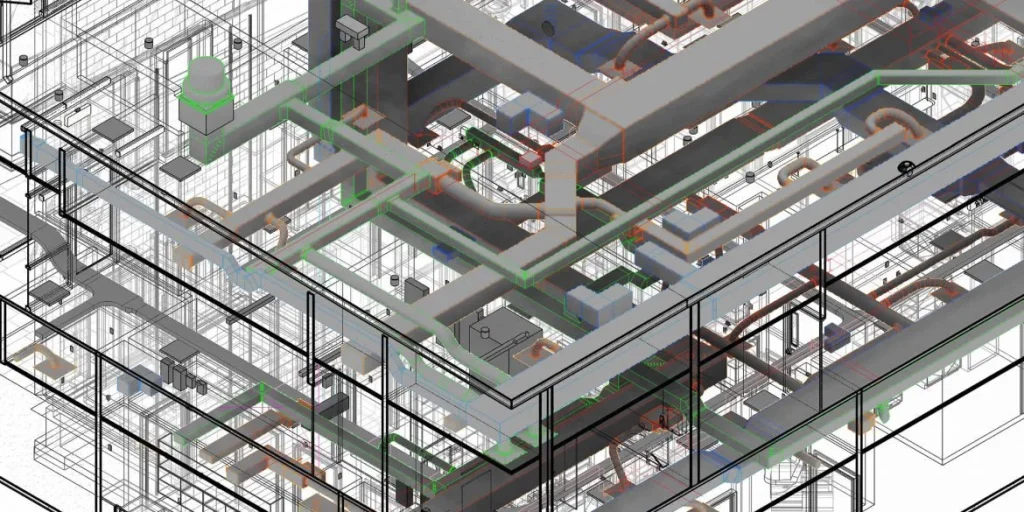
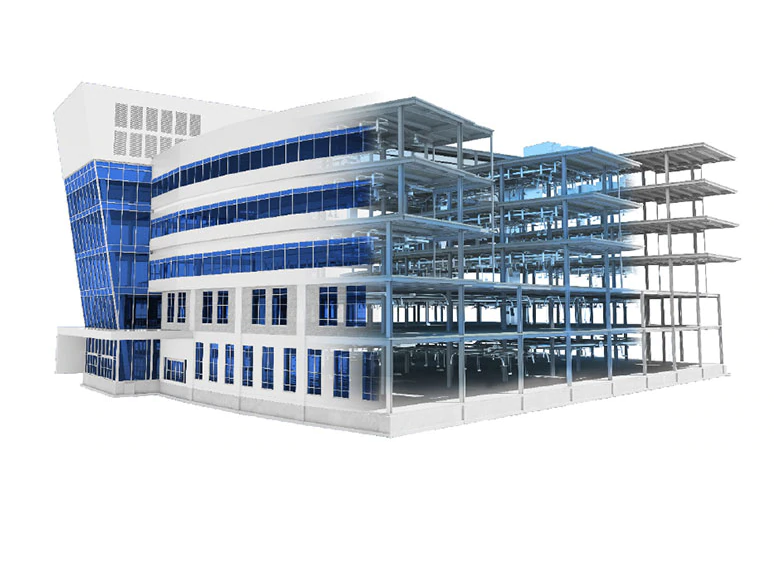
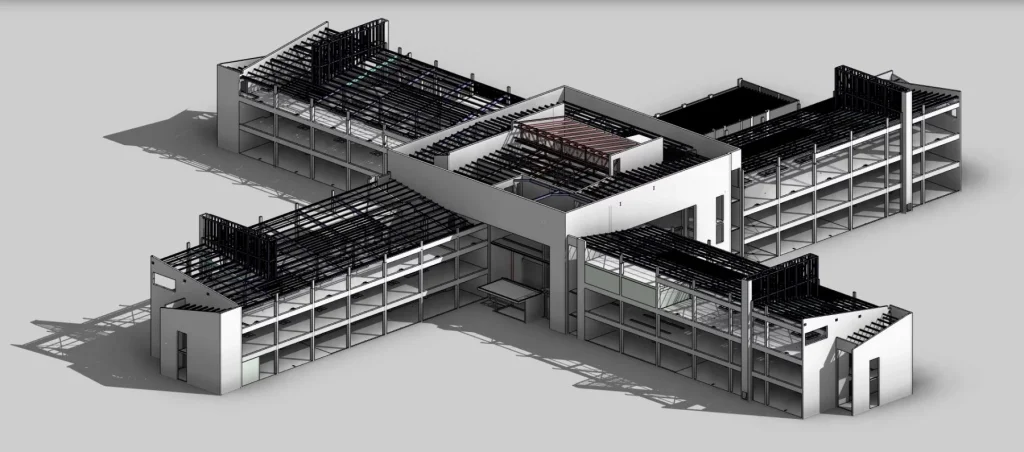
In the ever-evolving landscape of construction, technology continues to play a pivotal role in reshaping traditional methodologies. Building Information Modeling (BIM) has emerged as a transformative force, particularly in the field of structural engineering. This article explores the myriad benefits that Structural BIM services bring to the construction industry, ushering in a new era of efficiency, accuracy, and collaboration. Higher Visualization and Communication Structural BIM servicesĀ provide a three-dimensional representation of a building’s structure, offering stakeholders a clear and comprehensive visualization. This visual clarity facilitates effective communication among architects, engineers, contractors, and other project participants. The ability to view and understand the structural elements in a 3D environment minimizes misinterpretations and ensures that everyone is on the same page, fostering collaboration from the conceptual stage to construction. Improved Coordination and Clash Detection One of the primary advantages of Structural BIM service is the ability to detect clashes or conflicts in the design early in the process. This is especially crucial in structural engineering, where coordination with other building systems is intricate. BIM models allow for the integration of structural elements with MEP (Mechanical, Electrical, and Plumbing) systems, reducing the likelihood of clashes during construction. Early clash detection translates to fewer errors, reduced rework, and overall cost savings. Accuracy in Design and Analysis Structural BIM Solutions enable precise design and analysis of building structures. Engineers can model complex structural components with accuracy, considering factors such as loads, stresses, and material properties. This level of detail ensures that the structural design meets safety standards and performance requirements. Additionally, BIM facilitates the analysis of different design scenarios, allowing engineers to optimize structural efficiency and performance. Streamlined Construction Workflow The integration of Structural BIM services streamlines the entire construction workflow. From initial design and documentation to construction and facility management, BIM models serve as a central repository of information. This cohesive approach reduces redundancies, minimizes errors, and enhances overall project efficiency. The streamlined workflow contributes to timely project delivery and improved collaboration among project stakeholders. Cost and Time Savings Structural BIM Solutions contribute significantly to cost and time savings throughout the construction lifecycle. The ability to detect clashes early on minimizes the need for costly rework. Precise design and analysis reduce material wastage and construction delays. The efficient collaboration and coordination facilitated by BIM result in faster decision-making processes. Collectively, these factors contribute to a more cost-effective and time-efficient construction project. Sustainable Design Integration In an era where sustainability is a key consideration in construction, Structural Services play a crucial role in integrating sustainable design principles. BIM models allow engineers to assess the environmental impact of structural decisions, optimize energy performance, and explore eco-friendly material options. This integration of sustainability into the structural design process aligns with the growing emphasis on green and environmentally conscious construction practices. Lifecycle Management and Maintenance Structural BIM models serve as valuable assets beyond the construction phase. They contain comprehensive information about the structural elements, including specifications, materials, and maintenance requirements. This data becomes instrumental in the ongoing lifecycle management of the structure. Facility managers can use BIM models for effective maintenance planning, ensuring the long-term durability and performance of the building. Decision Support with Structural BIM services Structural Services provide a platform for thorough risk analysis and decision support. Engineers can simulate various scenarios, assess potential risks, and make informed decisions based on the analysis. This proactive approach to risk mitigation reduces uncertainties during construction, enhances safety, and contributes to the overall success of the project. Regulatory Compliance and Documentation Meeting regulatory compliance is a critical aspect of construction projects. Structural BIM services assist in ensuring that the structural design adheres to local building codes and standards. Additionally, BIM models serve as comprehensive documentation, providing a detailed record of the structural design and its compliance with regulations. This documentation is invaluable for audits, inspections, and future reference. Increased Stakeholder Confidence The use of Structural BIM service instills confidence among project stakeholders. Owners, investors, and regulatory authorities can rely on the accuracy and transparency offered by BIM models. The enhanced visualization, coordination, and documentation contribute to a higher level of trust in the project’s structural integrity and overall success. Conclusion The benefits of Structural BIM services in construction are multifaceted, ranging from enhanced visualization and coordination to cost savings and sustainable design integration.Ā ENGISOFT ENGINEERING — BIM Staffing & BIM ServicesĀ the construction industry continues to embrace technological advancements, Structural BIM stands as a cornerstone for efficient, accurate, and collaborative structural engineering.  
Read More
Bim Consulting Services

The Role of BIM Consulting Services in Construction

In the fast-paced world of construction, Building Information Modeling (BIM) has emerged as a transformative technology, revolutionizing the way projects are designed, constructed, and managed. At the forefront of this BIM revolution are BIM consulting services, which play a pivotal role in guiding and supporting stakeholders through the implementation and utilization of BIM technologies. In this comprehensive blog, we explore the multifaceted role of BIM consulting services in construction, from strategy development to project execution, highlighting their value in driving efficiency, collaboration, and innovation. Understanding BIM Consulting Services BIM services encompass a range of specialized expertise and support aimed at assisting stakeholders in adopting and leveraging BIM technologies effectively. These services may include BIM implementation planning, software selection and customization, staff training and development, project management support, and ongoing technical assistance. By partnering with experienced BIM consultants, organizations can navigate the complexities of BIM adoption and maximize the benefits of digital transformation in construction. Strategic Planning and Implementation One of the primary roles of BIM consulting services is to develop strategic plans for BIM implementation tailored to the unique needs and goals of each organization. This involves assessing current workflows, identifying opportunities for improvement, and defining clear objectives for BIM adoption. Consultants work closely with stakeholders to develop comprehensive implementation roadmaps, outlining key milestones, resource requirements, and timelines for deployment. By establishing a strategic foundation for BIM adoption, consulting services pave the way for successful integration and long-term success. Software Selection and Customization Choosing the right BIM software is crucial for ensuring seamless integration with existing workflows and maximizing the potential of BIM technologies. BIM services provide invaluable expertise in software selection, helping organizations evaluate different platforms based on their specific requirements and preferences. Consultants offer insights into the features, capabilities, and compatibility of various BIM software solutions, guiding stakeholders in making informed decisions that align with their objectives. Additionally, consulting services may assist with software customization and configuration to tailor the tools to meet the unique needs of each project or organization.   Training and Skill Development Effective utilization of BIM technologies requires a skilled workforce equipped with the knowledge and expertise to leverage these tools effectively. BIM services offer training and skill development programs designed to empower staff with the competencies needed to excel in a BIM-enabled environment. Training sessions may cover topics such as BIM fundamentals, software proficiency, collaborative workflows, and best practices for data management and visualization. By investing in staff training and development, organizations can foster a culture of innovation and proficiency in BIM adoption, ensuring that teams are equipped to maximize the benefits of digital transformation. Project Management Support Throughout the lifecycle of a construction project, BIM consulting services provide essential project management support to help stakeholders navigate challenges, mitigate risks, and optimize performance. Consultants offer guidance on project setup and configuration, data management and exchange protocols, clash detection and resolution, and quality assurance processes. They work closely with project teams to streamline workflows, enhance communication and collaboration, and ensure alignment with project objectives and timelines. By leveraging their expertise in project management and BIM methodologies, consulting services help organizations deliver projects more efficiently and effectively. Technical Assistance and Troubleshooting In addition to strategic planning and project support, BIM services offer ongoing technical assistance and troubleshooting to address any issues or challenges that may arise during the course of BIM implementation. Consultants serve as trusted advisors, providing expert guidance and problem-solving expertise to overcome obstacles and optimize performance. Whether it’s resolving software glitches, optimizing model performance, or addressing user training needs, consulting services are available to provide timely assistance and support, helping organizations maintain momentum and achieve their BIM objectives. Case Studies and Success Stories To illustrate the impact of BIM services in construction, consider sharing case studies and success stories of organizations that have benefited from their expertise. Highlighting real-world examples of successful BIM implementations, improved project outcomes, and quantifiable ROI can inspire and inform stakeholders as they embark on their own BIM journeys. Case studies may showcase a variety of projects across different sectors, highlighting the diverse applications and benefits of BIM technologies in construction. Conclusion BIM consulting services play a vital role in driving innovation, efficiency, and collaboration in construction through strategic planning, software selection, training, project management support, and technical assistance. ENGISOFT ENGINEERING – BIM Staffing & BIM Services By partnering with experienced BIM consultants, organizations can navigate the complexities of BIM adoption and unlock the full potential of digital transformation in construction. As the construction industry continues to evolve, the expertise and guidance provided by BIM services will remain essential for organizations seeking to thrive in a BIM-enabled future.

Read More
Architectural Engineering Consultants

The Role of Architectural Engineering Consultants in Modern Projects

In the contemporary landscape of construction and development, architectural consultants play a pivotal role in shaping the success and functionality of modern projects. These professionals, armed with a diverse skill set and specialized knowledge, contribute significantly to the planning, design, and execution of complex structures. Let’s delve into their multifaceted role and the impact they wield in today’s projects. Understanding Architectural Engineering Consultants Architectural engineering consultantsĀ are multidisciplinary experts who bridge the gap between architecture and engineering, merging creative design principles with technical expertise. Their comprehensive understanding of structural integrity, building systems, and innovative design concepts enables them to create efficient and aesthetically pleasing structures. Key Responsibilities and Contributions Integrated Design Approach Architectural engineering consultants adopt an integrated design approach, collaborating closely with architects, engineers, and stakeholders. They ensure that the architectural vision aligns seamlessly with engineering principles, fostering synergy among various aspects of the project. Technical Expertise Their expertise encompasses structural design, HVAC systems, building materials, sustainability, and energy efficiency. By leveraging advanced software and tools, they optimize designs for functionality, safety, and environmental impact. Innovation and Problem-Solving Consultants are at the forefront of innovation, constantly seeking novel solutions for modern challenges. Their problem-solving skills come into play when addressing complex architectural requirements while ensuring compliance with regulations and codes. Sustainability and Green Building Practices With a growing emphasis on sustainability, architectural consultants champion green building practices. They integrate environmentally friendly designs, renewable energy systems, and efficient materials, contributing to eco-friendly construction. Collaboration and Project Management Architectural consultants act as facilitators, fostering collaboration among diverse teams involved in a project. They manage communication channels, streamline workflows, and oversee project timelines and budgets. Their role in coordinating various disciplines ensures cohesive project execution. The Influence on Project Success The impact of architectural consultants on project success is profound. Their ability to harmonize architectural vision with engineering pragmatism ensures that the built environment meets both aesthetic and functional objectives. Their contributions enhance structural integrity, energy efficiency, occupant comfort, and overall project viability. Challenges and Evolving Trends In a rapidly evolving industry, architectural engineering consultants face challenges posed by technological advancements, changing regulations, and client demands. To adapt, they embrace digital tools, explore innovative materials, and stay updated with evolving building codes and sustainability standards. Technological Integration and Innovation Architectural engineering consultants are at the forefront of technological integration. They leverage Building Information Modeling (BIM), computational design tools, and simulation software to optimize designs and streamline project workflows. Embracing these technologies allows for accurate 3D modeling, clash detection, and performance simulations, resulting in more efficient and cost-effective designs. Furthermore, the adoption of augmented reality (AR) and virtual reality (VR) aids in visualizing designs, offering clients an immersive experience and facilitating informed decision-making throughout the design process. Sustainability and Environmental Considerations The commitment to sustainability is a defining trait of modern architectural engineering consultants. They prioritize environmentally conscious design principles, integrating renewable energy systems, passive design strategies, and efficient building materials. This dedication contributes to reducing the ecological footprint of buildings while enhancing energy efficiency and occupant comfort. Architectural engineering play a significant role in achieving green building certifications like LEED (Leadership in Energy and Environmental Design) or BREEAM (Building Research Establishment Environmental Assessment Method), demonstrating their commitment to sustainable design practices. Regulatory Compliance and Risk Mitigation Navigating through complex regulations and compliance standards is an integral part of the consultant’s role. They ensure that designs meet local building codes, zoning regulations, and safety standards. By staying updated with evolving regulations, they mitigate potential risks and liabilities, ensuring that projects adhere to legal requirements throughout the construction process. Client-Centric Approach and Effective Communication Successful projects hinge on effective communication and a client-centric approach. Architectural engineering excel in understanding client objectives, translating visions into feasible designs, and managing expectations. They engage in continuous dialogue with clients, ensuring that their aspirations align with practical and achievable design solutions. Continual Professional Development The evolving nature of the construction industry necessitates continual professional development among architectural engineering consultants. They engage in ongoing education, attend seminars, and pursue certifications to stay abreast of technological advancements, emerging trends, and best practices. This dedication to learning ensures their expertise remains cutting-edge and relevant. Global Impact and Cultural Sensitivity In a globalized world, architectural consultants often work on projects in diverse cultural settings. Their ability to adapt designs while respecting local cultures and traditions is crucial. Their sensitivity to regional aesthetics and functional requirements enables them to create designs that resonate with the local context while adhering to global design standards. Conclusion Architectural engineering consultants are indispensable assets in modern construction endeavors.Ā ENGISOFTĀ ENGINEERING — BIM Staffing & BIM ServicesĀ their holistic approach, technical acumen, and commitment to innovation drive the successful realization of architectural visions. As the industry continues to evolve, their role remains crucial in shaping sustainable, functional, and aesthetically pleasing built environments. In essence, the impact of architectural engineering extends far beyond the structures they design; it resonates in the efficiency, sustainability, and overall success of modern projects.  

Read More
Mep services

MEP Strategies for Success Essential Building System Components

A combination of technical proficiency, strategic planning, and commitment to fundamental principles are necessary for success in the complex field of Mechanical, Electrical, and Plumbing (MEP) engineering. It is critical for MEP professionals to comprehend and put these techniques into practice as they negotiate the complexity of building system engineering. This article explores essential principles that form the foundation for success in MEP engineering, offering insights into how these strategies contribute to the efficiency, sustainability, and overall excellence of building systems. Complete Coordination SuccessfulĀ MEP ServicesĀ begins with comprehensive coordination among the mechanical, electrical, and plumbing systems. The seamless integration of these systems is crucial for optimal performance, efficiency, and space utilization within a building. Coordination involves meticulous planning, detailed drawings, and open communication among all stakeholders. This principle ensures that the various components of MEP systems work harmoniously to meet the functional and aesthetic requirements of the structure. Energy Efficiency as a Core Objective Energy efficiency is no longer a luxury but a fundamental requirement in MEP engineering. Incorporating energy-efficient designs, technologies, and practices not only aligns with sustainability goals but also results in long-term cost savings for building owners. Successful MEP strategies prioritize energy modeling, system optimization, and the integration of renewable energy sources to create high-performing and environmentally conscious building systems. Sustainability Integration Building on energy efficiency, successful MEP engineering embraces sustainability in all aspects. This includes the use of eco-friendly materials, water conservation measures, and waste reduction strategies. Sustainable Mep Services not only contribute to environmental stewardship but also align with the growing demand for green building certifications. Integrating sustainability principles ensures that MEP systems are designed and operated with a holistic and environmentally responsible approach. Advanced Technology Adoption Staying abreast of technological advancements is a key principle for success in MEP engineering. The adoption of advanced technologies, such as Building Information Modeling (BIM), artificial intelligence, and smart building solutions, enhances the efficiency of design, coordination, and maintenance processes. Embracing cutting-edge tools and methodologies allows MEP professionals to deliver innovative solutions that meet the evolving needs of the construction industry. Risk Management and Contingency Planning Effective risk management is an integral aspect of MEP strategies for success. Identifying potential risks early in the project lifecycle and developing contingency plans help mitigate challenges that may arise during construction or operation. Whether addressing unforeseen design issues or adapting to changes in project scope, a proactive approach to risk management ensures that MEP engineering remains resilient in the face of uncertainties. Lifecycle Cost Considerations Successful MEP strategies account for the full lifecycle costs of building systems, not just the original construction spending. This means evaluating the MEP components’ long-term operational and maintenance costs. MEP specialists may make well-informed decisions that maximize the overall financial efficiency and sustainability of building systems over the course of their operational lives by taking lifecycle costs into account. Code Compliance and Regulatory Awareness Adhering to building codes and regulations is a non-negotiable principle in Mep Services. Successful professionals remain vigilant about changes in codes, standards, and regulations relevant to their projects. This commitment to compliance not only ensures the safety and legality of building systems but also reflects a dedication to upholding industry standards and best practices. Client Collaboration and Communication Effective collaboration with clients is a cornerstone of successful MEP engineering. Understanding the client’s needs, goals, and expectations is crucial for delivering solutions that align with their vision. Clear and transparent communication throughout the project, from conceptualization to completion, builds trust and ensures that the final MEP systems meet or exceed client expectations. Continuous Professional Development The field of Mep Services is dynamic, with new technologies and methodologies constantly emerging. Successful professionals recognize the importance of continuous learning and professional development. Staying informed about industry trends, attending relevant workshops and conferences, and pursuing certifications contribute to the ongoing refinement of skills and knowledge necessary for success in MEP engineering. Safety First Safety is a paramount principle in MEP engineering. Creating designs that prioritize the safety of construction workers, maintenance personnel, and building occupants is not just a legal obligation but a moral imperative. This includes implementing measures to prevent accidents during construction, ensuring safe operation and maintenance of MEP systems, and adhering to industry-specific safety standards. MEP Services Flexibility and Adaptability MEP Services places a high value on flexibility and adaptation, particularly in an industry where change is a continuous. Professionals that are successful are skilled in incorporating new technology, modifying to meet unforeseen problems, and responding to changing project requirements. MEP systems must be able to adapt quickly to change in order to be responsive to the changing demands of the construction site. Quality Assurance and Quality Control Success in MEP initiatives requires a steadfast dedication to quality assurance and control. MEP systems are made to satisfy the highest quality requirements through meticulous testing, inspections, and adherence to industry regulations. Strong quality assurance procedures are essential for preventing mistakes and flaws as well as extending the lifespan and dependability of construction systems. Conclusion The success of MEP engineering lies in a strategic blend of coordination, sustainability, technological prowess, and a commitment to quality. Adapting to industry shifts, prioritizing client collaboration, and upholding safety standards are pivotal. Embracing these principles ensures that ENGISOFT ENGINEERING – BIM Staffing & BIM ServicesĀ navigate complexities with finesse, delivering high-performing, efficient, and sustainable building systems.

Read More
Bim Consulting Services

The Future of Architecture BIM Consulting and Sustainable Design

In the ever-evolving landscape of architecture and construction, the integration of Building Information Modeling (BIM) consulting services has become increasingly pivotal, particularly concerning sustainable design practices. As concerns about climate change and environmental degradation continue to escalate, architects, engineers, and construction professionals are turning to innovative solutions to minimize the ecological footprint of buildings while maximizing their efficiency and performance. This article explores the intersection of BIM consulting and sustainable design, delving into the ways in which these two elements are shaping the future of architecture. The Role of BIM Consulting in Sustainable Design BIM Consulting Services plays a crucial role in facilitating sustainable design practices by providing architects and designers with powerful tools and methodologies to optimize building performance. Through the use of advanced modeling and simulation techniques, BIM enables professionals to analyze various aspects of a building’s design, such as energy consumption, daylighting, thermal comfort, and material selection, with a high degree of accuracy. By simulating different design scenarios and assessing their environmental impact, architects can make informed decisions that prioritize sustainability without compromising on functionality or aesthetics. Advantages of BIM consulting in sustainable design One of the key advantages of BIM consulting in sustainable design is its ability to foster interdisciplinary collaboration among architects, engineers, and other stakeholders involved in the design and construction process. By centralizing project data and facilitating real-time communication and coordination, BIM promotes a holistic approach to sustainability, where all aspects of a building’s performance are considered and optimized collectively. This integrated approach not only enhances the efficiency of the design process but also ensures that sustainability goals are effectively incorporated into the final built environment. BIM consulting enables architects and designers BIM Consulting Services enables architects and designers to explore innovative design strategies and technologies that can further enhance the sustainability of buildings. From passive design techniques, such as natural ventilation and daylight harvesting, to advanced building systems, such as solar panels and green roofs, BIM allows professionals to evaluate the feasibility and effectiveness of these strategies within the context of a specific project. By iteratively testing and refining design solutions, architects can push the boundaries of sustainable design and create buildings that are not only environmentally responsible but also aesthetically compelling and economically viable. Case Studies in BIM-Driven Sustainable Design To illustrate the impact of BIM Consulting Services on sustainable design, let’s examine a few notable case studies where BIM has been instrumental in the development of environmentally conscious buildings. The Edge, Amsterdam Designed by renowned architecture firm PLP Architecture, The Edge is widely regarded as one of the greenest office buildings in the world. BIM played a crucial role in the design and construction of The Edge, allowing the project team to optimize the building’s energy performance through advanced modeling and simulation. By integrating passive design strategies, such as natural ventilation and daylighting, with innovative technologies, such as smart sensors and energy-efficient systems, The Edge achieves remarkable levels of sustainability while providing a comfortable and productive work environment for its occupants. One Central Park, Sydney Located in the heart of Sydney, One Central Park is a groundbreaking mixed-use development that seamlessly blends residential, commercial, and retail spaces with lush greenery and sustainable design features. BIM consulting was integral to the success of One Central Park, enabling the project team to coordinate complex architectural elements, such as the building’s iconic cantilevered heliostat system, which reflects sunlight into the park below. Through rigorous analysis and optimization using BIM, One Central Park achieves high levels of energy efficiency and environmental performance, setting a new standard for urban sustainability. The Bullitt Center, Seattle As one of the world’s first commercial office buildings to achieve Living Building Challenge certification, The Bullitt Center exemplifies the potential of BIM-driven sustainable design. From the outset, BIM consulting played a central role in the project, allowing the design team to rigorously analyze and optimize every aspect of the building’s performance, from its passive solar design and rainwater harvesting system to its composting toilets and energy-efficient mechanical systems. By leveraging BIM to integrate sustainability into every phase of the design process, The Bullitt Center demonstrates how innovative design and technology can create buildings that not only tread lightly on the planet but also inspire and educate future generations. Conclusion As the demand for sustainable buildings continues to grow, BIM Consulting Services will play an increasingly vital role in shaping the future of architecture. ENGISOFT ENGINEERING – BIM Staffing & BIM Services By providing architects, engineers, and construction professionals with powerful tools and methodologies to optimize building performance and minimize environmental impact, BIM enables the creation of innovative and sustainable built environments that enhance the quality of life for occupants while preserving the planet for future generations. As we look ahead, it is clear that the integration of BIM consulting and sustainable design will not only be essential for meeting the challenges of climate change but also for fostering a more resilient, equitable, and sustainable built environment for all.

Read More

TECH CONFERENCE 2021 LONDON

Interdum iusto pulvinar consequuntur augu s est odit mi quosliquid sempero ipsum dolor sit amet, cons ectetur adipiscing elit orto ulum non mollis woiur pokju solti metus.

HOME LAB OPEN STUDIOS

Interdum iusto pulvinar consequuntur augu s est odit mi quosliquid sempero ipsum dolor sit amet, cons ectetur adipiscing elit orto ulum non mollis woiur pokju solti metus.

SOCIAL MEDIA

Subscribe To Our Newsletter

Scroll to Top

Nullam quis risus eget urna mollis ornare vel eu leo. Aenean lacinia bibendum nulla sedĀ 

Subscribe to get 15% discount