
BLOG

The only thing standing between you and your goal is the bullshit story you keep telling yourself as to why you can’t achieve it.
Bim advisory services

Future-Proofing Construction Innovations in BIM Advisory Services

In an era defined by rapid technological advancements and evolving industry standards, the construction sector is undergoing a profound transformation. At the forefront of this revolution are Building Information Modeling (BIM) advisory services, which play a pivotal role in future-proofing construction projects. In this blog, we explore the latest innovations in BIM advisory services and their impact on the construction industry’s trajectory towards a more efficient, sustainable, and collaborative future. The Evolution of BIM Advisory Services BIM advisory services have evolved from traditional consultancy to strategic partners driving innovation and efficiency in construction projects. By providing expert guidance on BIM implementation, process optimization, and technology integration, BIM advisors help clients navigate complex challenges and capitalize on emerging opportunities in the digital era. Digital Twin Technology Enhancing Project Visualization and Simulation One of the most significant innovations in BIM advisory services is the adoption of digital twin technology. By creating virtual replicas of physical assets, digital twins enable stakeholders to visualize and simulate construction projects in unprecedented detail. BIM advisors leverage digital twins to optimize design decisions, predict performance outcomes, and streamline project delivery, ultimately enhancing efficiency and reducing risks. AI and Machine Learning AI and machine learning algorithms are revolutionizing BIM advisory services by augmenting decision-making capabilities and predictive analytics. By analyzing vast amounts of data, AI-powered tools can identify patterns, detect anomalies, and optimize construction processes in real-time. BIM advisors leverage AI to improve project planning, resource allocation, and risk management, driving greater efficiency and cost-effectiveness. Cloud-Based Collaboration Platforms Cloud-based collaboration platforms have become indispensable tools for BIM advisory services, enabling seamless communication and coordination among geographically dispersed teams. By centralizing project data and fostering real-time collaboration, cloud platforms enhance efficiency, transparency, and accountability throughout the construction lifecycle. BIM advisors leverage cloud technology to facilitate remote work, streamline document management, and foster collaboration among project stakeholders. Block chain Technology Enhancing Data Security and Transparency: Blockchain technology is transforming BIM advisory services by enhancing data security, integrity, and transparency. By creating tamper-proof digital ledgers, blockchain ensures the immutability and traceability of project data, reducing the risk of fraud, errors, and disputes. BIM advisors leverage blockchain to securely manage project information, streamline transactions, and build trust among project stakeholders, ultimately enhancing project outcomes and stakeholder confidence. Parametric Design and Generative Algorithms Parametric design and generative algorithms are reshaping the design process in construction projects, enabling BIM advisors to explore and optimize design alternatives rapidly. By defining relationships and constraints within a digital model, parametric design tools generate iterative design solutions that meet project objectives and performance criteria. BIM advisors leverage parametric design to drive design innovation, optimize resource utilization, and achieve sustainable outcomes in construction projects. Augmented Reality (AR) and Virtual Reality (VR) Technologies AR and VR technologies are revolutionizing BIM advisory services by enhancing project visualization and stakeholder engagement. By immersing stakeholders in virtual environments, AR and VR enable them to experience construction projects in 3D, visualize design concepts, and provide feedback in real-time. BIM advisors leverage AR and VR to enhance client presentations, facilitate design reviews, and improve communication among project stakeholders, ultimately fostering greater collaboration and understanding.   Predictive Analytics and Performance Monitoring Predictive analytics and performance monitoring tools enable BIM advisors to optimize operational efficiency and lifecycle management in construction projects. By analyzing historical data and real-time performance metrics, predictive analytics algorithms forecast project outcomes, identify potential risks, and recommend proactive interventions. BIM advisors leverage predictive analytics to optimize asset performance, minimize downtime, and enhance sustainability throughout the project lifecycle. Integrated Project Delivery (IPD) and Lean Construction Principles Integrated Project Delivery (IPD) and Lean Construction principles are foundational concepts cutting-edge BIM advisory services, promoting collaboration, efficiency, and value creation in construction projects. By fostering early stakeholder engagement, shared risk, and collaborative decision-making, IPD and Lean Construction principles enable BIM advisors to optimize project delivery processes, minimize waste, and maximize project value for clients. Regenerative Design and Circular Economy Practices Driving Sustainable Innovation: Regenerative design and circular economy practices are driving sustainable innovation in BIM advisory services, promoting resource efficiency, waste reduction, and environmental stewardship in construction projects. By embracing principles of regenerative design and circular economy, BIM advisors prioritize the use of renewable materials, minimize energy consumption, and design for disassembly and reuse, ultimately creating buildings and infrastructure that contribute positively to the environment and society. Conclusion Innovations in BIM advisory services are reshaping the future of construction, driving efficiency, sustainability, and collaboration across the industry. ENGISOFT ENGINEERING – BIM Staffing & BIM Services by leveraging digital twin technology, AI, cloud-based collaboration platforms, blockchain, parametric design, AR/VR, predictive analytics, IPD, and regenerative design principles, BIM advisors are at the forefront of transforming construction practices and delivering value to clients and communities.

Read More
Architectural Bim Services

The Communication Power of Architectural BIM Services

In the dynamic world of architecture, effective communication lies at the heart of every successful project. From conveying design concepts to coordinating construction activities, seamless communication among stakeholders is essential for bringing architectural visions to life. In this blog, we delve into the transformative role of Building Information Modeling (BIM) services in enhancing communication within architectural projects, exploring how this technology fosters collaboration, improves decision-making, and drives project success. Understanding Architectural BIM Services Building Information Modeling (BIM) is a digital representation of physical and functional characteristics of a building. BIM services enable architects, engineers, contractors, and other project stakeholders to collaborate on a shared platform, accessing and managing project data throughout its lifecycle. By creating a comprehensive and accurate digital model, BIM services facilitate effective communication and coordination among multidisciplinary teams. Facilitating Collaboration One of the primary benefits of architectural BIM services is their ability to foster collaboration among project stakeholders. Through a centralized digital platform, architects, engineers, and contractors can collaborate in real-time, sharing design updates, resolving conflicts, and making informed decisions collectively. This collaborative approach promotes transparency, minimizes errors, and accelerates project delivery, ultimately enhancing project outcomes. Improving Design Visualization Architectural services empower stakeholders to visualize design concepts in a highly realistic and interactive manner. By creating 3D models enriched with detailed information, BIM enables architects to convey their design intent more effectively to clients and other project stakeholders. This enhanced visualization capability facilitates clearer communication, enabling stakeholders to provide feedback, make revisions, and align expectations more efficiently. Enhancing Coordination and Clash Detection Effective coordination among architectural, structural, and MEP (mechanical, electrical, and plumbing) systems is critical to the success of any building project. Architectural services facilitate clash detection by overlaying different building systems within the digital model, identifying potential conflicts early in the design phase. This proactive approach to coordination minimizes costly rework during construction, streamlines project schedules, and improves overall project efficiency. Streamlining Documentation and Reporting Architectural BIM services streamline the generation of construction documentation and project reports, further enhancing communication among project stakeholders. By automating the extraction of drawings, schedules, and quantities from the BIM model, architects can produce accurate and comprehensive documentation with minimal effort. This standardized approach to documentation ensures consistency, reduces errors, and enhances clarity in communication throughout the project lifecycle. Supporting Remote Collaboration In an increasingly globalized industry, architectural BIM services facilitate remote collaboration among geographically dispersed teams. Through cloud-based BIM platforms, stakeholders can access project data and collaborate in real-time from anywhere in the world. This capability enables seamless communication and coordination, allowing project teams to overcome geographical barriers and work together effectively across different time zones. Enabling Client Engagement and Feedback Architectural BIM services empower clients to actively engage in the design process, providing feedback and making informed decisions based on the digital model. By offering clients access to the BIM model through visualization tools and virtual reality (VR) technology, architects can solicit feedback, address concerns, and ensure alignment with client expectations. This interactive approach to client engagement fosters trust, enhances satisfaction, and ultimately leads to successful project outcomes. Challenges and Considerations While architectural BIM services offer significant advantages in enhancing communication, they also present certain challenges and considerations. These may include initial investment costs, staff training requirements, interoperability issues, and data security concerns. Addressing these challenges requires careful planning, ongoing support, and a commitment to continuous improvement in BIM implementation strategies. Conclusion Architectural BIM services have revolutionized communication within the architectural industry, offering a powerful toolkit for collaboration, coordination, and decision-making. ENGISOFT ENGINEERING – BIM Staffing & BIM Services by enabling stakeholders to work together more effectively, visualize design concepts more vividly, and streamline project documentation more efficiently, BIM technology enhances communication throughout the project lifecycle, ultimately driving improved project outcomes and client satisfaction. As the industry continues to embrace digital transformation, BIM services will remain indispensable tools for shaping the built environment of the future.

Read More
Engineering companies in Dubai

Managing Growth Engineering Companies Establishing in Dubai

Dubai’s meteoric rise as a global hub for innovation and development has attracted engineering companies seeking new opportunities and expansion. As these firms establish themselves in the city, they face a myriad of challenges and opportunities unique to this thriving metropolis. Dubai Irresistible Appeal to Engineering Firms Dubai’s strategic location, business-friendly environment, and ambitious infrastructure projects make it an alluring destination for engineering companies. The city’s commitment to innovation, coupled with its strategic initiatives like Expo 2020, positions it as a hotbed for engineering enterprises seeking to expand their horizons. Navigating Growth and Challenges While the potential for growth in Dubai is undeniable, engineering firms encounter multifaceted challenges as they establish their presence. These challenges range from regulatory compliance and market competitiveness to talent acquisition and adapting to local business practices. Understanding and adhering to local regulations while maintaining global competitiveness is critical. Moreover, establishing a robust network and forging partnerships within the local engineering ecosystem are paramount for sustained growth. Contributing to Dubai Vision Engineering companies in Dubai entering Dubai often align their objectives with the city’s vision for sustainable development and innovation. Many firms prioritize involvement in landmark projects, contributing cutting-edge expertise to the city’s iconic structures, smart infrastructure, and sustainable urban planning initiatives. Opportunities in Diversified Engineering Sectors Dubai’s dynamic landscape offers opportunities across various engineering sectors. From construction and infrastructure development to renewable energy, smart city solutions, and technological advancements, engineering firms have diverse avenues to explore and contribute to Dubai’s growth story. Talent Acquisition and Skills Development As engineering companies establish themselves, talent acquisition and skills development become focal points. Attracting skilled professionals locally and globally, as well as nurturing talent through collaboration with educational institutions and industry-specific training programs, is imperative to meet the demands of Dubai’s burgeoning engineering sector. Collaboration and Innovation Successful integration within Dubai’s engineering ecosystem often hinges on collaboration and innovation. Partnering with local entities, research institutions, and governmental bodies fosters a symbiotic relationship, enabling knowledge exchange, innovation, and project success. Future Prospects and Sustainability The future prospects for Engineering companies in Dubai are promising. As the city prioritizes sustainability, renewable energy, and smart infrastructure, engineering firms have a significant role in driving these initiatives forward. Innovations in construction methodologies, green technologies, and urban planning are expected to shape the industry’s trajectory. This excerpt provides a glimpse into the challenges, opportunities, and pivotal role of engineering companies in Dubai establishing themselves in Dubai’s dynamic landscape. Expanding on these points with specific examples, case studies, and industry insights will enrich the blog and offer a comprehensive view of the topic. Tapping into Dubai Infrastructure Development Dubai’s allure for engineering companies in Dubai lies not only in its ambitious skyline but also in its continuous commitment to infrastructure development. The city’s iconic projects, such as the Burj Khalifa, Dubai Metro, and Palm Jumeirah, stand as testaments to its engineering prowess. For new entrants, contributing to such groundbreaking ventures offers a chance to showcase expertise and become part of the city’s engineering legacy. Market Competitiveness and Differentiation Establishing a foothold in Dubai’s competitive market requires strategic positioning and differentiation. Engineering firms often differentiate themselves through specialized services, cutting-edge technologies, sustainable practices, or a niche focus on specific engineering sectors. Emphasizing unique value propositions allows these companies to carve their niche and stand out amid competition. Adapting to Local Business Dynamics Understanding and adapting to the local business culture and practices play a crucial role in the success of engineering firms in Dubai. Building relationships, networking, and cultivating an understanding of the local market dynamics are pivotal. Establishing credibility and trust within the local community fosters smoother business operations and partnerships. Strategic Alliances and Partnerships Collaborations and strategic partnerships with local entities and government bodies offer a gateway for engineering firms to explore new opportunities and gain insights into the intricacies of the Dubai market. Joint ventures and alliances not only facilitate access to resources and expertise but also enhance the firms’ credibility in the local market. Innovation and Technological Integration Dubai’s quest for innovation and smart city solutions aligns with the core strengths of engineering firms. Embracing technological advancements, such as artificial intelligence, sustainable practices, 3D printing, and Iot integration, provides avenues for these companies to contribute to Dubai’s vision while staying ahead in the competitive landscape. Sustainability as a Cornerstone Sustainability is not just a buzzword in Dubai; it’s a core principle driving development. Engineering firms entering the market recognize the significance of sustainable practices and green initiatives. Integrating sustainable engineering solutions into projects not only aligns with the city’s sustainability goals but also resonates with environmentally conscious clients. Compliance and Regulatory Adherence Navigating regulatory requirements and compliance is pivotal for engineering firms. Adhering to local regulations, certifications, and standards demonstrates commitment to quality and ethics. It builds trust among clients and stakeholders, facilitating smoother project execution and market penetration. Adaptability and Flexibility in Operations Engineering firms in Dubai must exhibit adaptability and flexibility in their operations. The ability to pivot strategies, adjust to market demands, and swiftly respond to changing conditions ensures resilience and sustainability, enabling firms to thrive in the ever-evolving business landscape of Dubai. This expansion provides a deeper insight into the strategies, challenges, and opportunities for engineering companies establishing themselves in Dubai. Further elaboration with industry-specific examples, success stories, and expert opinions will enrich the content, offering a comprehensive understanding of the subject matter. Conclusion The journey of engineering companies in Dubai establishing themselves in Dubai encapsulates a narrative of innovation, resilience, and adaptation within one of the world’s most dynamic business landscapes. As these firms navigate the complexities and seize the opportunities offered by the city, several key themes emerge. Entering Dubai’s engineering arena demands strategic planning and a unique value proposition. ENGISOFT ENGINEERING – BIM Staffing & BIM Services Firms that differentiate themselves through specialized services, technological innovation, sustainable practices, or niche expertise find themselves better positioned to thrive in the competitive landscape. Integration within Dubai’s engineering ecosystem often hinges on collaboration, partnerships, and a deep understanding of local

Read More
Mep Bim Services

The Impact of MEP BIM Services on Modern Construction

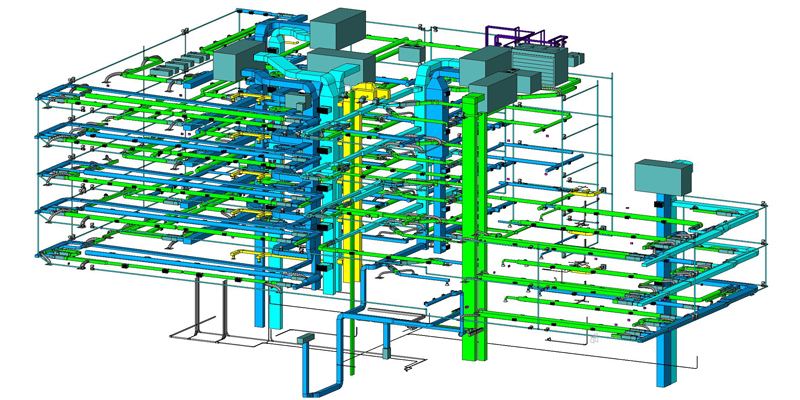
In the fast-paced world of construction, MEP (Mechanical, Electrical, and Plumbing) BIM (Building Information Modeling) services have emerged as game-changers, revolutionizing the way buildings are designed and constructed. This blog dives into the essential role played by MEP BIM services in modern construction, unraveling the intricacies and advantages that come with this innovative approach. Overcoming Challenges and Implementation Strategies Addressing Challenges in MEP BIM Adoption No transition is without challenges. This section acknowledges common hurdles faced during the adoption of MEP services, such as training requirements, software compatibility, and resistance to change. By understanding these challenges, industry professionals can devise effective strategies for a smoother integration process. The Importance of Training and Skill Development Explore the significance of training programs to equip professionals with the necessary skills for effective utilization of MEP services. Discuss how investing in education and skill development contributes to overcoming the learning curve associated with new technologies. Case Studies and Real-World Applications Showcasing Successful Implementations Highlight real-world examples of projects that have successfully implemented MEP services. These case studies demonstrate the tangible benefits, including improved collaboration, reduced errors, and enhanced project outcomes. By examining these success stories, readers gain insights into the practical applications of MEP BIM in diverse construction scenarios. Industry Perspectives and Future Outlook Insights from Industry Experts Include perspectives from industry experts who have experienced the impact of MEP BIM services firsthand. Gather their insights on the transformative power of digital modeling in construction and their predictions for the future trajectory of MEP BIM technologies. Anticipating Future Developments Conclude the blog by exploring anticipated developments in MEP services. Discuss how ongoing advancements in technology, artificial intelligence, and data analytics may shape the evolution of these services, paving the way for even more sophisticated and efficient construction processes. Understanding MEP Services Breaking down the Acronyms Let’s start by demystifying the acronyms. What exactly do MEP and BIM stand for, and how do they work together? This section provides a straightforward explanation to set the stage for the deeper exploration ahead. The Collaborative Nature of MEP BIM Explore how MEP services foster collaboration among different teams involved in construction projects. From architects to engineers, understand how this digital platform brings everyone together for a unified approach. Precision in Design and Planning Virtual Construction in Action Delve into the concept of virtual construction, where MEP BIM allows for a digital representation of the entire building process. This section explains how this virtual model aids in planning and designing with unparalleled accuracy. Streamlining Workflows with 3D Models Discuss the benefits of 3D modeling in the context of MEP BIM services. How does this visual representation enhance communication and decision-making, ensuring a smoother construction process? Efficiency in MEP Systems Optimizing Mechanical Systems Explore how MEP services optimize mechanical systems within a building. From heating to ventilation, understand the efficiency gains achieved through digital modeling and analysis. Enhancing Electrical Designs Examine the role of MEP BIM in electrical system design. How does it contribute to the placement of electrical components, ensuring safety and functionality in the final construction? Plumbing Solutions in a Digital Realm Dive into the world of plumbing systems and how MEP services offer solutions for optimal placement and integration. Discuss the advantages of digital planning in avoiding potential issues during construction. Cost and Time Savings Budgeting with Precision Discuss how MEP BIM services contribute to accurate cost estimation. By identifying potential clashes and issues early on, construction projects can avoid costly changes during the actual build. Timely Project Delivery Explore the role of MEP BIM in ensuring timely project completion. How does the digital representation assist in detecting and resolving conflicts that could otherwise lead to delays? Future Trends and Innovations The Evolving Landscape of MEP BIM Wrap up the blog by looking toward the future. Discuss emerging trends and innovations in MEP services that hold the promise of further transforming the construction industry. Conclusion In conclusion, MEP BIM services have become indispensable tools in the toolbox of modern construction. ENGISOFT ENGINEERING – BIM Staffing & BIM Services from fostering collaboration to optimizing systems and saving both time and money, the digital revolution in building information modeling is shaping the present and future of how we bring architectural visions to life. As construction continues to evolve, staying informed about the role of MEP services is key to staying at the forefront of industry advancements.

Read More

The benefits of structural Bim services in construction

In the ever-evolving landscape of construction, technology continues to play a pivotal role in reshaping traditional methodologies. Building Information Modeling (BIM) has emerged as a transformative force, particularly in the field of structural engineering. This article explores the myriad benefits that structural BIM services bring to the construction industry, ushering in a new era of efficiency, accuracy, and collaboration. Enhanced Visualization and Communication Structural BIM services provide a three-dimensional representation of a building’s structure, offering stakeholders a clear and comprehensive visualization. This visual clarity facilitates effective communication among architects, engineers, contractors, and other project participants. The ability to view and understand the structural elements in a 3D environment minimizes misinterpretations and ensures that everyone is on the same page, fostering collaboration from the conceptual stage to construction. Improved Coordination and Clash Detection One of the primary advantages of structural BIM is the ability to detect clashes or conflicts in the design early in the process. This is especially crucial in structural engineering, where coordination with other building systems is intricate. BIM models allow for the integration of structural elements with MEP (Mechanical, Electrical, and Plumbing) systems, reducing the likelihood of clashes during construction. Early clash detection translates to fewer errors, reduced rework, and overall cost savings. Accuracy in Design and Analysis Structural BIM solutions enable precise design and analysis of building structures. Engineers can model complex structural components with accuracy, considering factors such as loads, stresses, and material properties. This level of detail ensures that the structural design meets safety standards and performance requirements. Additionally, BIM facilitates the analysis of different design scenarios, allowing engineers to optimize structural efficiency and performance. Streamlined Construction Workflow The integration of structural BIM services streamlines the entire construction workflow. From initial design and documentation to construction and facility management, BIM models serve as a central repository of information. This cohesive approach reduces redundancies, minimizes errors, and enhances overall project efficiency. The streamlined workflow contributes to timely project delivery and improved collaboration among project stakeholders. Cost and Time Savings Structural BIM solutions contribute significantly to cost and time savings throughout the construction lifecycle. The ability to detect clashes early on minimizes the need for costly rework. Precise design and analysis reduce material waste and construction delays. The efficient collaboration and coordination facilitated by BIM result in faster decision-making processes. Collectively, these factors contribute to a more cost-effective and time-efficient construction project. Sustainable Design Integration In an era where sustainability is a key consideration in construction, structural services play a crucial role in integrating sustainable design principles. BIM models allow engineers to assess the environmental impact of structural decisions, optimize energy performance, and explore eco-friendly material options. This integration of sustainability into the structural design process aligns with the growing emphasis on green and environmentally conscious construction practices. Lifecycle Management and Maintenance Structural BIM models serve as valuable assets beyond the construction phase. They contain comprehensive information about the structural elements, including specifications, materials, and maintenance requirements. This data becomes instrumental in the ongoing lifecycle management of the structure. Facility managers can use BIM models for effective maintenance planning, ensuring the long-term durability and performance of the building. Decision Support with Structural BIM services Structural services provide a platform for thorough risk analysis and decision support. Engineers can simulate various scenarios, assess potential risks, and make informed decisions based on the analysis. This proactive approach to risk mitigation reduces uncertainties during construction, enhances safety, and contributes to the overall success of the project. Regulatory Compliance and Documentation Meeting regulatory compliance is a critical aspect of construction projects. Structural BIM services assist in ensuring that the structural design adheres to local building codes and standards. Additionally, BIM models serve as comprehensive documentation, providing a detailed record of the structural design and its compliance with regulations. This documentation is invaluable for audits, inspections, and future reference. Increased Stakeholder Confidence The use of Structural BIM service instills confidence among project stakeholders. Owners, investors, and regulatory authorities can rely on the accuracy and transparency offered by BIM models. The enhanced visualization, coordination, and documentation contribute to a higher level of trust in the project’s structural integrity and overall success. Conclusion The benefits of structural BIM services in construction are multifaceted, ranging from enhanced visualization and coordination to cost savings and sustainable design integration. ENGISOFT ENGINEERING — BIM Staffing & BIM Services As the construction industry continues to embrace technological advancements, structural BIM stands as a cornerstone for efficient, accurate, and collaborative structural engineering.  

Read More

TECH CONFERENCE 2021 LONDON

Interdum iusto pulvinar consequuntur augu s est odit mi quosliquid sempero ipsum dolor sit amet, cons ectetur adipiscing elit orto ulum non mollis woiur pokju solti metus.

HOME LAB OPEN STUDIOS

Interdum iusto pulvinar consequuntur augu s est odit mi quosliquid sempero ipsum dolor sit amet, cons ectetur adipiscing elit orto ulum non mollis woiur pokju solti metus.

SOCIAL MEDIA

Subscribe To Our Newsletter

Scroll to Top

Nullam quis risus eget urna mollis ornare vel eu leo. Aenean lacinia bibendum nulla sed 

Subscribe to get 15% discount