BLOG

The only thing standing between you and your goal is the bullshit story you keep telling yourself as to why you can’t achieve it.

Architectural engineering and consulting services performance

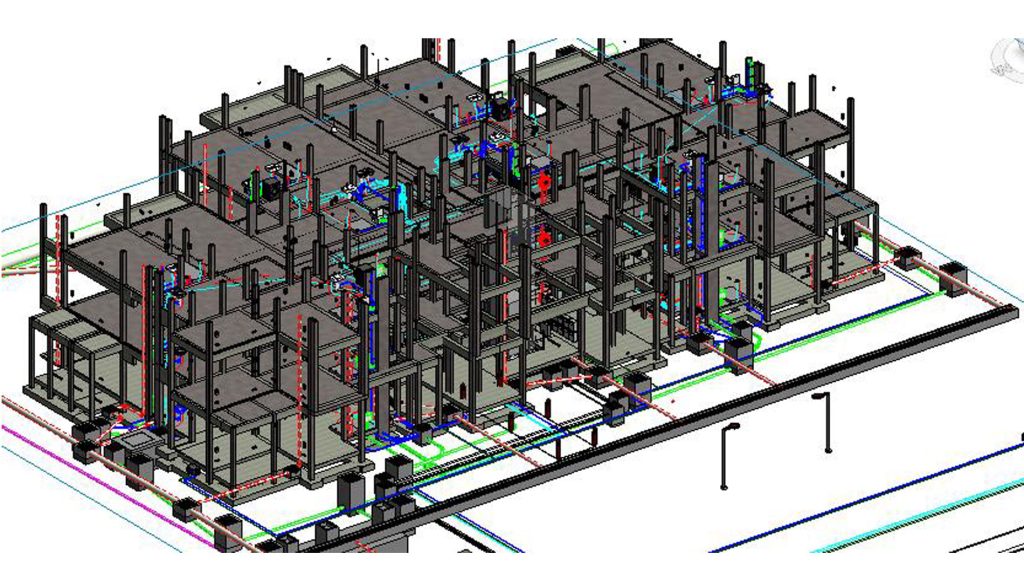
In the dynamic world of architecture and engineering, the pursuit of excellence is a multifaceted endeavor. It’s not just about constructing buildings; it’s a blend of art, science, and strategic consultation that shapes our environment. In this blog, we delve into the nuanced interplay of performance within architectural engineering consultant services. Evolution of Architectural and Engineering Performance Architecture and engineering have evolved hand-in-hand, continuously pushing the boundaries of design and functionality. From the awe-inspiring wonders of ancient civilizations to the sleek, sustainable structures of today, the evolution is a testament to human innovation. Performance in architecture transcends aesthetics. It’s about creating spaces that harmonize with their surroundings while optimizing energy efficiency and structural integrity. Engineering, on the other hand, delves into the technical aspects, ensuring that designs are not only visionary but also feasible, safe, and durable. The Role of Consulting Services Consulting services act as the bridge between visionary design and practical implementation. They encompass a diverse range of expertise, from project management to sustainability, offering insights that blend creativity with feasibility. In the architectural engineering consultant play a pivotal role in conceptualizing and refining designs, often bringing forth innovative solutions that optimize space, function, and sustainability. Engineering consultants, on the other hand, ensure that these visions are practically executable, navigating complexities in structural design, materials, and technology. Performance Metrics in Architecture and Engineering Performance metrics in this realm are multifaceted. In architecture, performance often involves aesthetic appeal, user experience, sustainability, and adaptability. From LEED certification to energy-efficient designs, buildings are increasingly evaluated based on their environmental impact and ability to support occupants’ well-being. In engineering, performance metrics are deeply rooted in precision and functionality. Advanced software and technology aid engineers in simulating structural behavior, optimizing designs for safety, durability, and cost-effectiveness. Embracing Innovation and Technology The landscape of architecture and engineering is continually reshaped by technological advancements. From Building Information Modeling (BIM) to parametric design tools, technology catalyzes innovation. It allows architects and engineers to collaborate seamlessly, facilitating more efficient workflows and better-informed decisions. Balancing Creativity and Practicality One of the inherent challenges in this field is striking a balance between creativity and practicality. Architects often envision groundbreaking designs, while engineers navigate the complexities of bringing these visions to life. Consultants act as mediators, ensuring that creativity aligns with real-world feasibility. Holistic Integration and Collaboration The most successful projects often stem from seamless collaboration between architects, engineers, and consultants. This integration of expertise from various domains fosters innovation and ensures that projects are conceived and executed with a holistic perspective. Architects bring forth the visionary concepts, imagining spaces that inspire and uplift. Engineers provide the technical prowess, ensuring structural integrity and functionality. Consultants, with their specialized knowledge, guide the project towards efficiency, sustainability, and compliance with regulations. Addressing Challenges through Adaptive Solutions In the ever-evolving landscape of construction and design, challenges are inevitable. Whether it’s budget constraints, environmental concerns, or regulatory changes, these challenges demand adaptive solutions. Consulting services, with their diverse skill sets and experiences, offer invaluable insights to navigate these hurdles. They analyze risks, propose alternatives, and devise strategies to overcome obstacles without compromising the essence of the design or the structural integrity. Client-Centric Approaches Client satisfaction stands at the core of architectural engineering consultant services. Understanding and aligning with the client’s vision, needs, and objectives is paramount. Consultants act as facilitators, translating these aspirations into feasible plans and ensuring that the final product exceeds expectations. Embracing Cultural and Social Dynamics Architecture and engineering don’t exist in isolation; they interact with cultural, social, and economic contexts. Consultants factor in these dynamics, incorporating cultural influences, societal needs, and economic viability into the project’s framework. This inclusive approach results in designs that resonate with the community they serve. Continuous Learning and Adaptation The pursuit of excellence in this field is a continuous journey. Architects, engineers, and consultants engage in ongoing learning, staying abreast of the latest trends, technologies, and sustainable practices. This dedication to learning ensures that their expertise remains cutting-edge, enabling them to offer innovative and future-ready solutions. Ethical and Responsible Practices Ethics and responsibility form the cornerstone of architectural engineering consultant services. Upholding ethical standards, adhering to safety regulations, and advocating for sustainable practices are fundamental. Consultants play a pivotal role in guiding projects to align with these ethical principles while optimizing performance. Conclusion The synergy of performance in architectural engineering consultant services is a tapestry woven from creativity, technology, sustainability, and practicality. ENGISOFT ENGINEERING — BIM Staffing & BIM Services It’s a realm where each element complements the other, shaping our world while embracing the challenges and opportunities. As we look ahead, the convergence of these disciplines will continue to define the future of our built environment. Augmented reality, artificial intelligence, and sustainable practices will drive innovation. Consulting services will evolve to become more integral, providing holistic solutions that integrate diverse perspectives and expertise  
Read More
Architectural engineering consultants

Architectural Consultants Crafting the Future of Structures

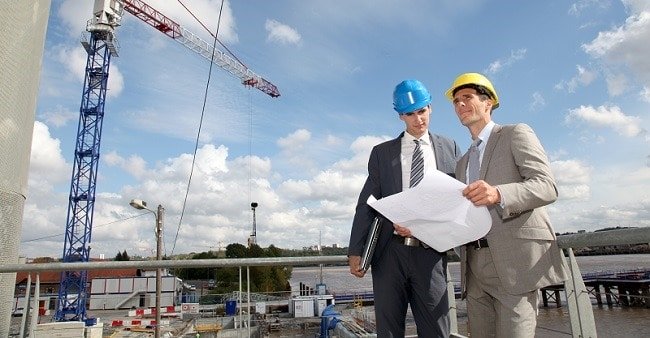
In the dynamic intersection of creativity and precision, architects and engineers join forces to shape the structures that define our present and future landscapes. This blog explores the symbiotic relationship between these two professions, delving into the collaborative process, innovative approaches, and the collective vision they bring to creating the structures that stand as testaments to human ingenuity. The Collaborative Dance Architects and Engineers as Creative Partners At the heart of successful Architectural engineering consultants projects lies the collaboration between architects and engineers. This partnership involves a continuous exchange of ideas, where architects bring creative concepts to the table, and engineers translate these visions into tangible, structurally sound designs. This collaborative dance ensures that aesthetics are not compromised by technical limitations and vice versa. Vision to Blueprint the Architect’s Role in Conceptualization Architects serve as the visionaries, envisioning spaces that captivate, inspire, and serve a purpose. From conceptual sketches to detailed blueprints, architects are responsible for translating abstract ideas into tangible plans. Their emphasis on aesthetics, functionality, and user experience lays the groundwork for the structural development led by engineers. Engineering Precision the Structural Backbone of Architectural Dreams Engineers take the architect’s vision and embark on a journey of structural precision. They navigate the complexities of physics, materials, and environmental considerations to ensure that the envisioned structures can stand with stability and resilience. The engineering phase involves rigorous analysis, calculations, and the selection of materials that align with both design aesthetics and structural integrity. Sustainability as a Driving Force a Shared Goal In the contemporary architectural landscape, sustainability is a shared goal that architects and engineers work together to achieve. Architects integrate eco-friendly design principles, while engineers devise innovative solutions for energy efficiency, waste reduction, and the use of sustainable materials. The collaboration between the two professions is essential in creating structures that not only stand the test of time but also contribute positively to the environment. The Impact of Technology Transforming the Design-Engineering Dynamic Advancements in technology have transformed the landscape of Architectural engineering consultants collaboration. Building Information Modeling (BIM), virtual reality, and 3D modeling tools have revolutionized the way architects and engineers work together. These technologies facilitate real-time collaboration, enabling both professions to visualize, analyze, and modify designs in a digital space before they are brought to life. Case Studies in Collaboration Iconic Structures Birthed from Harmony Examining iconic structures reveals the profound impact of collaborative efforts between architects and engineers. From the Sydney Opera House to the Burj Khalifa, these structures showcase the seamless integration of architectural aesthetics and engineering ingenuity. Case studies highlight the importance of effective communication, shared vision, and mutual respect in the creation of groundbreaking architectural marvels. The Intersection of Form and Function Balancing Aesthetics and Practicality The synergy between architects and engineers is most evident in the delicate balance between form and function. Architects strive to create visually stunning designs that evoke emotions and make a statement. Engineers, in turn, ensure that these designs are not only visually appealing but also practical, safe, and compliant with building codes. The intersection of form and function is where architectural dreams materialize into living spaces. Human-Centric Design Prioritizing User Experience A key focus in contemporary Architectural engineering consultants is human-centric design, where the needs and experiences of occupants take center stage. Architects bring an understanding of spatial aesthetics and user interactions, while engineers translate these considerations into structural elements that enhance comfort, accessibility, and overall well-being within the built environment. Urban Planning and Development Architects and Engineers Shaping Cities Beyond individual structures, architects and engineers play pivotal roles in urban planning and development. They collaborate to design cityscapes that are not only visually appealing but also sustainable, resilient, and conducive to the diverse needs of a growing population. From efficient transportation systems to green spaces, the collaborative efforts of architects and engineers shape the very fabric of our cities. The Future Unveiled Emerging Trends in Architectural and Engineering Collaboration As we look to the future, emerging trends in architectural and engineering collaboration point towards even greater integration. Concepts like generative design, where algorithms inform design choices, and the utilization of artificial intelligence in structural analysis are becoming integral to the creative process. The synergy between architects and engineers continues to evolve, promising a future where structures are not only functional and aesthetically pleasing but also responsive to the evolving needs of society. Conclusion In the realm of Architectural engineering consultants, the collaboration between these two professions is an indispensable force driving innovation, sustainability, and the creation of structures that define our world. ENGISOFT ENGINEERING – BIM Staffing & BIM Services Architects bring dreams to life, envisioning spaces that inspire, while engineers ensure the practical realization of these dreams with precision and structural integrity. Together, they stand at the forefront of building the structures of the future – structures that not only reflect human creativity but also serve as lasting contributions to the evolving tapestry of our built environment.

Read More
Bim consulting services

The Value of Architectural Engineering in Tall Buildings

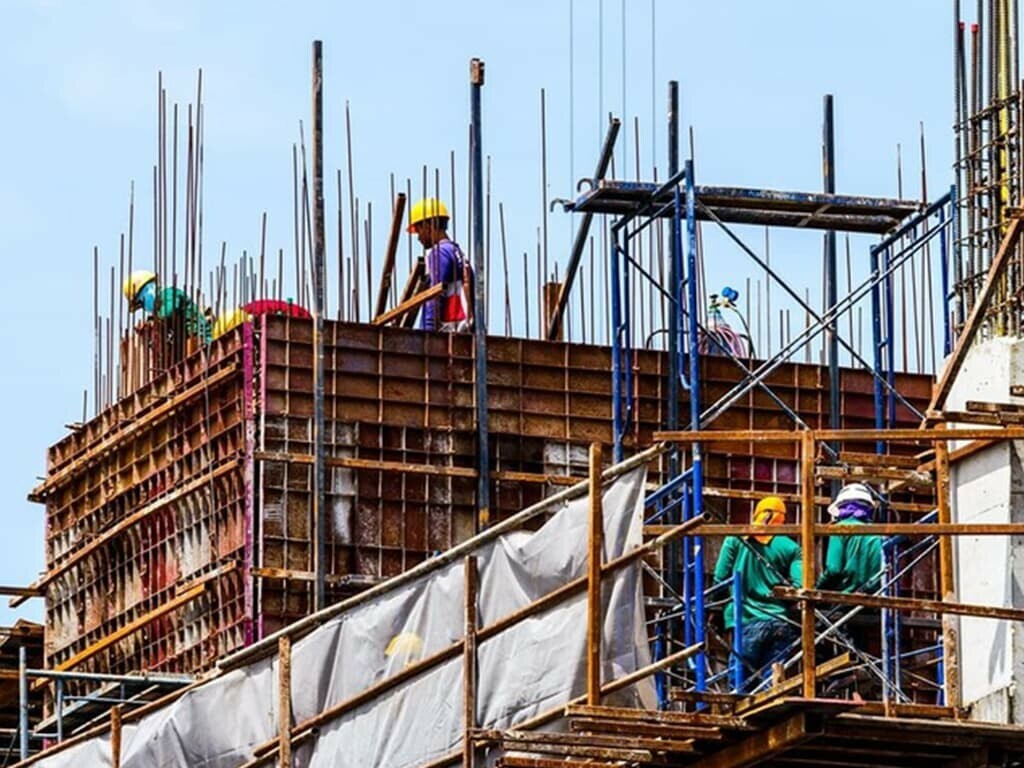
In the dynamic landscape of modern urban development, high-rise projects have become iconic symbols of progress and innovation. Behind the towering facades and intricate designs lie the complexities of architectural engineering, a discipline that plays a pivotal role in ensuring the structural integrity, functionality, and sustainability of these skyscrapers. This blog explores the profound importance of Architectural engineering consultants in high-rise projects, shedding light on the intricate balance between design aspirations and engineering precision. Defining Architectural Engineering Merging Art and Science Architectural engineering is a multifaceted discipline that merges the principles of architecture and engineering. It involves the application of engineering principles to the design and construction of buildings, with a particular emphasis on structural integrity, building systems, and environmental considerations. In high-rise projects, where every aspect is magnified in scale and complexity, the role of architectural engineering becomes even more critical. Structural Integrity the Backbone of High-Rise Buildings High-rise buildings are engineering marvels that defy gravity, and their success hinges on structural integrity. Architectural engineers meticulously analyze and design the framework that supports the entire structure, considering factors such as wind loads, seismic forces, and gravitational stresses. The choice of materials and construction techniques is a delicate balance between strength, flexibility, and weight, ensuring that the building can withstand both static and dynamic forces. Systems Integration and Coordination beyond the Ground Floor Architectural engineering consultants extends beyond the visible elements of a building. It encompasses the integration of complex systems that ensure the functionality and efficiency of high-rise structures. This includes HVAC (Heating, Ventilation, and Air Conditioning), electrical, plumbing, fire protection, and other building systems. Coordination among these systems is crucial to maintaining occupant comfort, safety, and operational efficiency throughout the entire building, from the ground floor to its towering heights. Environmental Considerations Sustainability in the Sky As sustainability becomes a focal point in contemporary construction, architectural engineering plays a vital role in implementing eco-friendly practices in high-rise projects. This involves optimizing energy efficiency, incorporating renewable energy sources, and designing systems that reduce the environmental impact of the building. The goal is to create high-rise structures that not only stand tall but also stand as responsible contributors to a sustainable future. Wind Engineering Battling the Forces of Nature In the realm of high-rise projects, wind becomes a significant force that can impact both the structural stability and occupant comfort. Architectural engineers employ wind tunnel testing, computational fluid dynamics, and other advanced techniques to analyze and mitigate the effects of wind on tall structures. This ensures that high-rise buildings are not only aesthetically pleasing but also resilient against the forces of nature. Safety and Code Compliance Protecting Inhabitants and Investments High-rise buildings must adhere to stringent safety codes and regulations. Architectural engineers are responsible for designing structures that meet or exceed these standards, ensuring the safety of occupants and the longevity of the building. This includes considerations for fire safety, emergency evacuation plans, seismic resilience, and compliance with local building codes. The importance of these factors cannot be overstated, especially in densely populated urban environments. Advanced Materials and Technologies Pushing the Boundaries Architectural engineering in high-rise projects involves staying at the forefront of material science and construction technologies. Engineers explore advanced materials that offer higher strength-to-weight ratios, durability, and innovative aesthetic possibilities. Additionally, cutting-edge construction methods, such as prefabrication and modular construction, are employed to streamline the building process and enhance overall project efficiency. Aesthetic Considerations Marrying Form and Function While structural integrity and functionality are paramount, architectural engineering also plays a crucial role in realizing the aesthetic vision of high-rise projects. Engineers collaborate closely with architects to ensure that the structural elements enhance rather than hinder the overall design. This delicate balance between form and function is a testament to the interdisciplinary nature of architectural engineering. Technological Innovations the Role of Digital Twins In the era of digital transformation, architectural engineering is leveraging technological innovations such as digital twins. Digital twins are virtual replicas of physical buildings that enable engineers to simulate and analyze various scenarios. This technology allows for real-time monitoring, predictive maintenance, and performance optimization, offering unprecedented insights into the behavior of high-rise structures throughout their lifecycle. Project Management and Collaboration Orchestrating Success High-rise projects involve intricate coordination among diverse teams, including architects, structural engineers, MEP engineers, contractors, and project managers. Architectural engineering serves as the linchpin that unites these professionals, ensuring that the design intent is faithfully translated into a structurally sound and functional reality. Effective project management and collaboration are essential for navigating the complexities inherent in the construction of tall structures. Conclusion In conclusion, the importance of Architectural engineering consultants in high-rise projects is immeasurable. ENGISOFT ENGINEERING – BIM Staffing & BIM Services as cities around the world continue to reach skyward, architectural engineers are tasked with the responsibility of realizing the aspirations of designers while addressing the unique challenges posed by height, scale, and complexity. From the meticulous analysis of structural elements to the integration of sustainable systems, architectural engineering is the silent force that ensures high-rise buildings not only touch the sky but also stand as testaments to human ingenuity, resilience, and the harmonious marriage of art and science.  

Read More

Architectural Engineering Consultants the Art of Structure

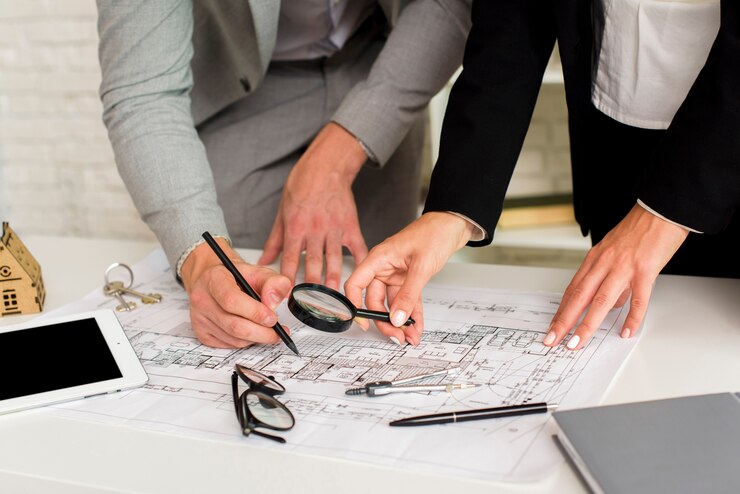
In the world of architecture, the fusion of artistry and engineering prowess culminates in structures that redefine skylines and shape the way we experience space. Architectural engineering consultants stand at the forefront, weaving together creativity, technical expertise, and innovation to create buildings that are not just functional but also awe-inspiring works of art. Merging Artistry with Engineering Precision Architectural consultants are the alchemists behind the seamless integration of art and science in construction. They craft blueprints that transcend mere functionality, envisioning structures that evoke emotions and leave lasting impressions. Their designs harmonize aesthetics with structural integrity, turning visions into tangible realities. The Collaborative Canvas Working with Architects and Engineers Consultants collaborate closely with architects and engineers, amalgamating diverse skill sets to bring forth visionary designs. They bridge the gap between architectural imagination and engineering feasibility, ensuring that artistic concepts are translated into buildable structures without compromising safety or functionality. Innovative Design Principles Balancing Form and Function At the core of architectural engineering consultancy lies a commitment to innovation. Consultants employ cutting-edge design principles, leveraging technologies like Building Information Modeling (BIM) and parametric design to explore limitless possibilities. They balance intricate details with practicality, creating designs that resonate both visually and functionally. Structural Ingenuity Engineering Marvels The art of structure extends beyond aesthetics; it encompasses the strength and stability of buildings. Consultants navigate complexities, considering factors like load-bearing capacities, material selection, and environmental impact to craft resilient structures capable of withstanding time and elements. Sustainability by Design Creating for the Future In the era of environmental consciousness, architectural engineering consultants champion sustainability. They integrate green building principles into designs, utilizing renewable materials, optimizing energy efficiency, and implementing eco-friendly practices to reduce environmental footprints and promote a more sustainable future. Technological Advancements Tools of the Trade Embracing technological innovations, consultants leverage advanced tools and software to refine their craft. From computational design algorithms to 3D modeling and virtual reality, these tools empower consultants to visualize, analyze, and refine designs with unprecedented precision and efficiency. Human-Centric Approach Spaces that Inspire Beyond structural prowess, consultants prioritize creating spaces that resonate with human experiences. Biophilic designs, natural light optimization, and ergonomic considerations are integrated to foster environments that enhance well-being, productivity, and connectivity with surroundings. Cultural Context and Global Influence Architectural engineering consultants navigate diverse cultural landscapes. They assimilate local context, cultural nuances, and regional influences into their designs, creating structures that reflect and contribute to the identity of communities while embracing global architectural trends. The Legacy of Architectural Consultants The impact of these consultants extends far beyond individual projects; it shapes the landscapes of cities and communities. Their legacy lies in the enduring structures they create, leaving behind testaments to innovation, beauty, and functionality for generations to admire. Innovative Design and Iconic Projects Architectural engineering have left an indelible mark on the architectural landscape through their pioneering designs and contributions to iconic projects worldwide. From towering skyscrapers that pierce the skyline to avant-garde museums that captivate with their unique shapes, these consultants have been instrumental in bringing visionary designs to life. They challenge conventions and push boundaries, creating structures that not only serve practical purposes but also become landmarks synonymous with innovation and architectural brilliance. Projects like the Burj Khalifa in Dubai, the Guggenheim Museum in Bilbao, and the Sydney Opera House stand as testament to their ability to marry artistry and engineering. Sustainable Solutions and Green Initiatives In an era increasingly conscious of environmental impact, architectural engineering play a pivotal role in promoting sustainable design practices. Their focus on eco-friendly materials, energy-efficient systems, and sustainable construction methods aims to reduce carbon footprints and create buildings that coexist harmoniously with their surroundings. Consultants advocate for green building certifications such as LEED (Leadership in Energy and Environmental Design) and incorporate passive design strategies to minimize energy consumption. They champion designs that harness natural elements like sunlight, wind, and rain, promoting a symbiotic relationship between structures and the environment. Adaptability and Resilience The ever-evolving nature of architectural engineering demands adaptability and resilience from consultants. They navigate through dynamic challenges, including climate change, urbanization, and technological advancements. Rising to the occasion, they craft designs that are not only aesthetically pleasing but also responsive to changing needs and conditions. Consultants integrate resilience measures into their designs, envisioning structures capable of withstanding environmental stresses, natural disasters, and societal shifts. Their focus on flexibility and adaptability ensures that buildings remain functional and relevant across diverse contexts and timeframes. The Future of Architectural Engineering As architectural engineering continues to evolve, fueled by technological advancements and sustainability imperatives, consultants remain at the forefront of reshaping the built environment. Embracing innovations in materials, construction techniques, and digital tools, they envision a future where structures seamlessly integrate into the natural landscape while pushing the boundaries of design and functionality. Conclusion Architectural engineering consultants are the artisans behind the symphony of steel, glass, and concrete that defines our built environment.ENGISOFT ENGINEERING – BIM Staffing & BIM Services their artistry and technical acumen converge to sculpt structures that transcend mere buildings, becoming icons that narrate stories of innovation, culture, and human aspirations. As architectural engineering continues to evolve, driven by creativity, technology, and sustainability imperatives, these consultants remain at the vanguard—crafting tomorrow’s skylines and shaping the way we experience the world.

Read More
Architectural engineering consultants

Architectural engineering and consulting services performance

In the dynamic world of architecture and engineering, the pursuit of excellence is a multifaceted endeavor. It’s not just about constructing buildings; it’s a blend of art, science, and strategic consultation that shapes our environment. In this blog, we delve into the nuanced interplay of performance within architectural engineering consultant services. Evolution of Architectural and Engineering Performance Architecture and engineering have evolved hand-in-hand, continuously pushing the boundaries of design and functionality. From the awe-inspiring wonders of ancient civilizations to the sleek, sustainable structures of today, the evolution is a testament to human innovation. Performance in architecture transcends aesthetics. It’s about creating spaces that harmonize with their surroundings while optimizing energy efficiency and structural integrity. Engineering, on the other hand, delves into the technical aspects, ensuring that designs are not only visionary but also feasible, safe, and durable. The Role of Consulting Services Consulting services act as the bridge between visionary design and practical implementation. They encompass a diverse range of expertise, from project management to sustainability, offering insights that blend creativity with feasibility. In the architectural engineering consultant play a pivotal role in conceptualizing and refining designs, often bringing forth innovative solutions that optimize space, function, and sustainability. Engineering consultants, on the other hand, ensure that these visions are practically executable, navigating complexities in structural design, materials, and technology. Performance Metrics in Architecture and Engineering Performance metrics in this realm are multifaceted. In architecture, performance often involves aesthetic appeal, user experience, sustainability, and adaptability. From LEED certification to energy-efficient designs, buildings are increasingly evaluated based on their environmental impact and ability to support occupants’ well-being. In engineering, performance metrics are deeply rooted in precision and functionality. Advanced software and technology aid engineers in simulating structural behavior, optimizing designs for safety, durability, and cost-effectiveness. Embracing Innovation and Technology The landscape of architecture and engineering is continually reshaped by technological advancements. From Building Information Modeling (BIM) to parametric design tools, technology catalyzes innovation. It allows architects and engineers to collaborate seamlessly, facilitating more efficient workflows and better-informed decisions. Balancing Creativity and Practicality One of the inherent challenges in this field is striking a balance between creativity and practicality. Architects often envision groundbreaking designs, while engineers navigate the complexities of bringing these visions to life. Consultants act as mediators, ensuring that creativity aligns with real-world feasibility. Holistic Integration and Collaboration The most successful projects often stem from seamless collaboration between architects, engineers, and consultants. This integration of expertise from various domains fosters innovation and ensures that projects are conceived and executed with a holistic perspective. Architects bring forth the visionary concepts, imagining spaces that inspire and uplift. Engineers provide the technical prowess, ensuring structural integrity and functionality. Consultants, with their specialized knowledge, guide the project towards efficiency, sustainability, and compliance with regulations. Addressing Challenges through Adaptive Solutions In the ever-evolving landscape of construction and design, challenges are inevitable. Whether it’s budget constraints, environmental concerns, or regulatory changes, these challenges demand adaptive solutions.Consulting services, with their diverse skill sets and experiences, offer invaluable insights to navigate these hurdles. They analyze risks, propose alternatives, and devise strategies to overcome obstacles without compromising the essence of the design or the structural integrity. Client-Centric Approaches Client satisfaction stands at the core of architectural engineering consultant services. Understanding and aligning with the client’s vision, needs, and objectives is paramount. Consultants act as facilitators, translating these aspirations into feasible plans and ensuring that the final product exceeds expectations. Embracing Cultural and Social Dynamics Architecture and engineering don’t exist in isolation; they interact with cultural, social, and economic contexts. Consultants factor in these dynamics, incorporating cultural influences, societal needs, and economic viability into the project’s framework. This inclusive approach results in designs that resonate with the community they serve. Continuous Learning and Adaptation The pursuit of excellence in this field is a continuous journey. Architects, engineers, and consultants engage in ongoing learning, staying abreast of the latest trends, technologies, and sustainable practices. This dedication to learning ensures that their expertise remains cutting-edge, enabling them to offer innovative and future-ready solutions. Ethical and Responsible Practices Ethics and responsibility form the cornerstone of architectural engineering consultant services. Upholding ethical standards, adhering to safety regulations, and advocating for sustainable practices are fundamental. Consultants play a pivotal role in guiding projects to align with these ethical principles while optimizing performance. Conclusion The synergy of performance in architectural engineering consultant services is a tapestry woven from creativity, technology, sustainability, and practicality. ENGISOFT ENGINEERING – BIM Staffing & BIM Services It’s a realm where each element complements the other, shaping our world while embracing the challenges and opportunities. As we look ahead, the convergence of these disciplines will continue to define the future of our built environment. Augmented reality, artificial intelligence, and sustainable practices will drive innovation. Consulting services will evolve to become more integral, providing holistic solutions that integrate diverse perspectives and expertise  

Read More

TECH CONFERENCE 2021 LONDON

Interdum iusto pulvinar consequuntur augu s est odit mi quosliquid sempero ipsum dolor sit amet, cons ectetur adipiscing elit orto ulum non mollis woiur pokju solti metus.

HOME LAB OPEN STUDIOS

Interdum iusto pulvinar consequuntur augu s est odit mi quosliquid sempero ipsum dolor sit amet, cons ectetur adipiscing elit orto ulum non mollis woiur pokju solti metus.

SOCIAL MEDIA

Subscribe To Our Newsletter

Scroll to Top

Nullam quis risus eget urna mollis ornare vel eu leo. Aenean lacinia bibendum nulla sed 

Subscribe to get 15% discount