BLOG

The only thing standing between you and your goal is the bullshit story you keep telling yourself as to why you can’t achieve it.

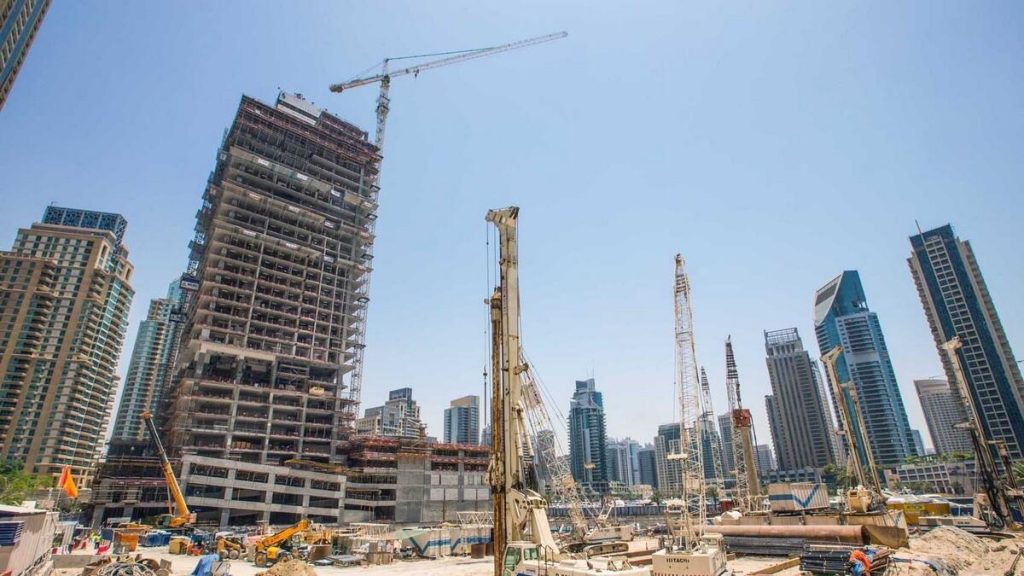
Architectural BIM Creating the Construction Design of the Future

In the realm of modern construction, architectural BIM services stands tall as a game-changer, revolutionizing the way buildings are designed, constructed, and managed. This advanced technology isn’t just a tool; it’s a paradigm shift, reshaping the very foundations of architectural design and construction methodologies. Understanding Architectural BIM At its core, architectural BIM is a digital representation of the physical and functional aspects of a building. It encapsulates a comprehensive database of information, integrating 3D models with data points that range from materials and dimensions to costs and schedules. This holistic approach enables architects, engineers, and construction professionals to collaborate seamlessly, fostering a cohesive and efficient design process. Precision in Design and Visualization Architectural BIM offers unparalleled precision in design. The technology allows for intricate 3D modeling, providing architects with a virtual canvas to conceptualize, design, and refine structures with meticulous detail. This level of detail not only enhances visualizations for clients but also enables architects to foresee potential design clashes or inefficiencies, mitigating errors before they manifest in the physical construction phase. Collaboration and Synergy in Construction Teams One of the most significant advantages of architectural BIM lies in its capacity to foster collaboration among multidisciplinary teams. Architects, engineers, contractors, and stakeholders can work concurrently within the BIM environment, exchanging real-time data and insights. This collaborative synergy not only accelerates decision-making but also minimizes miscommunications, ensuring a cohesive approach throughout the project lifecycle. Streamlining Construction Processes From conceptualization to project completion, architectural bim services streamlines construction processes. The technology enables the automation of repetitive tasks, such as generating schedules, cost estimations, and material lists. This automation not only reduces human errors but also optimizes resource allocation, leading to more efficient project management and cost-effective construction methodologies. Sustainable Design and Performance Analysis Architectural BIM isn’t just about creating structures; it’s about crafting sustainable, energy-efficient designs. By integrating sustainability metrics and performance analysis tools within the BIM environment, architects can assess the environmental impact of their designs. They can optimize energy consumption, analyze daylighting, and simulate the building’s performance under various conditions, fostering eco-conscious design decisions. Realizing the Future Potential of Architectural BIM Looking ahead, the potential of architectural BIM seems boundless. As technology advances, the integration of AI-driven algorithms, machine learning, and augmented reality promises to enhance BIM’s capabilities further. AI will aid in predictive modeling, optimizing designs for efficiency and sustainability, while augmented reality applications will bring BIM models to life on construction sites, facilitating seamless execution and problem-solving. AI Integration and Predictive Design The integration of artificial intelligence (AI) with architectural BIM holds immense promise for the future. AI algorithms will analyze vast datasets and historical project information, offering predictive insights into potential design optimizations. Architects will harness AI-driven suggestions for layout improvements, material selection, and even structural enhancements, thereby optimizing designs for efficiency and sustainability even before the construction phase commences. Enhanced Collaboration with Extended Reality (XR) The incorporation of Extended Reality (XR), including Virtual Reality (VR) and Augmented Reality (AR), is set to redefine how architects interact with BIM models. VR will enable immersive experiences, allowing stakeholders to explore and interact with the proposed designs in a realistic virtual environment. AR, on the other hand, will bridge the gap between digital models and physical construction sites, facilitating real-time on-site visualization, aiding in construction accuracy, and facilitating quick decision-making. Addressing Construction Challenges Prefabrication and Modular Construction Architectural BIM is poised to revolutionize prefabrication and modular construction methodologies. By leveraging BIM models, prefabricated components can be precisely designed and manufactured off-site, ensuring seamless integration during on-site assembly. This precision significantly reduces construction timelines, minimizes material waste, and enhances overall project efficiency. Risk Mitigation and Clash Detection Another area where architectural bim services excels is mitigating risks and identifying clashes early in the design phase. With thorough clash detection mechanisms embedded within BIM models, potential conflicts between structural, mechanical, electrical, and plumbing systems can be identified and resolved before construction, saving significant time and resources. The Human Element in BIM Innovation Continuous Learning and Skill Development As technology evolves, there’s an increasing emphasis on continuous learning and skill development within the architectural and construction sectors. Architects and construction professionals are actively engaging in training programs and workshops to master BIM software and its evolving functionalities. This dedication to ongoing education is instrumental in maximizing the potential of architectural BIM. Industry Collaboration and Standardization The collaborative spirit within the industry is pivotal in maximizing the potential of architectural BIM. Standardization of BIM practices, shared databases, and open collaboration platforms foster an ecosystem where knowledge exchange, best practices, and innovations are readily accessible, driving collective growth and advancements within the industry. Conclusion In conclusion, architectural bim services is not merely a tool; it’s a catalyst for transformative change in the construction industry. ENGISOFT ENGINEERING – BIM Staffing & BIM Services its ability to streamline design, enhance collaboration, optimize efficiency, and promote sustainability is reshaping architectural design paradigms. As the technology continues to evolve, architectural BIM stands as a beacon of innovation, heralding a future where precision, efficiency, and sustainability converge in the creation of architectural marvels.  
Read More

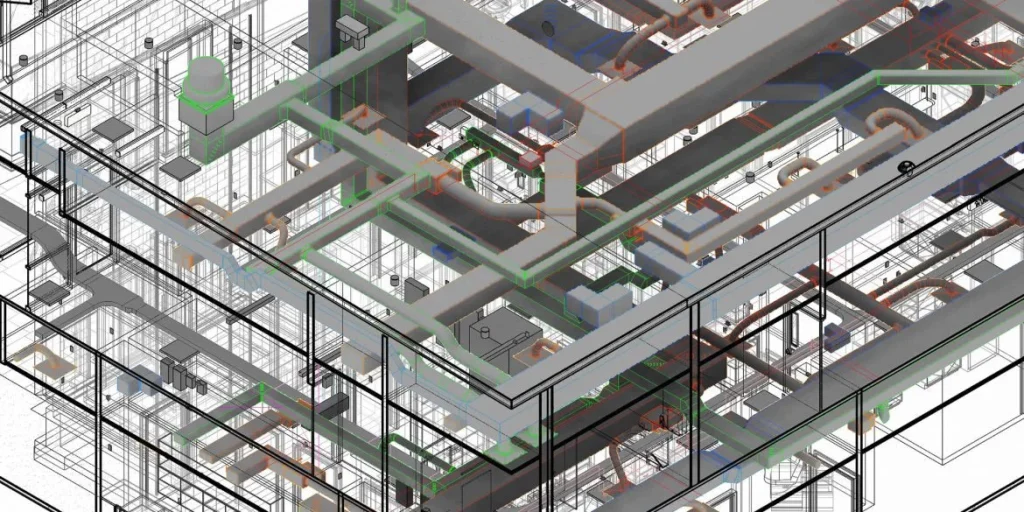
The Impact of MEP BIM Services in Dubai

In the dynamic realm of construction and engineering, the integration of building information modeling (BIM) with mechanical, electrical, and plumbing (MEP) services has emerged as a game-changer. This synergy, often referred to as MEP BIM services, represents a paradigm shift in the way buildings are conceptualized, designed, and constructed. In this exploration, we delve into the profound impact of MEP services on the construction industry. Understanding MEP BIM Solutions MEP Services Overview: MEP BIM Services encompass the planning, design, and implementation of mechanical, electrical, and plumbing systems in a building. These systems are critical for ensuring the functionality, safety, and efficiency of the constructed environment. Building Information Modeling (BIM) Overview: BIM is a collaborative process that utilizes a 3D model to visualize and manage the various elements of a building project. It goes beyond traditional 2D drawings, allowing stakeholders to create a comprehensive digital representation of a structure. Synergy of MEP and BIM: MEP services involve the integration of MEP systems into a centralized BIM model. This collaboration enhances coordination, minimizes conflicts, and streamlines the entire construction process. The Advantages of MEP BIM Service Enhanced Coordination and Collaboration: MEP BIM facilitates improved collaboration among architects, engineers, and contractors. It provides a centralized platform where all stakeholders can contribute to and access real-time project data. This level of coordination minimizes errors, reduces rework, and ensures a seamless workflow. Clash Detection and Conflict Resolution: One of the significant advantages of MEP Services is clash detection. The system identifies potential clashes between different building components early in the design phase, enabling proactive conflict resolution before construction commences. This not only saves time but also prevents costly on-site modifications. Improved Visualization and Communication: BIM models offer a visual representation of MEP systems, allowing stakeholders to better understand the intricate details of the design. This enhanced visualization aids communication among team members, clients, and other project stakeholders, fostering a more transparent and efficient decision-making process. Cost and Time Efficiency: By identifying clashes and conflicts in the virtual environment, the MEP BIM service contributes to significant cost and time savings. The early detection of issues prevents delays and reduces the need for extensive modifications during construction. This efficiency is particularly crucial in large-scale projects. Implementation Stages of MEP BIM Services Preliminary Planning: In the initial stages, project teams collaborate to establish the scope, goals, and requirements of the MEP systems. BIM facilitates the creation of a digital model that serves as a reference throughout the project’s lifecycle. 3D Modeling: Detailed 3D models of MEP systems are created, incorporating all relevant data such as dimensions, specifications, and performance parameters. This step allows stakeholders to visualize the design and make informed decisions. Clash Detection and Resolution: Using BIM, potential clashes are identified and resolved early in the design phase. This proactive approach minimizes the likelihood of conflicts during construction, optimizing project timelines. Construction Documentation: The MEP BIM service contributes to the generation of precise construction documentation. This includes detailed drawings, specifications, and other documentation necessary for the actual construction phase. Operation and Maintenance: The benefits of MEP BIM extend beyond construction. The comprehensive model generated during the process becomes a valuable asset for facility management, aiding in the efficient operation and maintenance of MEP systems throughout the building’s lifecycle. Real-World Applications and Case Studies Iconic Skyscrapers: Several iconic skyscrapers around the world have benefited from the MEP BIM service. The Burj Khalifa in Dubai and the Shard in London are prime examples where the integration of MEP BIM played a crucial role in optimizing construction processes and ensuring the efficiency of complex building systems. Healthcare Facilities: In the construction of healthcare facilities, where precision and functionality are paramount, MEP BIM services have proven invaluable. The Cleveland Clinic Abu Dhabi is an exemplar, showcasing how BIM facilitates the coordination of intricate MEP systems in a healthcare setting. Sustainable Construction: Green building projects, aiming for sustainability and energy efficiency, leverage MEP BIM services to optimize HVAC systems, lighting, and water usage. The Edge in Amsterdam stands as a testament to how BIM supports the integration of sustainable MEP systems in a cutting-edge design. Challenges and Future Trends in MEP BIM Services Challenges: Despite the benefits, challenges in implementing MEP BIM solutions include the initial investment in technology, the need for comprehensive training, and the requirement for collaboration among diverse stakeholders. Addressing these challenges is crucial for the widespread adoption of this transformative approach. Future Trends: The future of the MEP BIM service holds exciting possibilities. Advancements in artificial intelligence, machine learning, and augmented reality are expected to further enhance the capabilities of BIM, making the coordination of MEP systems even more efficient and predictive. Conclusion MEP BIM services represent a transformative force in the construction industry, seamlessly marrying the precision of MEP systems with the collaborative power of BIM. The synergy not only optimizes construction processes but also contributes to more sustainable, efficient, and cost-effective building solutions. As ENGISOFT ENGINEERING — BIM Staffing & BIM Services industry continues to evolve, embracing technological advancements and innovative approaches, MEP BIM services stand at the forefront of this revolution. They are not just tools; they are enablers of a new era in construction, where precision and progress go hand in hand, shaping the skylines of the future.

Read More

The Significance of BIM Advisory Services in Managing Innovation

In the fast-evolving landscape of construction and infrastructure development, the integration of Building Information Modeling (BIM) has emerged as a transformative force. BIM advisory services, steering the implementation and utilization of this technology, play a pivotal role in managing innovation and revolutionizing the construction industry. Understanding BIM Advisory Services BIM advisory services encompass a spectrum of expertise aimed at guiding stakeholders through the BIM journey. These services provide strategic planning, implementation support, training, and continuous advisory to ensure optimal utilization of BIM technology throughout a project’s lifecycle. Managing the Transition to BIM The adoption of BIM marks a fundamental shift in traditional construction methodologies. BIM advisors facilitate a smooth transition, offering guidance on software selection, workflow integration, and change management strategies within organizations. One of BIM’s core strengths lies in fostering collaboration among various stakeholders involved in a project. BIM advisors emphasize the importance of seamless communication and collaboration, ensuring that all parties involved leverage BIM to its fullest potential. Enhancing Design and Decision-Making BIM advisory services empower architects, engineers, and designers to create more accurate, detailed, and efficient designs. The technology allows for real-time visualization, simulation, and analysis, enabling informed decision-making at every stage of the project. BIM contributes significantly to project efficiency by enabling better coordination and clash detection, reducing errors, and streamlining construction schedules. BIM advisors assist in optimizing construction workflows and project management through data-driven insights. Leveraging Data for Optimization BIM generates vast amounts of data throughout a project’s lifecycle. BIM advisors help extract actionable insights from this data, allowing stakeholders to optimize operations, forecast potential issues, and implement improvements based on historical project data. BIM services aid in incorporating sustainability principles into design and construction. Consultants facilitate the integration of energy-efficient systems and materials, enabling the evaluation of a building’s environmental impact across its lifecycle. Regulatory Compliance and Standardization Navigating complex regulatory environments is a challenge in construction. BIM advisors ensure compliance with industry standards, building codes, and regulations, helping organizations align with regional and international requirements. The successful implementation of BIM relies on the proficiency of users. BIM services offer training programs and skill development initiatives, ensuring that stakeholders possess the necessary competencies to leverage BIM effectively. Continuous Support and Innovation BIM advisors provide ongoing support, staying updated with technological advancements and industry trends. They guide organizations in adopting new features and functionalities, fostering a culture of continuous innovation. The future of BIM services is promising, with the technology evolving rapidly. Consultants aim to explore artificial intelligence, machine learning, and IoT integration, envisioning an era of smarter, data-driven construction methodologies. Risk Management and Conflict Resolution BIM services significantly contribute to risk mitigation by identifying potential clashes or inconsistencies in designs before the construction phase. This early detection minimizes costly rework, ensuring projects stay within budget and schedule. Moreover, consultants aid in conflict resolution by facilitating collaborative discussions among stakeholders, resolving design conflicts efficiently. Beyond construction, BIM’s utility extends to the operational phase of a building’s lifecycle. Advisory services assist in implementing BIM for facility management, aiding in asset tracking, predictive maintenance, and efficient operation of the constructed infrastructure. This utilization ensures buildings function optimally throughout their lifecycle, maximizing returns on investment. Customization and Tailored Solutions BIM advisory services understand that each project is unique. They offer tailored solutions, aligning BIM implementation strategies with specific project requirements, organizational goals, and stakeholder needs. This customization ensures that BIM serves as a valuable tool, addressing project-specific challenges effectively. The adoption of BIM often necessitates a cultural shift within organizations. BIM services support this transformation by focusing on change management strategies, fostering a culture of collaboration, innovation, and adaptability among project teams, enabling smoother integration of BIM into existing workflows. Collaboration in a Global Context With projects spanning global boundaries, BIM services facilitate collaboration among teams dispersed across various locations. They harness the power of cloud-based BIM solutions, enabling real-time collaboration, data sharing, and seamless communication among globally distributed stakeholders. The drive for inclusivity within BIM services ensures accessibility to technology for all stakeholders, regardless of their technical expertise. Consultants emphasize user-friendly interfaces, simplified workflows, and comprehensive training programs, democratizing access to BIM’s capabilities. Addressing Technological Challenges As the industry evolves, BIM services navigate emerging technological challenges. They explore interoperability between different BIM platforms, data security, and integration with emerging technologies like augmented reality (AR) and virtual reality (VR), enhancing the functionalities and scope of BIM. Conclusion The role of BIM advisory services in managing innovation within the construction industry cannot be overstated. ENGISOFT ENGINEERING – BIM Staffing & BIM Services these services serve as catalysts for change, enabling organizations to harness the transformative power of BIM, drive efficiency, and embrace a future where technology shapes the very fabric of construction and infrastructure development. Their guidance and expertise in harnessing the full potential of BIM herald a new era of construction methodologies that are data-driven, collaborative, and responsive to the ever-evolving demands of the built environment.  

Read More
Bim consulting services

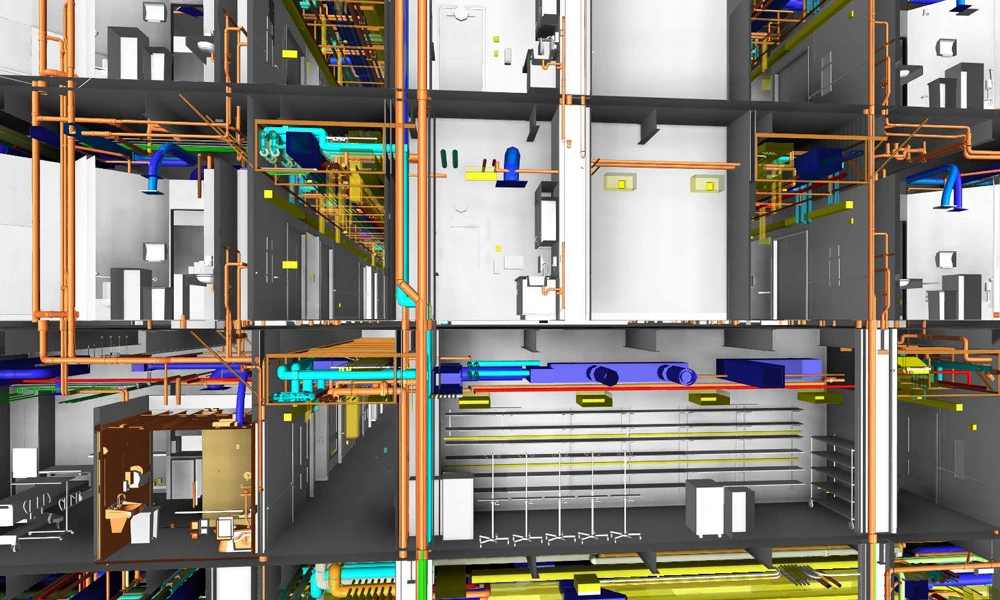
BIM Consulting Services for Project Optimization

In the realm of construction and infrastructure development, BIM consulting stand as a game-changer, revolutionizing traditional practices and optimizing project outcomes. This blog aims to explore the pivotal role played by BIM consulting services in streamlining project workflows, enhancing collaboration, and optimizing efficiency within the construction industry. Understanding BIM Consulting Services BIM consulting represents a specialized domain within the construction industry, offering expertise in implementing and utilizing building information modeling methodologies. These services extend beyond software proficiency; they encompass strategic planning, process optimization, and comprehensive guidance throughout the project lifecycle. Enhanced Project Visualization and Collaboration BIM consulting facilitates improved project visualization through 3D, 4D, and even 5D models. These models enable stakeholders to visualize the entire project, including its spatial layout, construction sequencing, and cost estimations. Enhanced visualization fosters better collaboration among architects, engineers, contractors, and clients, aligning project goals and expectations. Early Stage Decision-Making and Risk Mitigation Consulting services leverage BIM to simulate and analyze various design scenarios during the early stages of a project. This enables stakeholders to make informed decisions, identify potential risks, and address clashes or inconsistencies before construction commences. Early-stage analysis minimizes design flaws, reducing rework and project delays. Streamlined Workflow and Clash Detection BIM consulting services streamline project workflows by integrating various design disciplines. Through clash detection tools within BIM software, consultants identify and resolve clashes between different building systems, such as MEP (Mechanical, Electrical, and Plumbing), structural elements, and architectural components. Resolving clashes early avoids costly modifications during construction. Data-Driven Decision-Making and Optimization Data extracted from BIM models aids consultants in making data-driven decisions for project optimization. Analysis of project data enables consultants to optimize construction sequences, material usage, and resource allocation, improving efficiency and reducing waste throughout the construction process. Cost Estimation and Project Management BIM consulting services play a vital role in accurate cost estimation and project management. By leveraging BIM models, consultants create detailed cost estimations and schedules, aligning with project timelines and budgetary constraints. This ensures better cost control, minimizes overruns, and enhances overall project management. Sustainability Integration and Lifecycle Analysis BIM consultants integrate sustainability considerations into project designs. Through lifecycle analysis, consultants evaluate the environmental impact of construction materials and systems. This analysis aids in making informed decisions regarding energy efficiency, waste reduction, and adherence to sustainability standards. Collaboration with Stakeholders and Training Initiatives BIM consulting foster collaboration among project stakeholders. Consultants facilitate communication and knowledge sharing among architects, engineers, contractors, and clients, ensuring alignment of project goals and methodologies. Additionally, they conduct training programs to educate teams on BIM utilization, fostering better implementation and proficiency. Adapting to Technological Advancements BIM consulting continually adapt to technological advancements. They embrace AI, machine learning, and cloud-based solutions to enhance BIM capabilities. By staying updated with technological trends, consultants ensure that BIM services remain at the forefront of innovation within the construction industry. Real-Time Project Monitoring and Progress Tracking BIM consulting services offer real-time monitoring and progress tracking capabilities. Using BIM models, consultants can track project status, monitor construction progress, and compare it against the planned schedule. This real-time insight allows for prompt decision-making, identifies potential delays, and facilitates adjustments to keep the project on track. Clash Resolution and Conflict Management Incorporating BIM consulting minimizes clashes and conflicts within construction projects. With advanced clash detection tools, consultants identify and resolve clashes between structural, mechanical, electrical, and plumbing systems, mitigating conflicts before construction starts. This proactive approach saves time and resources, ensuring smoother project execution. Improved Facility Management and Operations Beyond construction, BIM consulting contribute to efficient facility management. The data-rich BIM models developed during the project’s lifecycle serve as a valuable asset for facility managers. These models provide detailed information about components, maintenance schedules, and equipment, facilitating efficient operations and maintenance post-construction. Modular and Prefabricated Construction Integration BIM consulting services seamlessly integrate modular and prefabricated construction methodologies. Consultants optimize designs for prefabricated components, ensuring their compatibility with on-site assembly. Leveraging BIM models, consultants coordinate the installation of prefabricated elements, minimizing on-site disruptions and accelerating project timelines. Risk Management and Contingency Planning Consultants specializing in BIM employ risk management strategies using virtual simulations. They conduct risk analysis to identify potential issues and formulate contingency plans. Through simulations and scenario planning, they prepare for unexpected events, enabling proactive risk mitigation strategies to address any unforeseen challenges during construction. Client Engagement and Value Addition BIM consulting facilitate enhanced client engagement by providing visual aids and detailed insights. Consultants use BIM models to present clients with interactive visualizations, enabling them to better understand project progress, make informed decisions, and actively participate in the project’s evolution, thereby adding value and ensuring client satisfaction. Adherence to Regulatory Standards and Certifications BIM consulting ensure projects comply with regulatory standards and certifications. Consultants maintain updated knowledge of local building codes, environmental regulations, and industry standards. By aligning designs with these standards from the onset, they ensure that projects meet legal requirements and achieve necessary certifications. Continuous Innovation and Adaptability BIM consulting services prioritize continuous innovation and adaptability. They constantly explore new technologies, workflows, and methodologies to improve BIM implementation. By embracing emerging trends like generative design, IoT integration, and cloud-based collaboration, consultants stay at the forefront of innovation, driving industry progress. Industry Collaboration and Knowledge Sharing Collaboration among BIM consultants fosters knowledge sharing and industry advancement. Consultants engage in forums, conferences, and collaborative initiatives, sharing best practices, challenges, and innovative solutions. This collective knowledge sharing elevates the industry as a whole, fostering a culture of innovation and continuous improvement. Conclusion BIM consulting services play an integral role in optimizing construction projects. ENGISOFT ENGINEERING – BIM Staffing & BIM Services their expertise in leveraging BIM methodologies, enhancing collaboration, facilitating data-driven decisions, and integrating sustainability ensures that projects are executed efficiently, cost-effectively, and sustainably, setting new benchmarks for success within the construction landscape.  

Read More
Structural bim services

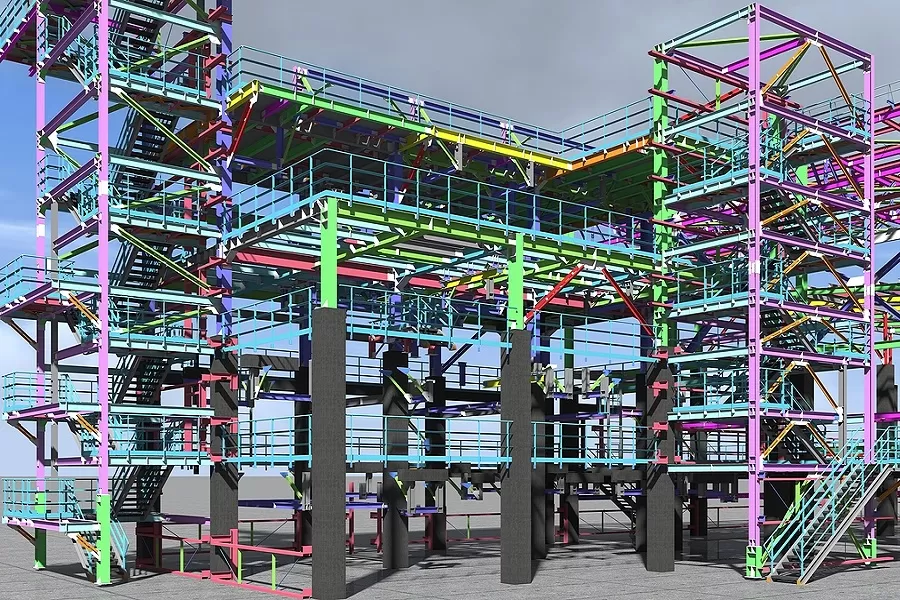
Streamlining Coordination the Art of Structural BIM Services

In the dynamic landscape of construction and engineering, Structural Building Information Modeling (BIM) services have emerged as a cornerstone in revolutionizing the design, coordination, and execution of structural elements within construction projects. This blog aims to delve into the intricate world of Structural services, exploring their methodologies, significance, and transformative impact on modern construction endeavors. Analyzing BIM Services for Structures Structural services represent a paradigm shift in how structural components are envisioned and implemented within construction projects. By harnessing sophisticated digital modeling and data-driven processes, these services enable the creation of virtual 3D models that accurately represent the structural framework of buildings and infrastructure. Precision in Design and Visualization The hallmark of Structural BIM services lies in their ability to facilitate precise design visualization. Engineers and architects can create detailed 3D models of structural elements, allowing stakeholders to visualize, analyze, and iterate upon designs before the construction phase. This visualization capability aids in identifying potential issues, optimizing designs, and enhancing structural integrity. Structural services facilitate collaborative coordination among multidisciplinary teams. Professionals across structural engineering, architecture, and construction collaborate within a unified digital platform. Clash detection tools embedded within BIM software enable early identification and resolution of conflicts or clashes between structural elements, preventing costly on-site revisions. Enhanced Efficiency and Project Lifecycle Management By embracing BIM services, construction projects experience heightened efficiency throughout their lifecycle. These services streamline workflows, reduce errors, and optimize resource utilization. Furthermore, BIM’s ability to integrate scheduling, cost estimation, and material management aids in project planning, execution, and monitoring. Sustainability is a pivotal consideration in modern construction practices. BIM services enable engineers and designers to integrate sustainable practices into structural designs. Concepts like material optimization, energy efficiency, and life cycle assessments are embedded into BIM models, contributing to eco-friendly construction practices. Advanced Analysis and Simulation Structural services empower engineers with advanced analysis and simulation capabilities. Through BIM, structural engineers conduct simulations for load analysis, seismic performance, and environmental impacts. This analysis aids in designing structures that meet safety standards, withstand dynamic forces, and respond efficiently to environmental conditions. Structural BIM services ensure compliance with regulatory standards and documentation requirements. BIM models provide comprehensive documentation, aiding in obtaining approvals and certifications from relevant authorities. This meticulous documentation streamlines the regulatory compliance process, minimizing delays and ensuring adherence to industry standards. Optimization of Construction Phases Adoption of Structural services optimizes construction phases. Detailed BIM models aid in generating precise construction schedules, facilitating efficient procurement, and enabling contractors to foresee challenges beforehand. Consequently, this optimization minimizes construction timeframes, reduces costs, and enhances overall project management. Structural BIM models continue to add value even after construction completion. They serve as an invaluable resource for future adaptability, renovation, and maintenance of structures. BIM’s as-built models provide accurate information for ongoing facility management, renovations, or potential expansions, ensuring long-term sustainability. Structural BIM services excel in managing intricate design complexities. Whether it’s intricate architectural designs or complex structural systems, BIM enables the coordination of various elements while ensuring they seamlessly integrate without conflicts or discrepancies. This meticulous coordination minimizes potential rework, enhances design precision, and ensures the structural integrity of the building. Risk Mitigation and Value Engineering Structural BIM services play a crucial role in risk mitigation and value engineering. By identifying potential risks early in the design phase, such as clashes, inconsistencies, or structural inefficiencies, these services allow for proactive risk management strategies. Additionally, value engineering principles are applied to optimize designs, ensuring the best value for materials, construction methods, and overall project costs. Prefabrication and off-site construction methods are increasingly integrated into construction projects, and Structural services facilitate this transition seamlessly. BIM models provide detailed information for prefabricated elements, enabling accurate manufacturing off-site. Prefabrication, guided by BIM, enhances construction efficiency, reduces on-site labor, minimizes waste, and accelerates project timelines. Communication and Collaboration Enhancements The collaborative nature of Structural services fosters improved communication and collaboration among project stakeholders. Designers, engineers, contractors, and clients can access a centralized platform where real-time updates, modifications, and discussions take place. This enhanced communication streamlines decision-making, encourages transparency, and fosters a unified project vision. In an era of climate change and evolving environmental challenges, Structural services focus on creating resilient and adaptive designs. Engineers can simulate various scenarios to assess a structure’s response to seismic events, extreme weather, or other unforeseen circumstances. This proactive approach ensures the resilience of structures, contributing to their longevity and safety. Training and Skill Development The adoption of Structural BIM services necessitates continuous training and skill development among professionals. Training programs, certifications, and workshops keep engineers and designers updated on the latest software advancements and methodologies. This commitment to skill enhancement ensures the proficient utilization of BIM tools, maximizing their potential in construction projects. Structural services streamline compliance with regulatory standards and industry-specific requirements. These services ensure that designs and construction processes adhere to local building codes, international standards, and industry regulations. Compliance with standardized practices enhances project credibility, minimizes legal risks, and ensures high-quality construction. Client Engagement and Visualization Structural services empower clients by providing comprehensive visualization of projects. Through 3D models and visual representations, clients gain a deeper understanding of the proposed design, aiding in informed decision-making. Clients can visualize the end result and provide valuable feedback early in the design phase, ensuring that their requirements are met. The realm of Structural BIM services continues to evolve with technological advancements. Trends like cloud-based BIM, AI-driven design optimization, and interoperability between various software platforms are shaping the future of BIM. These advancements promise more efficient workflows, enhanced collaboration, and further integration of BIM into the construction ecosystem. Conclusion Structural BIM services stand as a transformative force, revolutionizing the way structural elements are designed, coordinated, and managed within construction projects. ENGISOFT ENGINEERING – BIM Staffing & BIM Services their ability to enhance precision, streamline coordination, optimize efficiency, and ensure sustainability redefines structural excellence, paving the way for innovation in modern construction practices. Their holistic approach from intricate design coordination to sustainable, resilient, and client-centric solutions propels the construction industry towards innovation, efficiency,

Read More

TECH CONFERENCE 2021 LONDON

Interdum iusto pulvinar consequuntur augu s est odit mi quosliquid sempero ipsum dolor sit amet, cons ectetur adipiscing elit orto ulum non mollis woiur pokju solti metus.

HOME LAB OPEN STUDIOS

Interdum iusto pulvinar consequuntur augu s est odit mi quosliquid sempero ipsum dolor sit amet, cons ectetur adipiscing elit orto ulum non mollis woiur pokju solti metus.

SOCIAL MEDIA

Subscribe To Our Newsletter

Scroll to Top

Nullam quis risus eget urna mollis ornare vel eu leo. Aenean lacinia bibendum nulla sed 

Subscribe to get 15% discount