BLOG

The only thing standing between you and your goal is the bullshit story you keep telling yourself as to why you can’t achieve it.

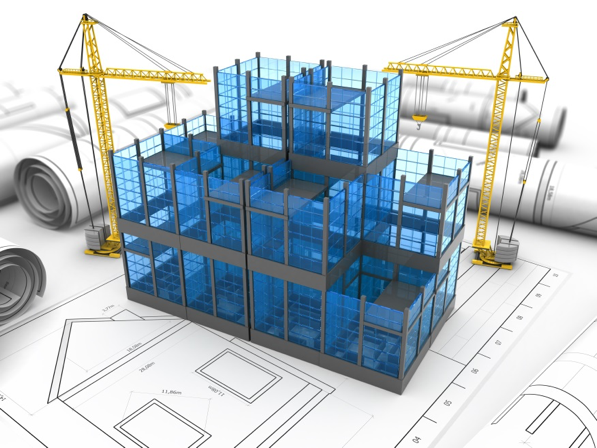
Introduction to BIM Structural Modeling: Key Concepts and Benefits

Building Information Modeling BIM has revolutionized the way architects, engineers, and construction professionals design, analyze, and construct buildings. In this article, we’ll delve into the key concepts and benefits of BIM specifically in the context of structural modeling. Understanding BIM Structural Modeling BIM is a digital representation of physical and functional characteristics of a building. When applied to structural engineering, BIM becomes a powerful tool for creating accurate 3D models of building structures. These models are intelligent, containing not just geometric information but also data about materials, quantities, performance specifications, and more. Key components of BIM structural modeling include: BIM structural modeling allows for parametric modeling, where elements in the model are defined by parameters such as size, shape, and relationship to other elements. Changes made to one part of the model automatically update related elements, ensuring consistency and accuracy throughout the design process. Interoperability BIM software facilitates collaboration and interoperability among different disciplines (architecture, structural engineering, MEP – mechanical, electrical, plumbing). Each discipline can work on their part of the model simultaneously, with changes reflected across the entire project in real-time. Visualization and Simulation BIM enables realistic visualization and simulation of structural behavior. Engineers can analyze how different loads, materials, or design changes affect the structure’s performance, leading to optimized designs and improved decision-making. Data-Rich Models BIM models contain a wealth of information beyond geometry. Structural elements are linked to databases with details like material properties, cost estimates, construction schedules, and maintenance requirements. This data can be leveraged throughout the building’s lifecycle. Benefits of BIM Structural Modeling The adoption of BIM in structural engineering brings numerous advantages: Improved Collaboration BIM fosters interdisciplinary collaboration, reducing conflicts and misunderstandings between architects, engineers, and contractors. By working on a shared platform, project stakeholders can coordinate more effectively, leading to smoother project delivery. Enhanced Visualization BIM’s 3D models enhance visualization and understanding of complex structural designs. Clients and project stakeholders can better comprehend the final product, reducing misinterpretations and change orders during construction.   Early Detection of Clashes BIM software allows clash detection, where potential conflicts between structural, architectural, and MEP elements are identified before construction begins. This preemptive approach minimizes rework and ensures construction proceeds more efficiently. Efficient Analysis and Optimization: Structural analysis tools integrated into BIM software enable engineers to simulate various scenarios and optimize designs for performance, safety, and cost-efficiency. This iterative process results in more robust structures. Cost and Time Savings BIM facilitates accurate quantity take-offs, cost estimation, and construction scheduling. By identifying and resolving issues early in the design phase, costly delays and modifications during construction are minimized. Lifecycle Management BIM supports asset management throughout the building’s lifecycle. Maintenance schedules, renovation plans, and facility management tasks can be seamlessly integrated into the BIM model, ensuring the building remains efficient and well-maintained. Real-World Applications Large-Scale Infrastructure Projects BIM is used in the design and construction of bridges, tunnels, and dams, enabling engineers to optimize complex structural systems and manage construction logistics. High-Rise Buildings BIM is invaluable for designing tall structures where structural integrity is critical. It allows for detailed analysis of wind and seismic loads, as well as efficient coordination of multiple building systems. Renovation and Retrofitting BIM facilitates renovation and retrofit projects by providing accurate as-built models, enabling designers to plan modifications with precision and minimizing disruption to ongoing operations. Challenges and Future Trends While BIM offers substantial benefits, its adoption also presents challenges: Skill Requirements BIM requires specialized skills and training. Professionals need to become proficient in BIM software and workflows to leverage its full potential. Integrating BIM across various platforms and software tools remains a challenge. Standardization efforts are ongoing to improve interoperability. Looking ahead, the future of BIM in structural modeling is promising. Emerging technologies like generative design, artificial intelligence, and cloud-based collaboration will further enhance BIM’s capabilities, enabling more efficient and sustainable construction practices. Conclusion BIM structural modeling is transforming the way structural engineers design, analyze, and manage buildings. By leveraging parametric modeling, interdisciplinary collaboration, and data-rich models, BIM optimizes project delivery, enhances structural performance, and supports sustainable building practices. As the construction industry embraces digital transformation, BIM will continue to play a pivotal role in shaping the built environment of tomorrow.
Read More
engisoft

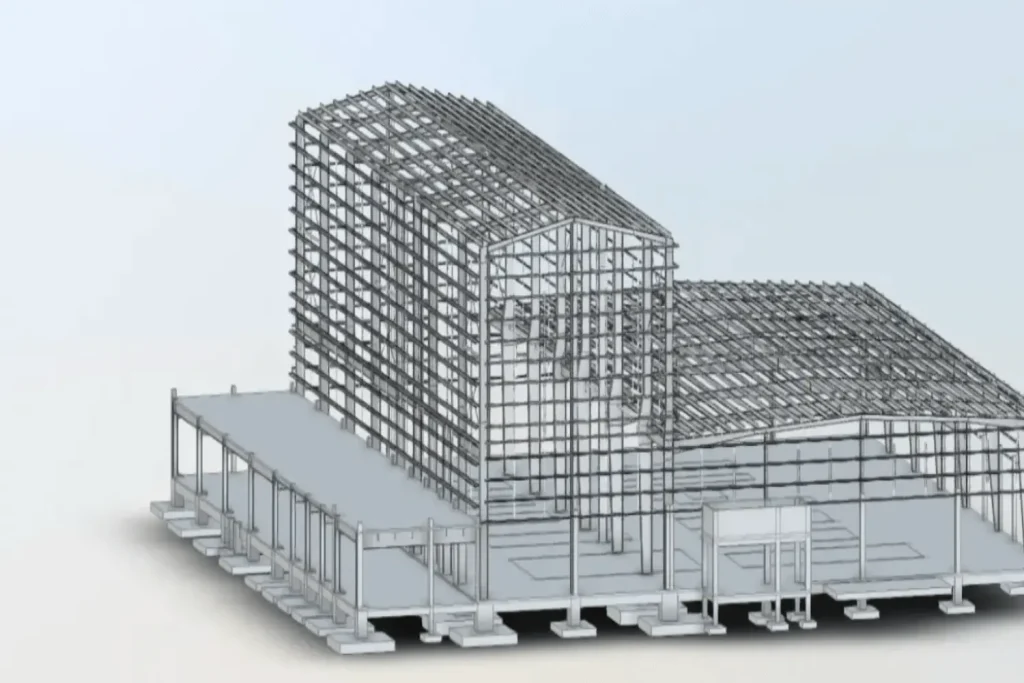
Understanding BIM Structural Modeling Services An Overview

In the realm of architecture, engineering, and construction (AEC), Building Information Modeling (BIM) has revolutionized the way structural design and construction projects are planned, executed, and managed. BIM offers a comprehensive digital representation of a building’s physical and functional characteristics. Within BIM, structural modeling services play a crucial role, providing detailed insights into the structural components of a building project. Let’s delve deeper into understanding BIM structural modeling services and their significance in modern construction practices. What is BIM Structural Modeling? BIM Structural Modeling involves creating a detailed digital representation of a building’s structural elements within a 3D model. This process encompasses the development of precise geometric and data-rich models of structural components such as beams, columns, slabs, foundations, and more. The primary objective of BIM structural modeling is to simulate the behavior of these elements in a virtual environment, enabling engineers and stakeholders to visualize, analyze, and optimize the structure before construction begins. Key Components of BIM Structural Modeling Services 3D Modeling BIM structural modeling starts with the creation of a 3D model that accurately depicts the structural framework of the building. This model includes various elements like beams, columns, braces, and connections in their exact dimensions and placements. Detailed Analysis Structural engineers use BIM to conduct detailed analysis and simulations to assess factors like load-bearing capacity, structural integrity, and potential risks. Advanced BIM tools enable engineers to perform complex analyses for different scenarios. Clash Detection BIM allows for clash detection between structural elements and other building systems (such as MEP – Mechanical, Electrical, and Plumbing) to identify and resolve conflicts before construction. This minimizes errors and rework during the construction phase. Quantity Takeoff BIM models provide accurate quantity takeoffs, helping in material estimation and cost analysis. This data supports budgeting and procurement processes, streamlining project management and cost control. Construction Documentation BIM facilitates the generation of construction drawings, structural plans, and fabrication details directly from the 3D model. This integration ensures consistency and accuracy across all project documentation. Collaboration and Coordination BIM promotes interdisciplinary collaboration among architects, structural engineers, contractors, and other stakeholders. It enables real-time coordination and data sharing, fostering a more integrated project delivery approach. Benefits of BIM Structural Modeling Services Improved Design Accuracy: BIM enables precise visualization and analysis, leading to optimized structural designs with fewer errors and reworks. Enhanced Collaboration By centralizing project information, BIM promotes better collaboration and communication among project teams, reducing coordination issues. Cost and Time Savings BIM facilitates early clash detection and accurate quantity takeoffs, minimizing construction delays and material wastage. With access to detailed insights and simulations, stakeholders can make informed decisions throughout the project lifecycle. Sustainability and Efficiency BIM supports sustainable design practices by analyzing energy performance and environmental impact during the design phase. Applications of BIM Structural Modeling High-Rise Buildings BIM is extensively used in the design and construction of high-rise structures, ensuring structural integrity and safety. BIM aids in the development of detailed models for bridges, tunnels, and other infrastructure projects, enabling efficient planning and execution. Industrial Facilities BIM is applied in the design of industrial facilities such as factories and warehouses, optimizing structural layouts and systems. BIM facilitates renovation projects by accurately capturing existing conditions and enabling clash-free design modifications. Future Trends in BIM Structural Modeling Integration with AI and IoT BIM is evolving with the integration of Artificial Intelligence (AI) and Internet of Things (IoT) technologies to enhance automation and data-driven decision-making. Cloud-Based Collaboration Cloud platforms are increasingly being used for real-time collaboration and data sharing among distributed project teams. BIM models are being visualized using VR/AR technologies, offering immersive experiences for design review and stakeholder engagement. BIM will continue to play a critical role in promoting sustainable design practices, focusing on energy efficiency and lifecycle analysis. Conclusion BIM structural modeling services are pivotal in modern construction projects, offering a holistic approach to structural design, analysis, and collaboration. The adoption of BIM has transformed the AEC industry by improving efficiency, reducing costs, and enhancing project outcomes. As technology continues to evolve, BIM will remain at the forefront of innovation, shaping the future of construction towards more sustainable, efficient, and collaborative practices. Understanding and embracing BIM structural modeling is essential for professionals and organizations looking to stay competitive in the dynamic landscape of architecture and engineering.

Read More
engisoft

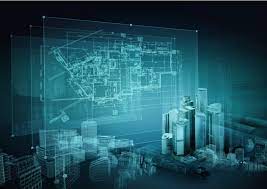
Optimizing Construction with BIM Structural Modeling Services

In the realm of modern construction and engineering, Building Information Modeling (BIM) has emerged as a transformative technology, particularly in structural design and construction processes. BIM structural modeling services offer a comprehensive approach to planning, designing, constructing, and managing buildings and infrastructure. This blog explores the benefits and applications of BIM structural modeling services, highlighting how they optimize construction projects. Understanding BIM Structural Modeling BIM structural modeling involves creating a digital representation of a building’s physical and functional characteristics. Unlike traditional 2D drawings, BIM incorporates intelligent 3D models that contain not only geometric data but also information about materials, components, and relationships. This information-rich model serves as a collaborative platform for architects, engineers, and construction professionals throughout the project lifecycle. The core of BIM structural modeling is the creation of a virtual prototype that simulates the behavior of a structure before physical construction begins. This allows stakeholders to visualize the project, identify potential issues, and make informed decisions early in the process. BIM models are not static; they evolve and integrate data from various disciplines, enabling better coordination and communication among project teams. Benefits of BIM Structural Modeling Services Enhanced Collaboration and Coordination: BIM facilitates interdisciplinary collaboration by enabling real-time sharing and updating of project data. This integrated approach enhances coordination among architects, structural engineers, MEP (Mechanical, Electrical, Plumbing) professionals, and contractors, reducing conflicts and errors. Improved Design Quality BIM enables detailed visualization and analysis of structural elements, leading to optimized designs. Engineers can simulate structural performance under various conditions, ensuring safety and efficiency. Additionally, clash detection features identify and resolve design conflicts before construction, minimizing rework. Cost and Time Savings By streamlining design and construction processes, BIM helps minimize project delays and budget overruns. Accurate quantity takeoffs and material specifications enable better cost estimation. Virtual construction sequencing allows for efficient project scheduling and resource allocation. Sustainability and Lifecycle Management BIM supports sustainable design by evaluating energy performance, material usage, and environmental impact early in the design phase. Lifecycle management features facilitate maintenance planning and renovations, extending the longevity of structures. Risk Mitigation BIM’s comprehensive data model enhances risk analysis and mitigation strategies. By identifying potential issues in advance, such as clashes or constructability issues, project teams can implement preventive measures, reducing onsite risks. Applications of BIM Structural Modeling Services Structural Analysis and Design: BIM tools empower structural engineers to perform complex analyses, including load simulations, seismic assessments, and wind resistance studies. This data-driven approach results in robust and efficient structural designs. Construction Planning and Sequencing BIM facilitates 4D (time-based) and 5D (cost-based) simulations, integrating project schedules and budgets with 3D models. This visualization aids in construction sequencing, logistics planning, and resource management. Prefabrication and Modular Construction BIM supports offsite construction methods by enabling precise fabrication and assembly of building components. Prefabrication reduces onsite labor and accelerates project timelines while ensuring quality control. Facility Management and Maintenance Beyond construction, BIM models serve as valuable assets for facility managers. They provide a digital twin of the building, containing essential information for maintenance, repairs, and renovations throughout its lifecycle. Implementing BIM Structural Modeling Services Successful implementation of BIM structural modeling services requires a collaborative approach and investment in technology and training. Here’s how organizations can leverage BIM effectively: Invest in Training Equip teams with the necessary skills to use BIM software proficiently. Training programs should focus on interdisciplinary collaboration and data management. Establish Standards and Protocols Define BIM execution plans and project-specific protocols to ensure consistency and interoperability across disciplines. Integrate BIM workflows into project management systems to streamline data sharing and communication among stakeholders. Embrace Cloud-Based Collaboration Utilize cloud platforms for real-time collaboration, enabling remote access and version control of BIM models. Encourage feedback loops and lessons learned sessions to refine BIM processes and maximize project outcomes. Conclusion BIM structural modeling services have revolutionized the construction industry by enhancing project efficiency, collaboration, and quality. From conceptual design to facility management, BIM facilitates a holistic approach to construction project delivery. By leveraging BIM technology and embracing a collaborative mindset, organizations can optimize construction processes, reduce costs, and deliver superior built environments. As the industry evolves, BIM will continue to play a pivotal role in shaping the future of construction and engineering.

Read More
engisoft

BIM Structural Modeling Services for Efficient Construction

In the realm of modern construction, Building Information Modeling (BIM) has emerged as a transformative technology that significantly enhances the efficiency and accuracy of structural design and construction processes. BIM structural modeling services offer a comprehensive approach to project planning, design, coordination, and execution, ultimately leading to more efficient and cost-effective construction outcomes. Let’s delve into the details of how BIM structural modeling services contribute to achieving efficient construction practices. Understanding BIM Structural Modeling BIM is a collaborative process that utilizes digital representations of physical and functional characteristics of a facility. In the context of structural engineering and construction, BIM structural modeling involves creating a 3D digital model of a building’s structure, incorporating detailed information about materials, components, and spatial relationships. This model serves as a centralized repository of project data, facilitating seamless collaboration and communication among architects, engineers, contractors, and other stakeholders throughout the project lifecycle. Key Services Offered by BIM Structural Modeling Detailed 3D Modeling BIM facilitates the creation of detailed 3D models that accurately represent the structural elements of a building, including columns, beams, slabs, and foundations. These models provide a clear visualization of the project, enabling stakeholders to identify potential clashes, optimize designs, and make informed decisions early in the planning phase. Structural Analysis and Simulation BIM Structural Modeling Services allows for sophisticated structural analysis and simulation, helping engineers evaluate the performance of building designs under various conditions such as loads, stresses, and environmental factors. This analysis ensures structural integrity and safety while optimizing material usage and minimizing construction costs. Coordination and Clash Detection One of the significant advantages of BIM is its ability to detect clashes and coordination issues before construction begins. BIM models integrate architectural, structural, and MEP (mechanical, electrical, plumbing) systems, enabling clash detection and resolution during the design phase. This proactive approach mitigates costly rework and delays during construction. Quantity Takeoff and Cost Estimation BIM software can automatically generate accurate quantity takeoffs based on the 3D model, streamlining the estimation of material quantities and associated costs. This data-driven approach enhances cost certainty and supports effective budget management throughout the project lifecycle. Construction Planning and Sequencing BIM facilitates the development of detailed construction plans and sequencing strategies based on the virtual model. By visualizing the construction process in advance, project teams can optimize workflows, enhance safety protocols, and minimize on-site disruptions. Collaborative Project Management BIM serves as a centralized platform for collaborative project management, allowing stakeholders to share real-time information, track changes, and maintain version control. This transparency improves communication and coordination among multidisciplinary teams, fostering a more integrated approach to project delivery. Benefits of BIM Structural Modeling Improved Design Coordination BIM facilitates interdisciplinary collaboration by integrating architectural, structural, and MEP systems into a single model. This coordination minimizes conflicts and ensures that design decisions consider all aspects of the building’s construction. Enhanced Visualization and Communication Visualizing the project in 3D enhances stakeholders’ understanding of design intent and construction sequencing. This visual clarity improves communication and facilitates stakeholder buy-in, leading to smoother project execution. Optimized Resource Utilization By providing accurate quantity takeoffs and material specifications, BIM helps optimize resource utilization, reducing waste and minimizing construction costs. This data-driven approach supports sustainable construction practices. Early Issue Identification BIM enables proactive issue identification and resolution during the design phase, reducing the likelihood of costly rework and schedule delays during construction. Clash detection and structural analysis help mitigate risks and ensure project quality. Streamlined Construction Management Centralized project data and collaborative workflows streamline construction management, enabling real-time updates and improved decision-making. This efficiency accelerates project timelines and enhances overall project outcomes. Conclusion BIM structural modeling services play a pivotal role in enhancing the efficiency and effectiveness of construction projects. By leveraging advanced digital technologies, BIM enables comprehensive project planning, design optimization, and seamless collaboration among stakeholders. The benefits of BIM, including improved design coordination, enhanced visualization, optimized resource utilization, and streamlined construction management, underscore its importance in achieving efficient and sustainable construction practices. As the construction industry continues to embrace innovation, BIM remains a cornerstone technology that drives progress towards safer, smarter, and more efficient built environments.

Read More
engisoft

Empowering Construction Projects BIM Structural Modeling Services

In the realm of construction, innovation has become the cornerstone of progress. As demands for efficiency, sustainability, and cost-effectiveness continue to rise, the industry is constantly seeking new technologies and methodologies to meet these challenges head-on. One such technology that has revolutionized the way construction projects are planned, executed, and managed is Building Information Modeling (BIM). Specifically, BIM Structural Modeling Services have emerged as a game-changer, offering a myriad of benefits to architects, engineers, contractors, and project stakeholders alike. Understanding BIM Structural Modeling Before delving into the advantages of BIM Structural Modeling Services, it’s essential to grasp the fundamentals of Building Information Modeling. BIM is a digital representation of the physical and functional characteristics of a building or infrastructure project. It encompasses not only geometric information but also data regarding spatial relationships, quantities, and properties of building components. BIM Structural Modeling, as a subset of BIM, focuses on the structural aspects of a building project. It involves creating a digital model that accurately depicts the structural elements such as beams, columns, slabs, and foundations. This model serves as a comprehensive database of information that can be leveraged throughout the project lifecycle, from initial design to construction and facility management. The Benefits of BIM Structural Modeling Services Enhanced Collaboration and Coordination One of the most significant advantages of BIM Structural Modeling Services is the facilitation of collaboration among project stakeholders. By centralizing all project data within a single, accessible platform, BIM promotes interdisciplinary collaboration and communication. Architects, structural engineers, MEP (mechanical, electrical, plumbing) professionals, and contractors can work concurrently on the same model, ensuring seamless coordination and reducing the likelihood of errors or clashes. Improved Visualization and Design Validation BIM Structural Modeling enables stakeholders to visualize the project in a detailed and realistic manner before construction begins. Advanced visualization tools allow for the creation of 3D models, renderings, and virtual walkthroughs, providing clients and project teams with a clear understanding of the proposed design. Additionally, design validation capabilities enable engineers to perform structural analysis, simulations, and clash detection, identifying potential issues early in the process and mitigating risks. Streamlined Construction Planning and Sequencing With BIM Structural Modeling Services, construction planning becomes more efficient and accurate. The digital model serves as a foundation for construction sequencing, enabling project teams to optimize schedules, identify dependencies, and plan logistics effectively. By simulating the construction process virtually, stakeholders can anticipate challenges, optimize workflows, and minimize delays, ultimately leading to greater productivity and cost savings. Accurate Quantity Takeoffs and Cost Estimation BIM facilitates accurate quantity takeoffs and cost estimation, which are essential aspects of project budgeting and procurement. By extracting quantities directly from the digital model, estimators can generate precise material lists and quantities, reducing the likelihood of errors and discrepancies. Furthermore, BIM enables real-time cost analysis and scenario planning, allowing stakeholders to make informed decisions and optimize project budgets throughout the lifecycle. Enhanced Sustainability and Lifecycle Management BIM Structural Modeling supports sustainable design and lifecycle management practices by providing comprehensive data and analysis tools. Sustainable materials, energy-efficient systems, and lifecycle cost analysis can be integrated into the digital model, enabling stakeholders to evaluate environmental impacts and make informed decisions that minimize resource consumption and maximize efficiency. Additionally, BIM facilitates the management of building assets throughout their lifecycle, from construction and operation to maintenance and renovation, ensuring long-term sustainability and value. Real-World Applications of BIM Structural Modeling The Burj Khalifa, the tallest building in the world, stands as a testament to the power of BIM Structural Modeling. Throughout its design and construction phases, BIM technology played a crucial role in coordinating complex structural systems, optimizing material usage, and ensuring adherence to stringent safety standards. The digital model served as a collaborative platform for architects, engineers, and contractors, enabling seamless communication and decision-making, ultimately contributing to the successful completion of this iconic structure. Sustainable Campus The Bullitt Center The Bullitt Center, often hailed as the greenest commercial building in the world, exemplifies how BIM Structural Modeling can facilitate sustainable design and construction practices. By leveraging BIM technology, the project team was able to integrate passive design strategies, renewable energy systems, and advanced building materials into the digital model, optimizing energy performance and minimizing environmental impact. Throughout the lifecycle of the building, BIM continues to support efficient operation, maintenance, and ongoing performance monitoring, ensuring that the Bullitt Center remains a model of sustainability for years to come. Conclusion BIM Structural Modeling Services have emerged as a transformative force in the construction industry, empowering projects with enhanced collaboration, visualization, planning, and sustainability. By embracing BIM technology, stakeholders can streamline workflows, minimize risks, and deliver projects more efficiently and cost-effectively. As the industry continues to evolve, BIM will undoubtedly remain at the forefront of innovation, driving the construction industry towards a future of greater efficiency, sustainability, and success.

Read More

TECH CONFERENCE 2021 LONDON

Interdum iusto pulvinar consequuntur augu s est odit mi quosliquid sempero ipsum dolor sit amet, cons ectetur adipiscing elit orto ulum non mollis woiur pokju solti metus.

HOME LAB OPEN STUDIOS

Interdum iusto pulvinar consequuntur augu s est odit mi quosliquid sempero ipsum dolor sit amet, cons ectetur adipiscing elit orto ulum non mollis woiur pokju solti metus.

SOCIAL MEDIA

Subscribe To Our Newsletter

Scroll to Top

Nullam quis risus eget urna mollis ornare vel eu leo. Aenean lacinia bibendum nulla sed 

Subscribe to get 15% discount