BLOG

The only thing standing between you and your goal is the bullshit story you keep telling yourself as to why you can’t achieve it.
Bim services in dubai

The Role of BIM Services in Dubai Design Innovation

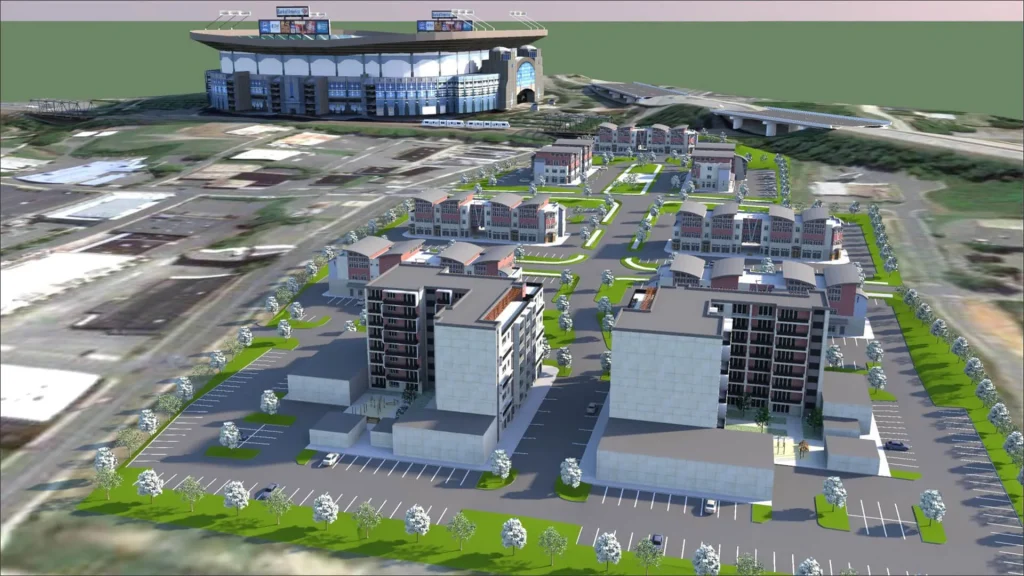
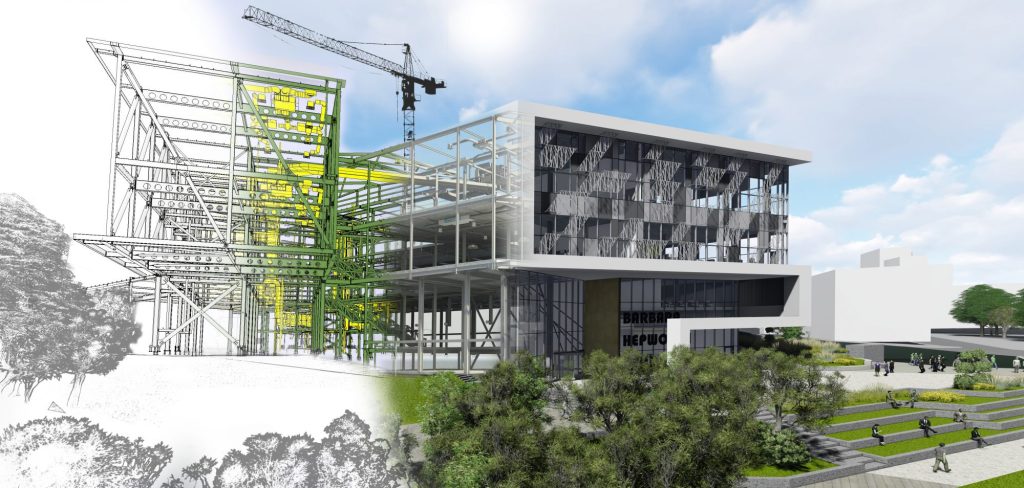
Dubai, with its iconic skyline and visionary architecture, stands as a testament to design innovation on a grand scale. At the heart of many groundbreaking projects in this dynamic city lies the integration of Building Information Modeling (BIM) services. In this blog, we delve into the pivotal role that BIM Services in Dubai play in driving design innovation in Dubai, from conceptualization to realization, and examine the transformative impact they have on the city’s architectural landscape. Dubai’s Ambitious Design Agenda Dubai’s rapid urban development is fueled by a bold vision to become a global hub for innovation and creativity. From awe-inspiring skyscrapers to sprawling mega-developments, the city’s architectural ambitions are unmatched. BIM services serve as a catalyst for realizing these ambitious designs, offering architects, engineers, and developers the tools and technologies needed to turn visionary concepts into reality. Enhancing Collaboration and Communication One of the key strengths of BIM services lies in their ability to facilitate seamless collaboration and communication among project stakeholders. In Dubai, where projects often involve an array of international partners and consultants, effective coordination is essential. BIM enables real-time sharing of data and information, fostering greater transparency, efficiency, and alignment across all stages of the design and construction process. Optimizing Design Efficiency In a city where time is of the essence and deadlines are tight, efficiency is paramount. BIM services empower architects and designers to streamline the design process, allowing for faster iteration, analysis, and optimization of design concepts. With advanced visualization and simulation capabilities, designers can explore different scenarios, identify potential issues, and make informed decisions that enhance both the aesthetic and functional aspects of their projects. Ensuring Accuracy and Precision Dubai’s architectural marvels demand the highest levels of accuracy and precision in design and construction. BIM services provide the tools and methodologies needed to achieve these standards, allowing for the creation of detailed 3D models that accurately represent every aspect of a building’s geometry, structure, and systems. By minimizing errors and discrepancies, BIM helps ensure that projects are delivered on time and within budget, without compromising quality. Driving Sustainable Design Practices As sustainability takes center stage in global discourse, Dubai is leading the way with its commitment to green building principles and practices. BIM Services in Dubai play a vital role in this endeavor by enabling architects and designers to incorporate sustainable design strategies from the outset of a project. From energy modeling to material analysis, BIM allows for the evaluation of environmental performance metrics, helping to create buildings that are not only visually striking but also environmentally responsible. Facilitating Smart Urban Planning Dubai’s vision for the future extends beyond individual buildings to encompass smart, sustainable urban environments. BIM services are instrumental in this regard, providing city planners and developers with the tools to model and simulate entire districts and neighborhoods. By visualizing how different elements interact within the urban fabric, from transportation networks to green spaces, BIM helps inform strategic decision-making and shape the future development of the city. Case Studies in Design Innovation To illustrate the real-world impact of BIM services on design innovation in Dubai, we explore several iconic projects that have leveraged these technologies to push the boundaries of architecture. From the Burj Khalifa, the world’s tallest building, to the Dubai Expo 2020 site, these case studies showcase how BIM has been instrumental in realizing ambitious visions and shaping the city’s skyline. Challenges and Opportunities While BIM services offer tremendous benefits to the design and construction industry in Dubai, they also present challenges that must be addressed. These include issues related to interoperability, data management, and skill development. However, with the right strategies and investments, these challenges can be overcome, paving the way for even greater innovation and advancement in the years to come. Conclusion BIM Services in Dubai are at the forefront of design innovation in Dubai, enabling architects, engineers, and developers to push the boundaries of what is possible in the built environment. ENGISOFT ENGINEERING – BIM Staffing & BIM Services  from enhancing collaboration and communication to driving sustainable design practices and facilitating smart urban planning, BIM is reshaping the city’s architectural landscape in profound ways. As Dubai continues to evolve and grow, the role of BIM services will only become more critical in shaping its future as a global leader in design and innovation.
Read More
 Architectural BIM services

Designing the Future Leveraging Architectural BIM Services

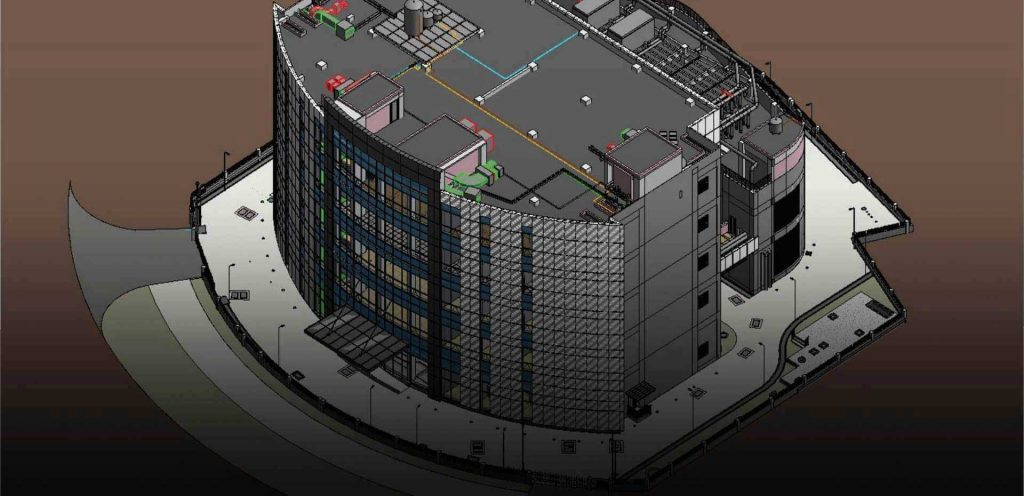
In the ever-evolving landscape of architecture, innovation is the key to staying ahead. Designing structures that not only meet but exceed expectations requires a blend of creativity, functionality, and efficiency. Fortunately, technological advancements have provided architects with powerful tools to achieve these goals. Among these tools, Building Information Modeling (BIM) stands out as a revolutionary approach that has transformed the way architectural projects are conceived, designed, and executed. BIM is a digital representation of the physical and functional characteristics of a building. It is a collaborative process that allows architects, engineers, and construction professionals to work together on a shared platform, integrating various aspects of the project seamlessly. From initial conceptualization to final construction and beyond, BIM serves as a comprehensive database that contains vital information about every aspect of the building, including geometry, spatial relationships, geographic information, quantities, and properties of building components. Improved Collaboration BIM fosters collaboration among different stakeholders involved in a project. Architects, engineers, contractors, and clients can all work together in real-time, sharing ideas, feedback, and insights. This collaborative environment encourages innovation by bringing diverse perspectives to the table and facilitating the exchange of innovative solutions. Iterative Design Process With BIM, architects can easily create, modify, and analyze design iterations. The parametric modeling capabilities of BIM software allow architects to explore various design options quickly and efficiently. By iteratively refining their designs based on feedback and performance analysis, architects can uncover innovative solutions that optimize both form and function. Data-Driven Design Decisions BIM provides architects with access to vast amounts of data that can inform design decisions. From environmental performance metrics to cost estimates and material specifications, Architectural BIM Services to make informed choices at every stage of the design process. By leveraging this data, architects can optimize their designs for efficiency, sustainability, and user experience, leading to innovative solutions that meet the needs of both clients and end-users. Visualization and Simulation BIM enables architects to visualize their designs in 3D and simulate various scenarios to assess performance. Virtual reality (VR) and augmented reality (AR) technologies further enhance this capability, allowing architects to immerse themselves and their clients in the proposed design. By experiencing the design firsthand, stakeholders can provide valuable feedback and contribute to the development of innovative solutions. Prefabrication and Modular Construction BIM facilitates the integration of prefabrication and modular construction techniques into the design process. By modeling building components digitally and optimizing their fabrication off-site, architects can streamline the construction process and reduce waste. This approach not only accelerates project delivery but also enables architects to explore innovative design solutions that leverage the benefits of prefabrication and modular construction. Sustainability and Resilience BIM plays a crucial role in designing sustainable and resilient buildings. Architectural BIM Services analyzing factors such as energy performance, daylighting, and thermal comfort, architects can optimize their designs for environmental performance. BIM also enables architects to explore innovative strategies for mitigating climate change impacts, such as passive design strategies, green roofs, and renewable energy systems. Adaptive Reuse and Historic Preservation BIM can be used to document existing buildings and heritage sites accurately. By creating digital replicas of historic structures, architects can explore innovative approaches to adaptive reuse and historic preservation. BIM allows architects to assess the structural integrity of existing buildings, identify opportunities for renovation and rehabilitation, and propose innovative design interventions that respect the building’s heritage while meeting the needs of modern users. Performance-Based Design BIM enables architects to evaluate the performance of their designs based on various criteria, such as structural integrity, thermal comfort, and occupant satisfaction. By conducting performance simulations and analyses, architects can identify areas for improvement and refine their designs iteratively. This data-driven approach to design empowers architects to innovate by pushing the boundaries of what is achievable in terms of performance and functionality. Regenerative Design BIM facilitates regenerative design principles by allowing architects to design buildings that contribute positively to their surrounding environment. By integrating features such as green spaces, rainwater harvesting systems, and renewable energy sources, architects can create buildings that regenerate ecosystems, enhance biodiversity, and promote human health and well-being. BIM enables architects to quantify the environmental and social impact of their designs and explore innovative strategies for creating regenerative built environments. Future-Proofing Designs: BIM helps architects future-proof their designs by anticipating future trends and challenges. By incorporating flexible design elements, such as adaptable spaces, modular components, and smart technologies, architects can create buildings that can evolve and adapt to changing needs over time. This forward-thinking approach to design ensures that buildings remain relevant and resilient in the face of technological advancements, demographic shifts, and environmental changes. Conclusion Architectural BIM services are driving innovation in the industry by empowering architects to explore new design possibilities, optimize performance, and create sustainable and resilient built environments. ENGISOFT ENGINEERING – BIM Staffing & BIM Services by leveraging the power of technology, architects can push the boundaries of traditional design practices and develop innovative solutions that meet the needs of today’s complex and rapidly evolving world. As we continue to embrace the opportunities afforded by BIM, the future of architecture looks brighter than ever, filled with endless possibilities for innovation and creativity.

Read More
Bim Management

Future-Proofing Projects Harnessing BIM Management for Success

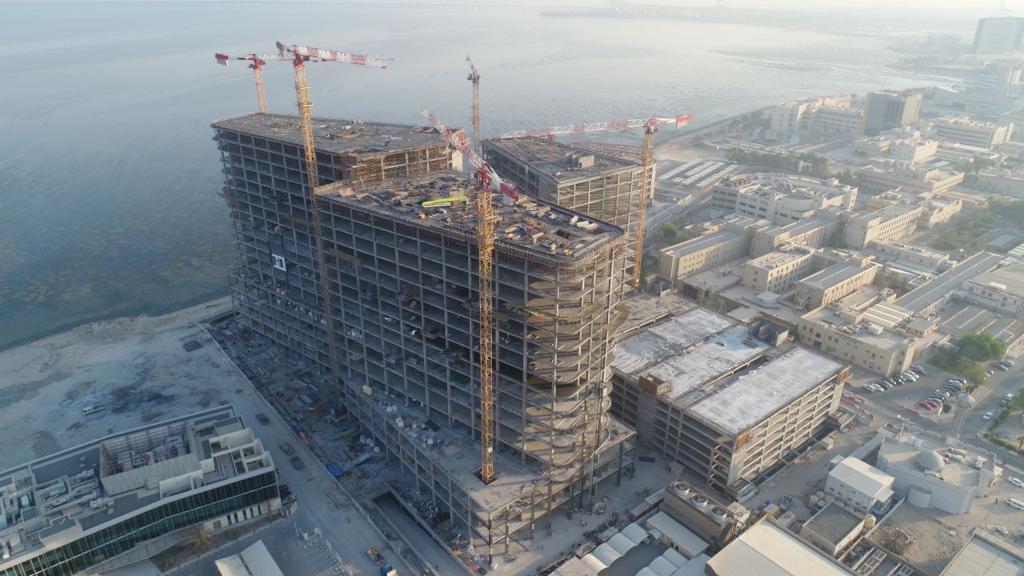
In an era of rapid technological advancement and evolving construction practices, the ability to future-proof projects has become essential for success in the construction industry. Building Information Modeling (BIM) management stands as a cornerstone in achieving this goal, offering a comprehensive approach to planning, executing, and managing construction projects. In this blog, we’ll explore the concept of future-proofing projects through effective BIM management, examining its significance, key principles, and practical applications in ensuring project success in a dynamic and ever-changing environment. Understanding Future-Proofing in Construction Future-proofing in construction refers to the proactive strategies and measures undertaken to anticipate and address potential challenges and changes that may arise over the lifespan of a project. This includes considerations such as technological advancements, regulatory requirements, sustainability goals, and market shifts. Future-proofing aims to ensure that projects remain relevant, resilient, and adaptable to evolving circumstances, thereby maximizing their longevity, value, and impact. The Role of BIM Management in Future-Proofing Projects BIM management plays a pivotal role in future-proofing projects by providing a structured framework for integrating technology, data, and collaboration throughout the project lifecycle. Key aspects of BIM management that contribute to future-proofing include Strategic Planning: BIM management begins with strategic planning, where project stakeholders define goals, objectives, and BIM requirements aligned with project outcomes. By identifying potential risks and opportunities early in the planning phase, project teams can develop strategies to future-proof the project against unforeseen challenges. Standardization: Standardization of BIM workflows, protocols, and data formats ensures consistency and interoperability across project teams and disciplines. This enables seamless collaboration, data exchange, and integration of new technologies and systems as the project evolves. Collaboration: BIM management fosters collaboration and information sharing among project stakeholders, promoting transparency, communication, and teamwork. By breaking down silos and facilitating cross-disciplinary collaboration, BIM management enables project teams to adapt to changing requirements and respond effectively to emerging challenges. Data-driven Decision Making: BIM management emphasizes the importance of data-driven decision-making, leveraging BIM data to inform project planning, design, construction, and operations. By harnessing the power of data analytics and predictive modeling, project teams can anticipate future trends and optimize project outcomes. Continuous Improvement: BIM management is an iterative process that involves continuous evaluation, refinement, and optimization of BIM workflows and practices. By embracing a culture of continuous learning and improvement, project teams can adapt to changing technologies, methodologies, and market dynamics, ensuring the long-term success and sustainability of their projects. Practical Applications of BIM Management in Future-Proofing Projects Adaptive Design: BIM management enables project teams to create adaptive designs that can accommodate future changes and expansions. By incorporating flexibility into design parameters and using parametric modeling techniques, projects can easily adapt to evolving requirements without the need for costly redesigns or modifications. Lifecycle Management: BIM management facilitates the integration of asset lifecycle management principles into project planning and execution. By capturing and managing data throughout the project lifecycle, project teams can optimize asset performance, minimize lifecycle costs, and extend the lifespan of built assets. Sustainability Integration: BIM management supports the integration of sustainability principles into project design and construction. By analyzing environmental data, simulating energy performance, and optimizing resource utilization, projects can achieve higher levels of sustainability and resilience, reducing their environmental footprint and future-proofing against regulatory changes and market demands. Risk Management: BIM management enables project teams to identify, assess, and mitigate risks proactively throughout the project lifecycle. By conducting comprehensive risk assessments and leveraging predictive analytics, projects can anticipate potential disruptions and develop contingency plans to mitigate their impact, ensuring project continuity and success. Conclusion In conclusion, future-proofing projects through effective BIM management is essential for success in today’s dynamic and competitive construction industry. ENGISOFT ENGINEERING – BIM Staffing & BIM Services By embracing strategic planning, collaboration, data-driven decision-making, and continuous improvement, project teams can ensure that their projects remain relevant, resilient, and adaptable to changing circumstances. As technology continues to evolve and market dynamics shift, BIM management will play an increasingly critical role in future-proofing projects, enabling them to thrive in an ever-changing environment.

Read More
Infrastructure BIM Services

The Role of Infrastructure BIM Services in Construction Projects

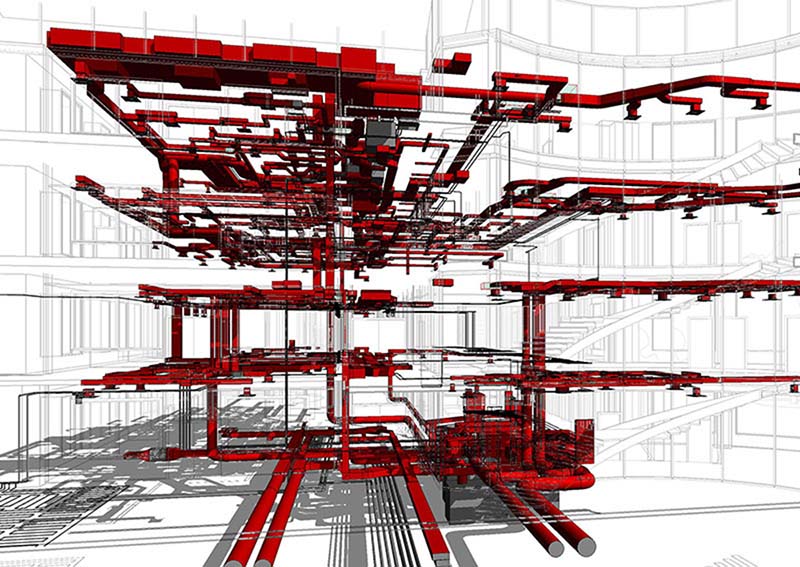
In the rapidly evolving landscape of construction and engineering, Building Information Modeling (BIM) has emerged as a transformative technology, revolutionizing the way infrastructure projects are planned, designed, and executed. With its ability to create digital representations of physical and functional characteristics of buildings and infrastructure, BIM has become an indispensable tool for stakeholders across the construction industry. In this official blog, we explore the pivotal role of BIM services in infrastructure projects, highlighting its benefits, applications, and the future of digital construction. Introduction to BIM Services BIM services encompass a range of processes and technologies aimed at creating, managing, and exchanging digital representations of Infrastructure BIM Services assets throughout their lifecycle. From initial conceptualization to construction and maintenance, BIM services facilitate collaboration, improve decision-making, and optimize project outcomes. Benefits of BIM Services in Infrastructure Projects Improved Visualization: BIM services enable stakeholders to visualize infrastructure projects in a 3D digital environment, providing a clear understanding of spatial relationships, design intent, and construction sequencing. This enhanced visualization capability promotes better communication and decision-making among project teams. Enhanced Coordination: With BIM services, architects, engineers, and contractors can collaborate more effectively, coordinating design changes and resolving conflicts in real-time. This collaborative approach minimizes errors, reduces rework, and streamlines project delivery. Optimized Design: BIM services facilitate iterative design processes, allowing project teams to explore multiple design alternatives and evaluate their impact on cost, performance, and sustainability. By analyzing design options in a virtual environment, stakeholders can make informed decisions that optimize project outcomes. Clash Detection and Resolution: BIM services include clash detection tools that identify conflicts between different building systems, such as structural, architectural, and MEP components. By detecting clashes early in the design phase, project teams can proactively resolve issues before they escalate, minimizing costly delays and rework during construction. Quantification and Cost Estimation: BIM services enable accurate quantification of materials and components, facilitating more reliable cost estimation and budgeting. By integrating cost data with BIM models, project teams can track project costs in real-time and make informed decisions to control project expenses. Improved Construction Planning: BIM services support construction planning and sequencing by providing detailed construction phasing, logistics planning, and resource allocation. By simulating construction activities in a virtual environment, project teams can optimize workflows, improve site safety, and minimize construction conflicts. Applications of BIM Services in Infrastructure Projects Roads and Highways: BIM services are used to design, visualize, and analyze road and highway infrastructure, including alignments, intersections, and drainage systems. By incorporating geographic information systems (GIS) data and terrain modeling, BIM services enable accurate terrain analysis and site grading for road construction projects. Bridges and Structures: BIM services are employed in the design and analysis of bridges, tunnels, and other civil structures, enabling engineers to optimize structural performance, minimize material usage, and enhance safety. By simulating structural behavior under different loading conditions, BIM services support structural analysis, design validation, and code compliance. Rail and Transit: BIM services are utilized in the planning, design, and construction of rail and transit infrastructure, including rail lines, stations, and signaling systems. By integrating BIM models with geographic information systems (GIS) and asset management systems, BIM services enable comprehensive asset lifecycle management for rail and transit projects. Utilities and Infrastructure Networks: BIM services support the design and management of utility networks, including water, sewer, and electrical systems. By creating digital twins of utility assets, BIM services enable utilities to visualize, analyze, and optimize infrastructure performance, improving reliability, efficiency, and resilience. Environmental and Sustainability Analysis: BIM services facilitate environmental and sustainability analysis for infrastructure projects, enabling engineers to evaluate the environmental impact of design alternatives and optimize resource usage. By integrating energy modeling, daylighting analysis, and life cycle assessment (LCA) tools, BIM services support sustainable design decision-making and compliance with green building standards. Future Directions and Innovations As technology continues to evolve, the role of BIM services in Infrastructure BIM Services projects is expected to expand, driving innovation and transformation across the construction industry. Key trends and innovations in BIM services include: Cloud-Based Collaboration: The adoption of cloud-based BIM platforms enables real-time collaboration and data sharing among project stakeholders, regardless of their location or time zone. Cloud-based BIM services facilitate seamless communication, document management, and version control, improving project efficiency and team productivity. Integration with IoT and Sensor Technology: BIM services are increasingly integrated with Internet of Things (IoT) devices and sensor technology, enabling real-time monitoring and control of infrastructure assets. By collecting and analyzing data from sensors embedded in buildings and infrastructure, BIM services support predictive maintenance, performance optimization, and asset management. Virtual and Augmented Reality: The use of virtual reality (VR) and augmented reality (AR) technologies enhances the visualization and communication of infrastructure projects. By immersing stakeholders in virtual environments, VR and AR-based BIM services enable interactive design reviews, virtual site visits, and immersive training simulations, improving stakeholder engagement and understanding. Artificial Intelligence and Machine Learning: BIM services leverage artificial intelligence (AI) and machine learning (ML) algorithms to automate repetitive tasks, analyze complex data sets, and generate design insights. AI and ML-based BIM services support automated design optimization, generative design, and predictive analytics, accelerating decision-making and innovation in infrastructure projects. Conclusion BIM services play a critical role in the planning, design, and construction of Infrastructure BIM Services projects, enabling stakeholders to visualize, analyze, and optimize project outcomes. ENGISOFT ENGINEERING – BIM Staffing & BIM Services From improved visualization and coordination to enhanced design optimization and sustainability analysis, BIM services offer a wide range of benefits that drive efficiency, collaboration, and innovation across the construction industry. As technology continues to advance, the role of BIM services in infrastructure projects will continue to evolve, shaping the future of digital construction and transforming the way we build and manage infrastructure for generations to come.  

Read More
Mep Bim Modeling Services

Unlocking Efficiency The Power of MEP BIM Modeling Services

In the dynamic landscape of construction and building design, efficiency is paramount. MEP (Mechanical, Electrical, and Plumbing) systems form the backbone of modern buildings, and their effective integration is crucial for project success. Enter MEP BIM (Building Information Modeling) modeling services – a game-changer in the construction industry. In this blog post, we’ll explore how BIM modeling services unlock efficiency, streamline workflows, and revolutionize the way MEP systems are designed, analyzed, and implemented. Understanding MEP BIM Modeling MEP BIM modeling is a collaborative process that involves creating digital representations of mechanical, electrical, and plumbing systems within a building’s 3D model. Unlike traditional 2D drawings, MEP BIM models provide a comprehensive and detailed visualization of MEP components, allowing for better coordination, analysis, and communication throughout the project lifecycle. By leveraging advanced BIM software such as Revit, AutoCAD MEP, and Navisworks, BIM modeling services enable stakeholders to visualize, simulate, and optimize MEP systems with unprecedented accuracy and efficiency. The Power of Integration One of the key advantages of MEP BIM modeling services is the seamless integration of MEP systems with architectural and structural elements. By working within a unified BIM environment, architects, engineers, and contractors can collaborate more effectively, identify potential clashes and conflicts early in the design process, and make informed decisions to optimize system performance and spatial coordination. The result is a more cohesive and coordinated building design that minimizes rework, reduces costs, and accelerates project delivery. Efficiency in Design and Coordination BIM modeling services streamline the design and coordination of MEP systems, allowing for greater efficiency and accuracy in project execution. Through parametric modeling, engineers can quickly generate and modify MEP components, such as ductwork, piping, and electrical conduits, based on project requirements and design constraints. Clash detection tools identify conflicts between MEP systems and other building elements, enabling proactive resolution before construction begins. Additionally, MEP BIM models serve as a central repository of project information, facilitating communication and collaboration among project stakeholders and reducing the likelihood of errors and omissions. Optimizing Performance and Sustainability BIM modeling services empower engineers to optimize the performance and sustainability of MEP systems through advanced analysis and simulation tools. Energy analysis software allows engineers to assess the energy efficiency of HVAC systems, lighting design, and building envelope performance, identifying opportunities for energy savings and carbon reduction. Computational fluid dynamics (CFD) simulations enable engineers to evaluate airflow patterns, thermal comfort, and indoor air quality, ensuring optimal performance and occupant comfort. By integrating sustainability principles into the design process, MEP BIM modeling services contribute to the development of greener, more environmentally friendly buildings that meet the needs of today without compromising the needs of future generations. Case Studies in Efficiency Let’s explore two real-world case studies that demonstrate the power of BIM modeling services in unlocking efficiency: Iconic Tower Project In a high-profile tower project, BIM modeling services played a critical role in coordinating the complex MEP systems of the building. By creating detailed BIM models of mechanical, electrical, and plumbing components, engineers were able to identify clashes and conflicts early in the design process, reducing the risk of rework and delays during construction. Through iterative design iterations and simulation analysis, engineers optimized the performance of HVAC systems, lighting design, and plumbing layouts, resulting in a more efficient and sustainable building. Large-Scale Commercial Development In a large-scale commercial development project, MEP BIM modeling services facilitated collaboration among multiple design disciplines and construction teams. By centralizing project information within a shared BIM environment, architects, engineers, and contractors were able to access real-time updates and coordinate their activities more effectively. Clash detection tools helped identify and resolve conflicts between MEP systems and structural elements, minimizing costly errors and delays. Additionally, energy analysis software allowed engineers to assess the environmental impact of design decisions and implement sustainable design strategies that reduced energy consumption and operational costs over the life of the building. Challenges and Opportunities While BIM modeling services offer significant benefits, they also present challenges that must be addressed to fully realize their potential. These challenges include Technical Expertise: Effective implementation of BIM modeling services requires specialized technical skills and expertise in BIM software and workflows. Engineering firms must invest in training and development programs to ensure their staff are proficient in BIM technologies and methodologies. Data Management: MEP BIM models generate vast amounts of data that must be managed, organized, and maintained throughout the project lifecycle. Engineering firms must establish robust data management protocols and systems to ensure the integrity, security, and accessibility of project information. Collaboration and Coordination: BIM modeling services require close collaboration and coordination among project stakeholders, including architects, engineers, contractors, and owners. Engineering firms must foster a culture of collaboration and communication to facilitate effective teamwork and decision-making. Cost and Resources: Implementing BIM modeling services may require upfront investment in software licenses, hardware, and training, which can pose financial challenges for engineering firms, particularly smaller firms Conclusion MEP BIM modeling services represent a paradigm shift in the construction industry, offering unparalleled efficiency, accuracy, and collaboration throughout the project lifecycle. ENGISOFT ENGINEERING – BIM Staffing & BIM Services By harnessing the power of digital technology and advanced simulation tools, architectural engineering consultants can optimize the design, coordination, and performance of MEP systems in ways that were previously unimaginable. From reducing clashes and conflicts to optimizing energy efficiency and sustainability, BIM modeling services are transforming the way buildings are designed, constructed, and operated.

Read More

TECH CONFERENCE 2021 LONDON

Interdum iusto pulvinar consequuntur augu s est odit mi quosliquid sempero ipsum dolor sit amet, cons ectetur adipiscing elit orto ulum non mollis woiur pokju solti metus.

HOME LAB OPEN STUDIOS

Interdum iusto pulvinar consequuntur augu s est odit mi quosliquid sempero ipsum dolor sit amet, cons ectetur adipiscing elit orto ulum non mollis woiur pokju solti metus.

SOCIAL MEDIA

Subscribe To Our Newsletter

Scroll to Top

Nullam quis risus eget urna mollis ornare vel eu leo. Aenean lacinia bibendum nulla sed 

Subscribe to get 15% discount