BLOG

The only thing standing between you and your goal is the bullshit story you keep telling yourself as to why you can’t achieve it.
architectural Bim Services

Creating Impactful Designs Architectural BIM Services at Work

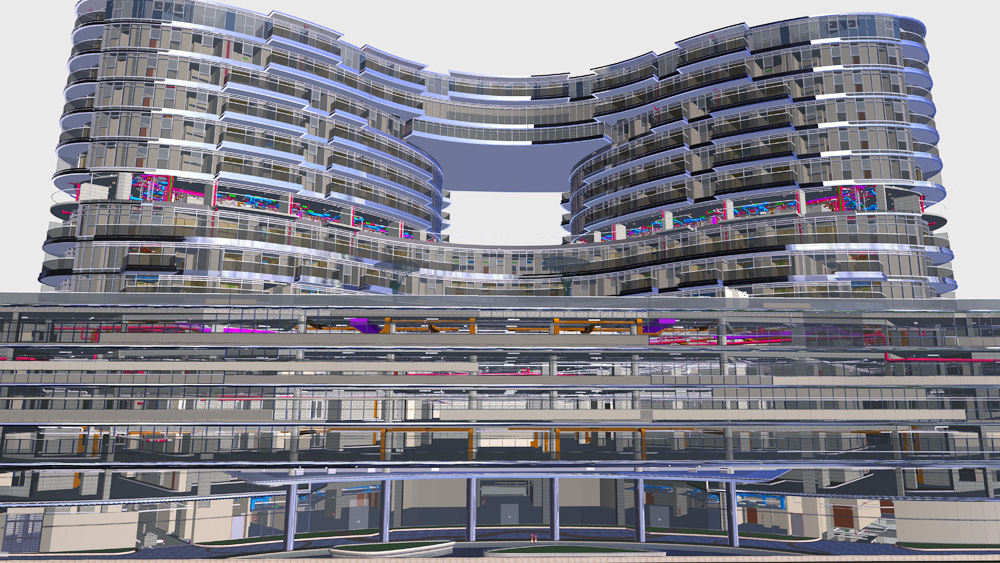
In the dynamic world of architecture, the ability to create impactful designs that captivate, inspire, and endure is paramount. Achieving this requires a harmonious blend of creativity, innovation, and technical expertise. Architectural Building Information Modeling (BIM) services have emerged as a transformative tool, empowering architects to realize their vision with precision and efficiency. In this blog, we explore how architectural BIM services are revolutionizing the design process, enabling architects to create impactful designs that leave a lasting impression. Understanding Architectural BIM Services Architectural Building Information Modeling (BIM) services involve the creation and management of digital representations of buildings and infrastructure. Unlike traditional 2D drafting methods, BIM enables architects to develop comprehensive 3D models that encompass every aspect of a building, from its structure and materials to its systems and components. These models serve as intelligent databases that contain valuable information about the project, facilitating collaboration, coordination, and decision-making throughout the design and construction process. Improving Visualization and Communication One of the primary benefits of architectural BIM services is their ability to enhance visualization and communication. By creating detailed 3D models of proposed designs, architects can provide clients, stakeholders, and project teams with a clear and realistic depiction of the final product. This enables more effective communication of design intent, allowing stakeholders to better understand and visualize the proposed project and providing opportunities for feedback and input early in the design process. Streamlining Design Iterations Architectural BIM services streamline the design iteration process by enabling architects to explore and evaluate multiple design options quickly and efficiently. By creating parametric models that can be easily modified and updated, architects can experiment with different concepts, materials, and configurations in real-time, without the need for extensive rework or revisions. This iterative approach fosters creativity and innovation, empowering architects to push the boundaries of design and develop solutions that meet the project’s objectives and requirements. Improving Coordination and Collaboration Effective coordination and collaboration are essential for the success of architectural projects, particularly those involving multiple stakeholders and disciplines. Architectural BIM services facilitate seamless collaboration by providing a centralized platform for sharing, accessing, and managing project information. Architects can collaborate with engineers, contractors, and other project partners in real-time, ensuring alignment and integration across all aspects of the design and construction process. Enhancing Design Accuracy and Precision Architectural BIM services offer unparalleled accuracy and precision in design documentation, reducing the risk of errors, omissions, and conflicts during construction. By creating intelligent models that contain detailed information about building elements, materials, and systems, architects can generate accurate drawings, schedules, and specifications that reflect the project’s requirements. This minimizes rework and change orders, resulting in cost savings and improved project outcomes. Optimizing Performance and Sustainability In an era of increasing focus on sustainability and performance-driven design, architectural BIM services play a crucial role in optimizing building performance and environmental impact. By integrating analysis tools and simulations into the BIM workflow, architects can evaluate the energy efficiency, daylighting, thermal comfort, and other performance metrics of their designs. This enables them to make informed decisions about materials, systems, and strategies that maximize sustainability and minimize environmental footprint. Case Studies and Success Stories Numerous case studies and success stories demonstrate the transformative impact of architectural BIM services on real-world projects. From iconic landmarks and skyscrapers to residential complexes and infrastructure projects, architects around the world are leveraging BIM to create innovative, sustainable, and impactful designs that shape the built environment. By showcasing these examples, architects can gain insights into best practices, lessons learned, and potential applications of BIM in their own projects. Conclusion Architectural BIM services are revolutionizing the design process, empowering architects to create impactful designs that inspire, engage, and endure. ENGISOFT ENGINEERING – BIM Staffing & BIM Services By enhancing visualization, streamlining iterations, improving coordination, and optimizing performance, BIM is reshaping the way architects approach design and construction. As the technology continues to evolve and mature, architects have an unprecedented opportunity to push the boundaries of creativity, innovation, and sustainability, creating a built environment that reflects our values, aspirations, and vision for the future.
Read More
Structural Bim Services

The Evolution of Structural Design A Closer Look at BIM Services

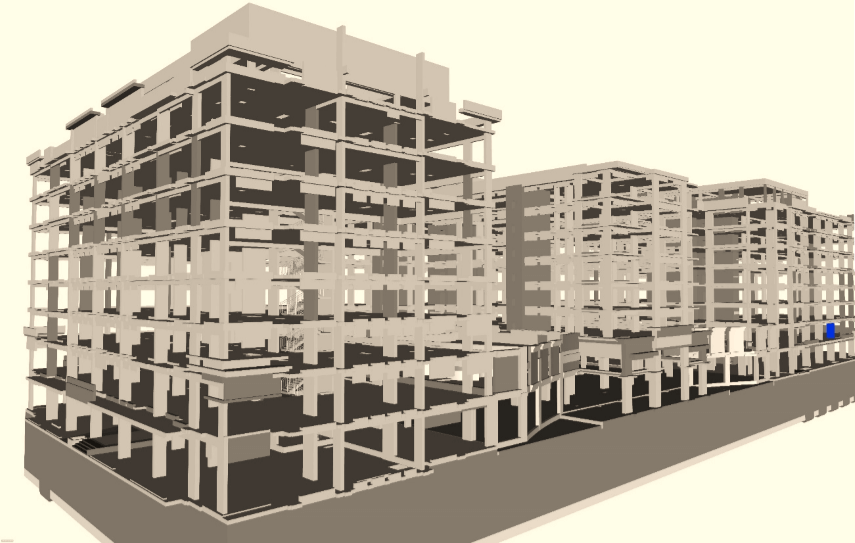
Structural design has undergone a significant evolution over the years, from traditional methods to modern technologies. Among these innovations, Building Information Modeling (BIM) services have emerged as a game-changer in the construction industry. In this blog, we’ll delve into the evolution of structural design and explore how BIM services have revolutionized the way buildings are conceptualized, designed, and constructed. The Evolution of Structural Design Structural BIM Services design has its roots in ancient civilizations, where rudimentary methods were employed to construct buildings that could withstand various forces. Over time, advancements in engineering principles and materials led to the development of more sophisticated techniques, such as arches, domes, and trusses. These innovations allowed for the construction of larger, taller, and more complex structures. In the 20th century, structural design underwent a revolution with the advent of computer-aided design (CAD) software. This technology enabled engineers to create precise drawings and models of building components, improving accuracy and efficiency in the design process. However, CAD was limited in its capabilities, primarily focusing on 2D representations of buildings. The Emergence of BIM Services The introduction of Building Information Modeling (BIM) services marked a paradigm shift in structural design. Unlike CAD, BIM is a collaborative process that involves creating and managing digital representations of physical and functional characteristics of buildings. BIM models contain rich data that goes beyond geometry, including material properties, spatial relationships, and construction schedules. BIM services enable architects, engineers, and contractors to work together seamlessly throughout the project lifecycle. By centralizing information in a shared digital environment, BIM facilitates better coordination, communication, and decision-making. This integrated approach helps to minimize errors, reduce rework, and optimize project outcomes. Benefits of BIM Services One of the key benefits of BIM services is the ability to visualize and simulate building performance before construction begins. By creating virtual prototypes of buildings, engineers can identify potential conflicts and optimize design solutions early in the process. This proactive approach helps to minimize costly changes and delays during construction. Additionally, BIM services enable engineers to perform detailed Structural BIM Services analysis and simulations, allowing for more accurate predictions of how buildings will behave under different loads and conditions. This information is invaluable for optimizing structural performance, ensuring safety, and meeting regulatory requirements. Furthermore, BIM services enhance collaboration among project stakeholders by providing a centralized platform for sharing information and coordinating activities. By breaking down silos and fostering transparency, BIM promotes a culture of teamwork and accountability, leading to better project outcomes. BIM Services: Transforming Structural Design Building Information Modeling (BIM) services represent a paradigm shift in structural design, offering a holistic approach that goes beyond traditional 2D drafting. BIM enables engineers to create digital representations of buildings that contain rich data about their physical and functional characteristics. This comprehensive model serves as a central repository of information that can be accessed and updated by all project stakeholders throughout the lifecycle of the project. The Role of BIM in Visualizing Building Performance One of the primary advantages of BIM services is the ability to visualize and simulate building performance before construction begins. By creating virtual prototypes of buildings, engineers can identify potential conflicts, optimize design solutions, and evaluate the impact of design decisions on performance metrics such as energy efficiency, structural integrity, and occupant comfort. This proactive approach helps to minimize risks and uncertainties, leading to more predictable project outcomes. Optimizing Structural Performance through Analysis and Simulation BIM services empower engineers to perform detailed structural analysis and simulations, enabling them to assess how buildings will behave under various loads and conditions. By leveraging advanced analysis tools and techniques, engineers can optimize structural performance, ensure safety, and meet regulatory requirements. From analyzing wind and seismic loads to optimizing material usage, BIM enables engineers to make informed decisions that enhance the resilience and efficiency of structures. Enhancing Collaboration with Centralized Information Sharing Central to the success of BIM services is their ability to facilitate collaboration among project stakeholders. By providing a centralized platform for sharing information and coordinating activities, BIM fosters better communication, coordination, and decision-making. This integrated approach breaks down silos and promotes a culture of teamwork and accountability, leading to smoother project execution and better project outcomes. Real-World Applications: Case Studies of BIM in Action Several real-world examples illustrate the transformative impact of BIM services on structural design. For instance, the Burj Khalifa in Dubai, the tallest building in the world, was designed using BIM technology. The complex structural system of the Burj Khalifa required precise coordination and analysis, which BIM facilitated. Similarly, the One World Trade Center in New York City utilized BIM services to streamline the design and construction process, resulting in a resilient and iconic structure. Conclusion The evolution of Structural BIM Services design has been driven by a combination of technological advancements, changing industry practices, and evolving client demands. ENGISOFT ENGINEERING – BIM Staffing & BIM Services represent the culmination of these trends, offering a comprehensive approach to building design and construction. By embracing BIM, engineers can unlock new possibilities in creativity, efficiency, and collaboration, ultimately leading to the creation of safer, more sustainable, and more innovative buildings. As BIM continues to evolve, its impact on the future of structural design will only grow stronger, shaping the built environment for generations to come.

Read More
Mep services

The Important Role Of Mep Services In Sustainable Construction

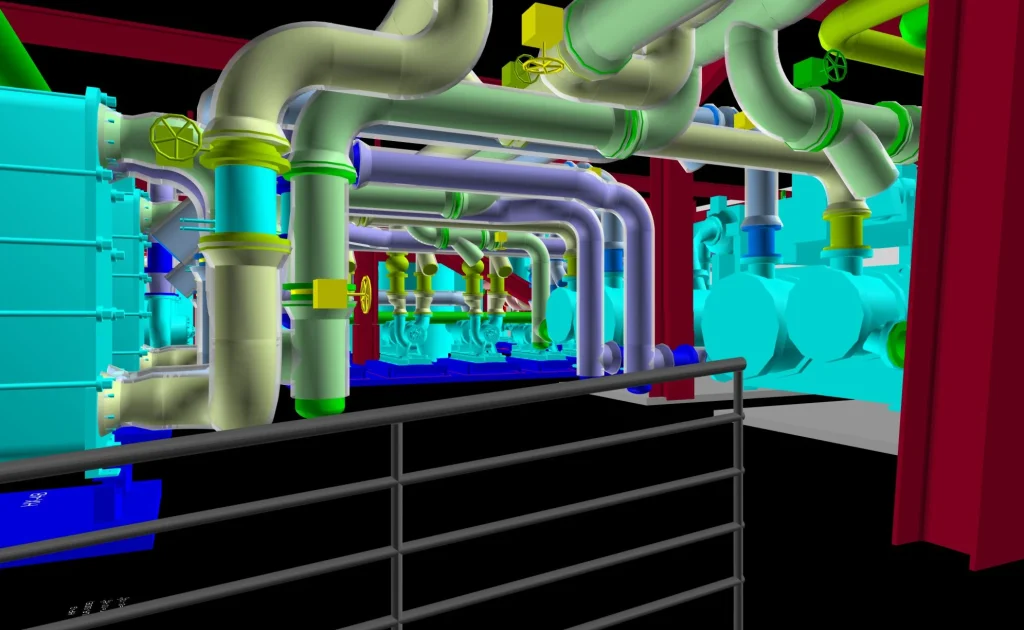
Sustainability has become a cornerstone of contemporary construction, prompting the integration of eco-friendly practices and advanced technologies. In this landscape, MEP Mechanical, Electrical, Plumbing services play a pivotal role in driving sustainability within the construction industry. Let’s delve deeper into how MEP services contribute to sustainable construction practices and the broader impact they hold. Understanding MEP Services MEP service encompass a wide array of critical systems vital for the functionality and efficiency of any building. These systems include heating, ventilation, air conditioning (HVAC), lighting, electrical, plumbing, fire protection, and more. Their primary function is to ensure a comfortable, safe, and functional environment within a structure. Enhancing Energy Efficiency One of the primary focuses of MEP service in sustainable construction is optimizing energy efficiency. HVAC systems, for instance, are pivotal in regulating indoor temperatures effectively while minimizing energy consumption. Integration of energy-efficient systems, like high-efficiency HVAC units and LED lighting, significantly reduces the overall energy demand of a building. Implementing Renewable Energy Sources MEP services facilitate the incorporation of renewable energy sources into building designs. Through the installation of solar panels, wind turbines, or geothermal heating systems, buildings can generate their own sustainable energy, decreasing reliance on conventional power sources and reducing the carbon footprint. Water Conservation and Management Plumbing systems in MEP services are tailored to conserve water through innovative fixtures and water-efficient designs. Low-flow faucets, water-saving toilets, and rainwater harvesting systems are integrated into buildings to minimize water wastage, contributing to sustainable water management. Ensuring Indoor Air Quality The quality of indoor air significantly impacts occupant health and comfort. MEP service include sophisticated ventilation systems that promote proper air circulation, filtering out pollutants and enhancing indoor air quality. Additionally, these systems regulate humidity levels to prevent mold growth, ensuring a healthier living environment. Adoption of Smart Technologies Integration of smart technologies within MEP service enhances the operational efficiency of building systems. Building Management Systems (BMS) or Building Automation Systems (BAS) monitor and control MEP systems, optimizing their performance. These systems leverage data analytics to identify patterns and inefficiencies, allowing for proactive adjustments and energy savings. Challenges and Innovations Despite the significant strides made in MEP services for sustainability, challenges persist. These include the initial cost of implementing green technologies, complexities in retrofitting existing structures, and the need for skilled professionals capable of handling these advanced systems. However, ongoing innovations in materials, design approaches, and technology offer promising solutions to these challenges. Innovations in MEP Service Advancements in MEP service have paved the way for innovative solutions that revolutionize sustainable construction. Smart MEP technologies, for instance, enable buildings to adapt to changing environmental conditions. These systems utilize sensors and data analytics to automatically adjust lighting, temperature, and ventilation, optimizing energy usage while maintaining comfort levels. Integration of Building Information Modeling (BIM) BIM has emerged as a game-changer in the construction industry, and its integration with MEP service is no exception. BIM allows for comprehensive digital modeling of MEP systems, facilitating efficient design, clash detection, and accurate cost estimation. This technology streamlines the installation process, minimizes errors, and maximizes the efficiency of MEP systems. Lifecycle Analysis and Building Performance MEP service contribute significantly to a building’s lifecycle analysis. Through energy modeling and simulations, MEP engineers can predict a structure’s energy consumption, helping developers make informed decisions about system design and material selection to reduce long-term operational costs and environmental impact. Regulatory Compliance and Green Certifications Governments worldwide are enforcing stringent regulations and standards to encourage sustainable construction practices. MEP service ensure compliance with these regulations, such as energy codes and green building certifications like LEED (Leadership in Energy and Environmental Design) or BREEAM (Building Research Establishment Environmental Assessment Method). These certifications acknowledge buildings that meet specific sustainability criteria, further incentivizing sustainable construction. The Impact on Occupant Well-being Beyond the environmental benefits, MEP service significantly impact occupant well-being. Comfortable indoor environments foster productivity, improve health, and enhance overall satisfaction for building occupants. Properly designed MEP systems regulate temperature, humidity, and air quality, creating spaces conducive to well-being. Collaborative Approach and Industry Trends The drive for sustainable construction has led to increased collaboration among architects, engineers, contractors, and developers. This collaborative approach integrates various disciplines early in the design phase, fostering innovative solutions that prioritize sustainability. Moreover, emerging trends like net-zero energy buildings and the circular economy further underscore the importance of MEP service in achieving sustainable construction goals. Conclusion MEP services stand as the backbone of sustainable construction, spearheading efforts to minimize environmental impact while enhancing comfort and functionality in buildings. ENGISOFT ENGINEERING – BIM Staffing & BIM Services. Their integration and continuous innovation not only drive efficiency but also align with the global movement towards environmentally conscious practices in construction.

Read More
Engineering companies in Dubai

The Role of Engineering Companies in Dubai Infrastructure

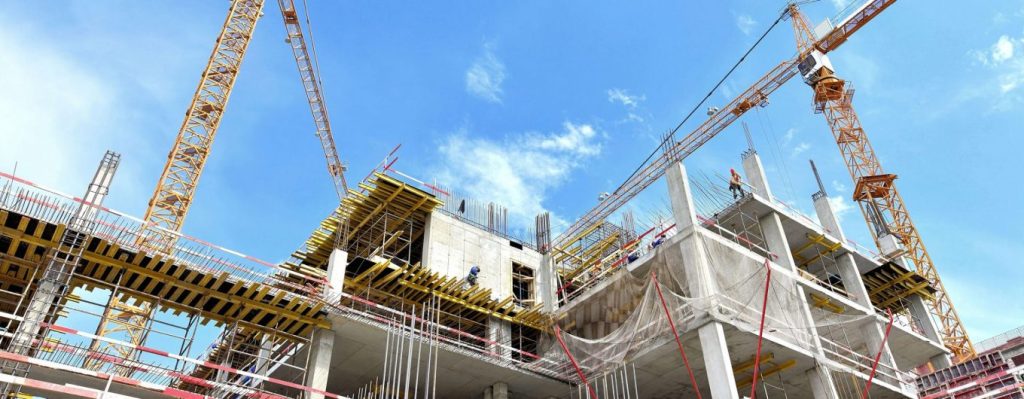
Dubai, known for its iconic skyline and ambitious projects, stands as a testament to the remarkable feats of engineering that have shaped the city’s landscape. Behind every towering skyscraper, sprawling highway, and cutting-edge infrastructure lies the expertise and innovation of engineering companies dedicated to pushing the boundaries of what’s possible. In this blog, we delve into the behind-the-scenes role of engineering companies in Dubai’s infrastructure, exploring their contributions, challenges, and the future of engineering in the city. Building the Foundations Dubai’s rapid development over the past few decades has been fueled by a vision of progress and innovation. Engineering companies have played a pivotal role in turning this vision into reality, providing the technical expertise and know-how needed to design, plan, and construct the city’s infrastructure. From roads and bridges to utilities and transportation systems, engineering firms have been instrumental in building the foundations upon which Dubai’s growth and prosperity rest. Innovating for the Future Innovation lies at the heart of Dubai’s engineering endeavors, driving the city’s quest to become a global leader in sustainable urban development and smart infrastructure. Engineering companies in Dubai are at the forefront of adopting cutting-edge technologies such as Building Information Modeling (BIM), drones, and advanced materials to optimize project delivery, enhance efficiency, and minimize environmental impact. Through innovation, these companies are reshaping Dubai’s infrastructure landscape and setting new benchmarks for excellence in engineering. Infrastructure Mega-Projects Dubai is home to some of the world’s most ambitious infrastructure projects, many of which are spearheaded by engineering companies that specialize in large-scale and complex developments. Projects such as the Palm Jumeirah, Dubai Marina, and the Dubai Metro are just a few examples of the engineering marvels that have transformed the city’s skyline and enhanced its connectivity. Behind these iconic projects are teams of engineers, architects, and planners who collaborate tirelessly to bring grand visions to life. Sustainability and Resilience As Dubai continues to grow and expand, sustainability and resilience have emerged as key priorities for its infrastructure development. Engineering companies are increasingly focused on incorporating sustainable design principles, renewable energy solutions, and resilient infrastructure systems into their projects to minimize environmental impact and enhance long-term viability. From green buildings to smart grids, these initiatives are shaping Dubai’s infrastructure to be more sustainable, efficient, and resilient in the face of future challenges. Challenges and Opportunities Despite the remarkable progress made in Dubai’s infrastructure development, engineering companies face a myriad of challenges ranging from regulatory hurdles and economic uncertainties to technical complexities and resource constraints. However, these challenges also present opportunities for innovation, collaboration, and growth. By embracing emerging technologies, fostering partnerships, and adopting a forward-thinking approach, engineering companies can overcome these challenges and continue to drive progress in Dubai’s infrastructure sector. Challenges in Infrastructure Development Despite the remarkable progress made in Dubai’s infrastructure development, engineering companies face a range of challenges that require innovative solutions and strategic planning. Regulatory hurdles, economic uncertainties, and geopolitical factors can impact project timelines and budgets. Additionally, the technical complexities of designing and constructing large-scale infrastructure projects require careful coordination and expertise. Furthermore, resource constraints, such as limited availability of skilled labor and materials, can pose significant challenges to project delivery. Opportunities for Innovation Amidst these challenges, engineering companies in Dubai are presented with numerous opportunities for innovation and growth. The city’s commitment to sustainability and smart urban development creates a fertile ground for the adoption of cutting-edge technologies and practices. Engineering firms can leverage advancements in digitalization, automation, and sustainable design to optimize project delivery, enhance efficiency, and minimize environmental impact. Collaborative partnerships with government agencies, academic institutions, and industry stakeholders also present opportunities for knowledge sharing, research, and development. Looking Ahead As Dubai prepares to host Expo 2020 and embarks on its ambitious Dubai 2040 Urban Master Plan, the role of engineering companies in shaping the city’s future has never been more critical. From sustainable transportation systems to resilient urban infrastructure, the challenges and opportunities facing Dubai’s infrastructure sector are immense. However, with the expertise, innovation, and determination of engineering companies, Dubai is poised to continue its journey towards becoming a global hub for innovation, sustainability, and prosperity. Conclusion Engineering companies play a vital behind-the-scenes role in shaping Dubai’s infrastructure, driving progress, innovation, and sustainability. ENGISOFT ENGINEERING – BIM Staffing & BIM Services from building iconic landmarks to designing resilient infrastructure systems, these companies are instrumental in shaping the city’s future and enhancing the quality of life for its residents. As Dubai continues to evolve and grow, the contributions of engineering companies will remain indispensable, ensuring that the city remains at the forefront of global innovation and development.

Read More
Architectural Engineering Consultants

The Art of Collaboration Architectural Engineering Consultants in Action

In the intricate dance of creating iconic buildings and sustainable infrastructure, architectural engineering consultants play a pivotal role. Their expertise bridges the gap between architectural vision and engineering feasibility, ensuring that structures not only stand tall but also function seamlessly. However, what truly sets architectural consultants apart is their ability to collaborate effectively with architects, engineers, and stakeholders to turn dreams into reality. In this blog, we delve into the art of collaboration, exploring how architectural consultants work together with diverse teams to deliver exceptional projects that shape our built environment. Understanding Architectural Engineering Consulting Architectural consulting is a multifaceted discipline that integrates architectural design principles with engineering expertise to develop innovative and sustainable solutions for building projects. These consultants bring together a diverse set of skills, including structural engineering, mechanical systems design, environmental analysis, and construction management, to address the complex challenges inherent in modern building design and construction. The Importance of Collaboration Multidisciplinary Approach: Architectural consultants collaborate closely with architects, structural engineers, mechanical engineers, and other professionals to ensure that all aspects of a building project are integrated seamlessly. This multidisciplinary approach fosters innovation and allows for the optimization of design solutions. Client Engagement: Effective collaboration with clients is essential for understanding their vision, requirements, and goals for the project. Architectural consultants actively engage with clients throughout the design and construction process to ensure that their needs are met and expectations are exceeded. Stakeholder Alignment: Building projects often involve multiple stakeholders, including developers, contractors, government agencies, and community groups. Architectural engineering facilitate communication and collaboration among these stakeholders to ensure that project objectives are aligned and potential conflicts are resolved proactively. The Collaborative Process Conceptual Design: At the outset of a project, architectural engineering consultants collaborate with architects to develop initial design concepts that balance aesthetic considerations with engineering requirements. This collaborative brainstorming process lays the foundation for the project’s design direction. Design Development: As the design evolves, architectural consultants work closely with structural engineers, mechanical engineers, and other specialists to refine the technical details and ensure that the building’s systems are integrated seamlessly. This collaborative effort involves iterative feedback and coordination to resolve design conflicts and optimize performance. Construction Documentation: Architectural consultants are responsible for preparing detailed construction documents that translate the design intent into actionable plans and specifications. This phase requires close collaboration with contractors and subcontractors to ensure that the construction documents are accurate, comprehensive, and feasible. Construction Administration: During the construction phase, architectural consultants provide ongoing support to the construction team, reviewing submittals, responding to requests for information (RFIs), and conducting site visits to ensure that the project is built according to the design intent. This collaborative oversight helps to address any issues or discrepancies that arise during construction and maintain quality control. Case Studies in Collaboration Burj Khalifa Dubai: Architectural consultants collaborated with architects, structural engineers, and contractors to design and construct the world’s tallest building. This landmark project required innovative structural solutions and close coordination to overcome technical challenges and achieve the client’s vision. The High Line, New York City: Architectural engineering consultants played a key role in the adaptive reuse of an elevated railway into a public park. This transformative project involved collaboration with landscape architects, urban planners, and community stakeholders to create a unique and sustainable green space in the heart of Manhattan. Future Trends in Collaboration Digital Collaboration Tools: Architectural consultants are increasingly leveraging digital collaboration tools such as Building Information Modeling (BIM) and cloud-based project management platforms to streamline communication, facilitate real-time collaboration, and improve project efficiency. Integrated Project Delivery (IPD): IPD is an innovative project delivery approach that promotes collaboration and shared risk among project stakeholders. Architectural consultants are embracing IPD principles to foster greater collaboration, innovation, and value creation throughout the project lifecycle. Conclusion In the fast-paced world of architectural engineering consultants, collaboration is not just a buzzword—it’s the cornerstone of success. ENGISOFT ENGINEERING – BIM Staffing & BIM Services By working together with architects, engineers, clients, and stakeholders, architectural consultants harness the collective expertise, creativity, and ingenuity needed to deliver exceptional projects that inspire, endure, and enrich our built environment. As we look to the future, the art of collaboration will continue to drive innovation, sustainability, and excellence in architectural engineering consulting, shaping a brighter future for generations to come.

Read More

TECH CONFERENCE 2021 LONDON

Interdum iusto pulvinar consequuntur augu s est odit mi quosliquid sempero ipsum dolor sit amet, cons ectetur adipiscing elit orto ulum non mollis woiur pokju solti metus.

HOME LAB OPEN STUDIOS

Interdum iusto pulvinar consequuntur augu s est odit mi quosliquid sempero ipsum dolor sit amet, cons ectetur adipiscing elit orto ulum non mollis woiur pokju solti metus.

SOCIAL MEDIA

Subscribe To Our Newsletter

Scroll to Top

Nullam quis risus eget urna mollis ornare vel eu leo. Aenean lacinia bibendum nulla sed 

Subscribe to get 15% discount