
BLOG

The only thing standing between you and your goal is the bullshit story you keep telling yourself as to why you can’t achieve it.
engisoft

Beyond Blueprints: Transforming Infrastructure BIM Services

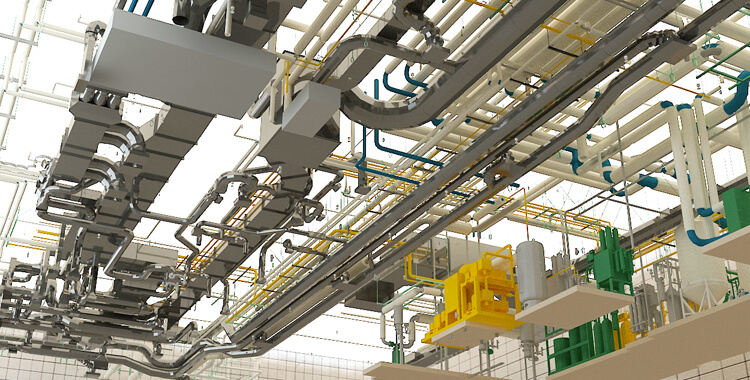
In the realm of infrastructure development, the integration of technology has revolutionized traditional practices. Building Information Modeling (BIM) stands at the forefront of this revolution, reshaping how infrastructure projects are conceptualized, designed, and executed. Beyond mere blueprints, BIM services offer a comprehensive digital representation of physical and functional characteristics, fostering collaboration, efficiency, and sustainability throughout the project lifecycle. Let’s delve deeper into the transformative power of BIM services in Infrastructure BIM Services. Understanding BIM Services At its core, BIM is a digital representation of physical and functional characteristics of places. Unlike traditional 2D drawings, BIM encompasses three-dimensional models enriched with data attributes. This digital twin not only visualizes the structure but also incorporates information about materials, geometry, spatial relationships, and more. BIM services encompass a spectrum of functionalities, including architectural, structural, and MEP (Mechanical, Electrical, Plumbing) coordination, clash detection, quantity takeoffs, scheduling, and facility management. Enhanced Collaboration and Coordination One of the key benefits of BIM services is enhanced collaboration among project stakeholders. By centralizing project information in a shared digital environment, architects, engineers, contractors, and owners can collaborate seamlessly, regardless of their geographical locations. Real-time updates and cloud-based access ensure that all stakeholders are working with the latest data, reducing errors and misunderstandings. Additionally, BIM facilitates clash detection, identifying conflicts between different building systems before construction commences, thereby minimizing costly rework and delays. Efficiency in Design and Construction BIM services streamline the design and construction processes, leading to greater efficiency and cost savings. With BIM, architects and engineers can create detailed 3D models that allow for better visualization and simulation of design alternatives. These models enable early identification of design flaws and optimization opportunities, leading to improved building performance and sustainability. Furthermore, BIM facilitates off-site prefabrication and modular construction by providing accurate digital representations that manufacturers can use for fabrication, reducing on-site labor and construction time. Data-Driven Decision Making In addition to geometric information, BIM enriches models with non-graphical data, such as material properties, cost estimates, and performance specifications. This data-driven approach enables informed decision-making throughout the project lifecycle. Owners can evaluate different design options based on cost, energy efficiency, and lifecycle performance, ultimately selecting the most suitable solution. During construction, project managers can track progress, manage resources, and anticipate potential delays using real-time data from the BIM model, enabling proactive decision-making to keep projects on schedule and within budget. Architecture and Urban Planning BIM has transformed the way architects and urban planners conceptualize and design buildings and cityscapes. By creating detailed digital models of entire city blocks or urban developments, planners can simulate different scenarios, assess the impact of proposed changes, and optimize the layout for maximum efficiency and livability. From reducing traffic congestion to improving pedestrian access and green spaces, BIM enables holistic urban planning that prioritizes sustainability and quality of life. Transportation and Infrastructure In the transportation sector, BIM is instrumental in the design, construction, and maintenance of roads, bridges, railways, and airports. For example, highway engineers use BIM to visualize traffic flow, analyze safety features, and optimize road alignments for maximum efficiency and safety. Similarly, bridge designers leverage BIM to simulate structural behavior, analyze load-bearing capacity, and identify potential maintenance issues before they occur, ensuring the longevity and resilience of critical Infrastructure BIM Services assets. Energy and Utilities BIM plays a crucial role in the design and construction of energy and utility infrastructure, including power plants, substations, pipelines, and water treatment facilities. By integrating BIM with Geographic Information Systems (GIS), utilities can create accurate digital models of their assets, enabling better asset management, predictive maintenance, and emergency response. For example, water utilities use BIM to map underground pipelines, identify leaks, and optimize distribution networks, leading to improved water quality, reliability, and efficiency. Lifecycle Management and Facility Operation The benefits of BIM extend beyond the construction phase into facility management and operation. The digital twin created during design and construction becomes a valuable asset for facility managers, providing a comprehensive database of building information accessible through integrated facility management software. From maintenance schedules to asset tracking, BIM facilitates efficient operation and maintenance, prolonging the lifespan of infrastructure assets and maximizing return on investment. Additionally, as-built documentation generated from the BIM model ensures that owners have accurate records of the building’s components and systems, facilitating future renovations and upgrades. Conclusion BIM services represent not only a technological advancement but also a paradigm shift in how we approach Infrastructure BIM Services. By harnessing the power of BIM, stakeholders can create more resilient, efficient, and sustainable infrastructure that meets the needs of present and future generations. As we continue to embrace BIM and integrate it into our practices, we pave the way for a brighter, more connected future.
Read More
engisoft

Building Smarter Transforming Infrastructure with BIM Services

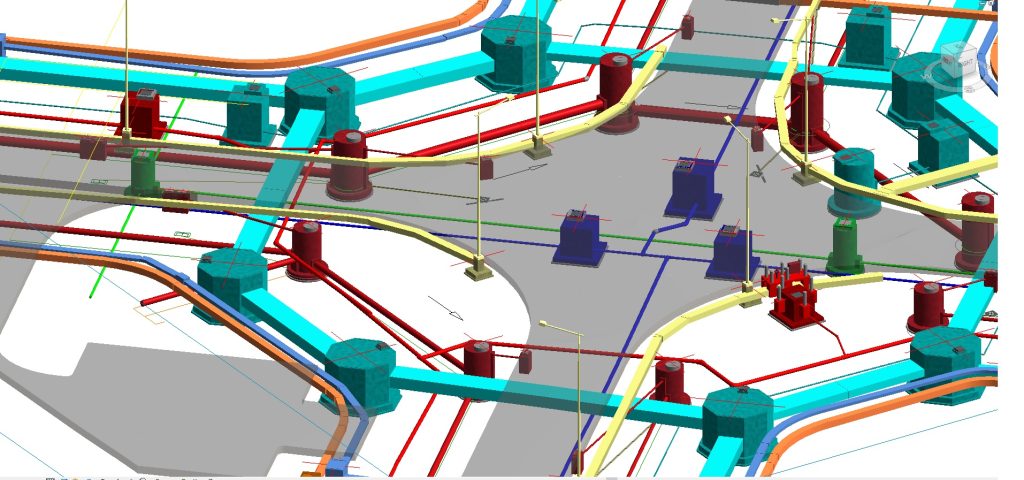
In today’s rapidly evolving world, the construction industry stands at the brink of a significant transformation, fueled by technological advancements and innovative approaches. Among these advancements, Building Information Modeling (BIM) has emerged as a game-changer, revolutionizing the way Infrastructure BIM Services projects are designed, constructed, and managed. With its ability to enhance collaboration, streamline workflows, and improve decision-making, BIM services have become indispensable for building smarter and more efficient infrastructure. Understanding BIM At its core, BIM is a digital representation of physical and functional characteristics of a facility. Unlike traditional 2D drawings, BIM incorporates three-dimensional, real-time information that encompasses geometry, spatial relationships, geographic information, and quantities of building components. This comprehensive digital model serves as a shared knowledge resource for information about a facility, forming a reliable basis for decision-making throughout its lifecycle. Streamlining Design and Planning One of the key benefits of BIM services lies in its ability to streamline the design and planning phases of Infrastructure BIM Services projects. By creating a virtual model of the project, stakeholders can visualize different design options, identify potential clashes or conflicts, and optimize various aspects such as space utilization, structural integrity, and energy efficiency. This iterative design process not only improves the quality of the final design but also helps in reducing costs and mitigating risks associated with rework or design errors. Enhancing Collaboration and Communication Effective collaboration among project stakeholders is essential for the successful delivery of infrastructure projects. BIM facilitates this collaboration by providing a centralized platform where architects, engineers, contractors, and other stakeholders can work together in real-time, regardless of their physical location. This seamless exchange of information fosters better communication, coordination, and integration across different disciplines, leading to improved project outcomes and reduced delays. Optimizing Construction and Operations During the construction phase, BIM plays a crucial role in optimizing construction sequencing, logistics, and resource allocation. By simulating construction activities within the digital model, contractors can identify potential conflicts, plan work sequences more efficiently, and optimize the use of materials and resources. This not only helps in reducing construction time and costs but also minimizes disruptions and enhances safety on the job site. Furthermore, BIM services extend beyond the construction phase to support facility management and operations. The digital model serves as a valuable asset for facility managers, providing them with accurate and up-to-date information about the building’s components, systems, and maintenance requirements. By leveraging this information, facility managers can optimize maintenance schedules, predict and prevent failures, and ensure the long-term sustainability and performance of the Infrastructure BIM Services. Driving Innovation and Sustainability BIM services are driving innovation and sustainability in the construction industry by enabling the adoption of advanced technologies and practices. Through parametric modeling, generative design, and simulation tools, architects and engineers can explore innovative design solutions that optimize performance, minimize environmental impact, and enhance occupant comfort. Additionally, BIM supports the integration of sustainable materials, energy-efficient systems, and renewable energy sources into the design and construction process, aligning Infrastructure BIM Services projects with broader sustainability goals. Challenges and Opportunities While the adoption of BIM services offers significant benefits, it also presents challenges that need to be addressed. These include the need for standardized processes and protocols, the requirement for specialized skills and training, and the investment in technology and infrastructure. However, with the right strategies and partnerships in place, these challenges can be overcome, unlocking the full potential of BIM to transform the infrastructure industry. Conclusion Building Information Modeling (BIM) services are revolutionizing the way Infrastructure BIM Services projects are designed, constructed, and managed. By leveraging digital technologies, collaborative workflows, and data-driven insights, BIM enables stakeholders to build smarter, more efficient, and sustainable infrastructure. As we continue to embrace innovation and embrace the opportunities offered by BIM, we are poised to create a built environment that meets the needs of today while safeguarding the interests of future generations.

Read More

From Concept to Reality The Power of BIM Structural Modeling Services

In the realm of architecture, engineering, and construction (AEC), the transition from concept to reality is a pivotal journey marked by numerous challenges and opportunities. Among the most significant advancements aiding this journey is Building Information Modeling (BIM) structural modeling services. BIM has revolutionized the industry by providing a comprehensive digital representation of a building’s physical and functional characteristics. In this article, we delve into the transformative power of BIM structural modeling services, exploring how they streamline the construction process, enhance collaboration, and drive efficiency from conception to completion. Understanding BIM Structural Modeling Before delving into its advantages, it’s essential to grasp what BIM structural modeling entails. At its core, BIM is a digital representation of a building’s physical and functional characteristics. Unlike traditional 2D drawings or sketches, BIM incorporates three-dimensional (3D) models enriched with data attributes, allowing stakeholders to visualize, simulate, and analyze various aspects of a structure throughout its lifecycle. In the context of structural engineering, BIM facilitates the creation of accurate digital models of building components, including beams, columns, slabs, and foundations, among others. Streamlining the Design Process One of the primary benefits of BIM structural modeling services lies in their ability to streamline the design process. Traditionally, architects and engineers relied on 2D drawings, which often led to discrepancies, errors, and inefficiencies during construction. With BIM, however, stakeholders can collaborate in a virtual environment, creating and refining 3D models that accurately represent the intended design. This collaborative approach minimizes conflicts and ensures that structural elements fit seamlessly within the architectural vision, reducing the need for costly rework and delays. Moreover, BIM enables parametric modeling, allowing designers to explore multiple iterations of a structure quickly. By adjusting parameters such as dimensions, materials, and structural systems, architects and engineers can evaluate various design options and their corresponding impacts on performance, cost, and sustainability. This iterative process empowers decision-makers to make informed choices early in the design phase, optimizing the overall efficiency and effectiveness of the project. Enhancing Coordination and Collaboration Effective coordination and collaboration are paramount to the success of any construction project. BIM structural modeling services facilitate seamless communication among multidisciplinary teams, including architects, structural engineers, MEP (mechanical, electrical, plumbing) consultants, contractors, and owners. By centralizing project data within a shared BIM environment, stakeholders can access real-time information, track changes, and resolve conflicts collaboratively. For instance, clashes between structural elements and building systems, such as HVAC ducts or electrical conduits, can be detected and addressed during the design phase, minimizing costly revisions during construction. Furthermore, BIM enables the integration of scheduling and cost information, allowing stakeholders to assess the impacts of design decisions on project timelines and budgets comprehensively. Improving Visualization and Simulation Visualization and simulation play crucial roles in understanding complex structural systems and evaluating their performance under various conditions. BIM structural modeling services provide stakeholders with advanced visualization tools that enhance comprehension and decision-making throughout the project lifecycle. By rendering 3D models with realistic materials, textures, and lighting effects, designers can present their concepts more effectively to clients, regulatory authorities, and other project stakeholders. Additionally, BIM facilitates structural analysis and simulation, allowing engineers to assess the behavior of building components under different loads, environmental conditions, and design scenarios. From analyzing structural stability and integrity to optimizing material utilization and minimizing waste, these simulations empower engineers to design safer, more efficient structures that meet or exceed regulatory requirements and industry standards. Facilitating Lifecycle Management Beyond the construction phase, BIM structural modeling services support comprehensive lifecycle management, enabling owners and facility managers to optimize the operation, maintenance, and renovation of their assets. By incorporating as-built data into the BIM model, including information on materials, equipment, and maintenance schedules, stakeholders can create digital twins that mirror the physical reality of the building. These digital twins serve as invaluable assets for facility management, allowing owners to monitor performance, track maintenance activities, and plan renovations or retrofits proactively. By leveraging data analytics and predictive modeling, owners can optimize energy consumption, improve occupant comfort, and prolong the lifespan of their assets, ultimately maximizing return on investment over time. Conclusion BIM structural modeling services represent a paradigm shift in the AEC industry, empowering stakeholders to translate concepts into reality with unprecedented efficiency and accuracy. From streamlining the design process and enhancing coordination to improving visualization and simulation, BIM fosters collaboration and innovation at every stage of a construction project. Furthermore, by facilitating comprehensive lifecycle management, BIM ensures that buildings remain assets of enduring value long after their completion. As technology continues to evolve, the transformative power of BIM will undoubtedly shape the future of architecture, engineering, and construction for years to come.

Read More
engisoft

BIM Structural Modeling Services at Their Pinnacle

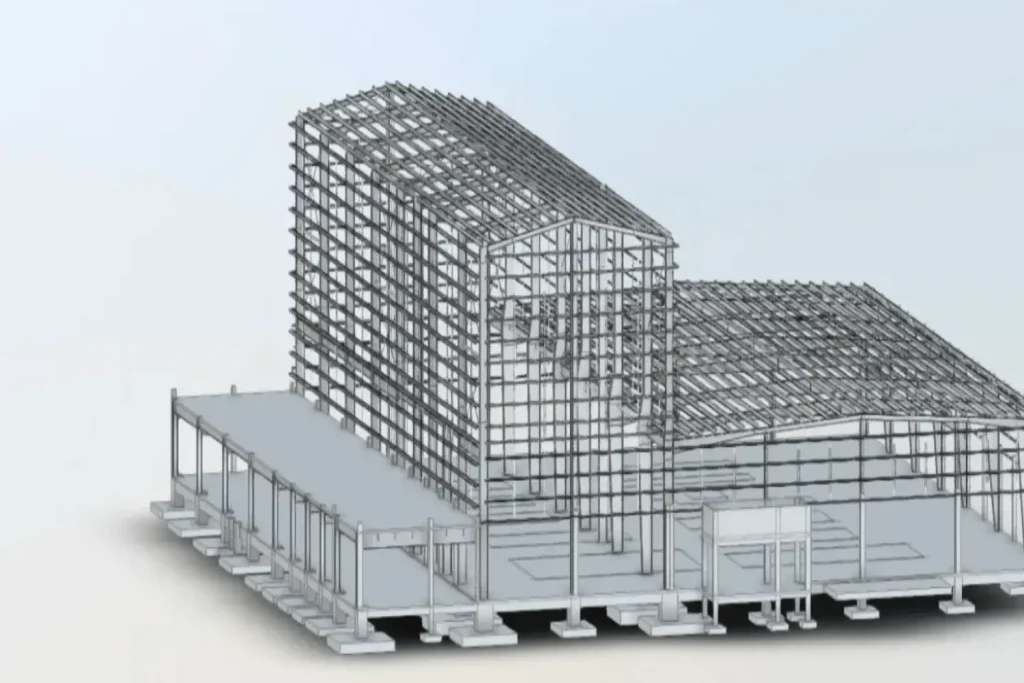
In the realm of modern construction, Building Information Modeling (BIM) stands tall as a cornerstone of innovation and efficiency. Within the expansive domain of BIM, structural modeling services emerge as the bedrock upon which architectural dreams are erected. From towering skyscrapers to intricate bridges, BIM structural modeling services exemplify engineering excellence at its zenith. Understanding BIM Structural Modeling At its essence, BIM structural modeling is a digital representation of a building’s physical and functional characteristics. Unlike traditional 2D drawings, BIM incorporates three-dimensional elements, offering a holistic view of the structure. This digital paradigm shift enables architects, engineers, and contractors to collaborate seamlessly, fostering greater synergy and efficiency throughout the project lifecycle. The Evolution of Structural Modeling The evolution of structural modeling mirrors the technological advancements of the digital age. From rudimentary CAD software to sophisticated BIM platforms, the journey has been one of continuous innovation. Today, cutting-edge tools such as Revit, Tekla Structures, and AutoCAD Civil 3D empower engineers to create intricate structural models with unprecedented precision and detail. The Pillars of Excellence in BIM Structural Modeling Precision Engineering Central to BIM structural modeling is the pursuit of precision. Every beam, column, and brace is meticulously crafted to exacting standards, ensuring structural integrity and safety. By leveraging advanced analysis and simulation tools, engineers can anticipate and mitigate potential design flaws, minimizing rework and maximizing efficiency. Collaboration & Integration BIM thrives on collaboration. Through cloud-based platforms and real-time sharing capabilities, stakeholders can synchronize their efforts seamlessly, transcending geographical boundaries and time constraints. Architects, engineers, and contractors converge on a unified digital platform, exchanging insights and feedback in pursuit of a shared vision. Sustainability & Lifecycle Management Beyond the construction phase, BIM extends its reach into the realm of sustainability and lifecycle management. By incorporating data on materials, energy consumption, and maintenance requirements, BIM empowers stakeholders to make informed decisions that optimize resource utilization and minimize environmental impact. From conceptual design to decommissioning, the lifecycle of a structure is meticulously orchestrated for maximum efficiency and longevity. Applications of BIM Structural Modeling High-Rise Buildings In the realm of high-rise construction, BIM Structural Modeling Services reigns supreme. From conceptual design to as-built documentation, BIM facilitates every stage of the construction process. By simulating structural loads, wind forces, and seismic impacts, engineers can optimize the design for stability and resilience, ensuring the safety of occupants for generations to come. Bridges & Infrastructure BIM’s influence extends far beyond buildings, encompassing bridges, tunnels, and other critical infrastructure projects. Through parametric modeling and finite element analysis, engineers can simulate the complex interactions of forces and materials, optimizing the design for durability and performance. Whether spanning vast waterways or traversing rugged terrain, BIM enables engineers to push the boundaries of what’s possible in structural engineering. Industrial Facilities In the realm of industrial facilities, BIM offers unparalleled efficiency and flexibility. From manufacturing plants to power stations, BIM streamlines the design and construction process, minimizing downtime and maximizing productivity. By integrating MEP (mechanical, electrical, plumbing) systems with structural elements, engineers can optimize spatial layout and operational efficiency, ensuring smooth and seamless functionality. The Future of BIM Structural Modeling As technology continues to evolve, so too will the field of BIM structural modeling. Augmented reality (AR), virtual reality (VR), and artificial intelligence (AI) are poised to revolutionize the way we design, construct, and manage structures. Imagine donning a VR headset to explore a virtual construction site or deploying AI algorithms to optimize structural performance in real-time. The possibilities are as boundless as our imagination. Conclusion In the ever-evolving landscape of construction, BIM Structural Modeling Services stands as a beacon of excellence and innovation. By embracing precision engineering, collaborative integration, and sustainable lifecycle management, BIM empowers stakeholders to realize their architectural aspirations with unparalleled efficiency and efficacy. As we chart a course towards a more sustainable and resilient future, BIM will continue to serve as the cornerstone of engineering excellence, shaping the skylines of tomorrow and beyond.

Read More
Mep Bim Modeling Services

The Role of BIM Structural Modeling in Dubai Construction Projects

Dubai is renowned for its ambitious and visually stunning construction projects, which redefine the possibilities of modern architecture. From towering skyscrapers to revolutionary designs, these structures demand precise planning and execution. BIM Structural Modeling Services have emerged as a critical component in this process, enabling the successful realization of complex designs that Dubai is famous for. This article explores how BIM Structural Modeling is integral to crafting some of the most iconic buildings in Dubai. Understanding BIM Structural Modeling Before diving into its applications, it’s important to understand what BIM Structural Modeling Services entail. BIM, or Building Information Modeling, is a process involving the generation and management of digital representations of physical and functional characteristics of places. Structural modeling specifically focuses on the simulation of the building’s skeleton, providing detailed insights into the structural elements of the building before actual construction begins. This modeling includes data-rich 3D models that allow architects, engineers, and construction teams to visualize structural components in a simulated environment. This visualization supports better decision-making throughout the construction process, ensuring accuracy and efficiency. Enhancing Design Accuracy One of the most significant advantages of BIM Structural Modeling Services is the enhancement of design accuracy. Dubai’s skyline is packed with complex structures that require a high level of precision. BIM helps in detecting potential structural issues early in the design phase, which reduces the risk of costly errors during construction. The use of BIM Structural Modeling Services in Dubai has led to improved coordination among various teams working on a project. Since the model is based on real-time data, any changes in design are immediately reflected throughout the model. This synchronicity ensures that all team members have up-to-date information, which is essential for maintaining design integrity. Streamlining Construction Processes BIM Structural Modeling Services streamline the construction process by providing detailed information that can be accessed by all stakeholders at any time. This easy access to detailed, accurate models helps in quick decision-making and better management of resources. In Dubai, where construction timelines are often tight and projects expansive, BIM’s ability to streamline processes is invaluable. For instance, BIM models can simulate different construction scenarios, allowing project managers to plan the most effective construction strategies. This not only speeds up the construction process but also ensures safety by identifying potential risks in the virtual environment before they can become an issue on the site. Cost Management Managing costs is a critical aspect of any construction project, and BIM Structural Modeling Services contribute significantly to cost efficiency. By providing a clear picture of the structural aspects of a building, BIM helps in accurate material estimation, which reduces waste. Furthermore, by identifying potential structural challenges early in the design phase, BIM helps in avoiding expensive modifications during the later stages of construction. In Dubai, where projects often involve substantial investment, the ability to manage costs through effective planning and reduced waste can make a significant difference in the overall budget of a construction project. Sustainability in Construction Dubai is increasingly focusing on sustainability in its construction projects, and BIM Structural Modeling Services play a role in this area as well. BIM helps project teams evaluate the environmental impact of their structural choices and find ways to minimize negative effects. For example, BIM can be used to simulate energy efficiency and assess the carbon footprint of various structural materials and techniques, allowing for more sustainable decision-making. Case Studies in Dubai Many of Dubai’s iconic constructions, such as the Burj Khalifa and the Dubai Mall, have benefited from BIM Structural Modeling Services. These services allowed for intricate designs to be executed with a high degree of precision, ensuring that these structures not only look spectacular but are also safe, sustainable, and built to last. Conclusion As Dubai continues to push the boundaries of what is possible in architecture and construction, BIM Structural Modeling Services will play an increasingly important role. These services provide the tools necessary to bring visionary structures to life, ensuring they are built efficiently, safely, and within budget. For anyone involved in construction in Dubai, understanding and leveraging BIM Structural Modeling is not just an advantage—it’s essential. ENGISOFT ENGINEERING – BIM Staffing BIM Services continue to innovate and grow, our reliance on sophisticated tools like BIM Structural Modeling Services will only increase, solidifying their role in shaping the future of Dubai’s iconic skyline.

Read More

TECH CONFERENCE 2021 LONDON

Interdum iusto pulvinar consequuntur augu s est odit mi quosliquid sempero ipsum dolor sit amet, cons ectetur adipiscing elit orto ulum non mollis woiur pokju solti metus.

HOME LAB OPEN STUDIOS

Interdum iusto pulvinar consequuntur augu s est odit mi quosliquid sempero ipsum dolor sit amet, cons ectetur adipiscing elit orto ulum non mollis woiur pokju solti metus.

SOCIAL MEDIA

Subscribe To Our Newsletter

Scroll to Top

Nullam quis risus eget urna mollis ornare vel eu leo. Aenean lacinia bibendum nulla sed 

Subscribe to get 15% discount