BLOG

The only thing standing between you and your goal is the bullshit story you keep telling yourself as to why you can’t achieve it.

BIM Clash Detection Benefits and Best Practices: Reducing Conflicts in Modern Construction

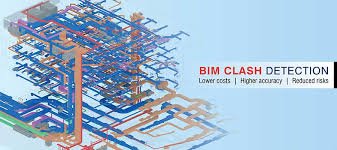
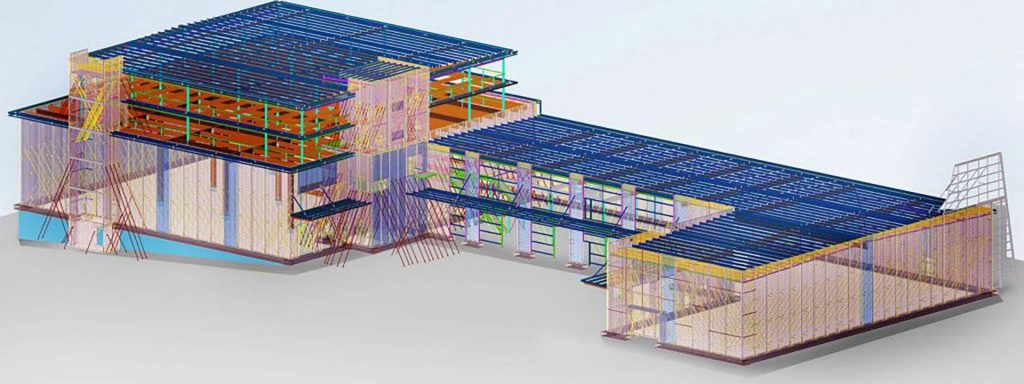
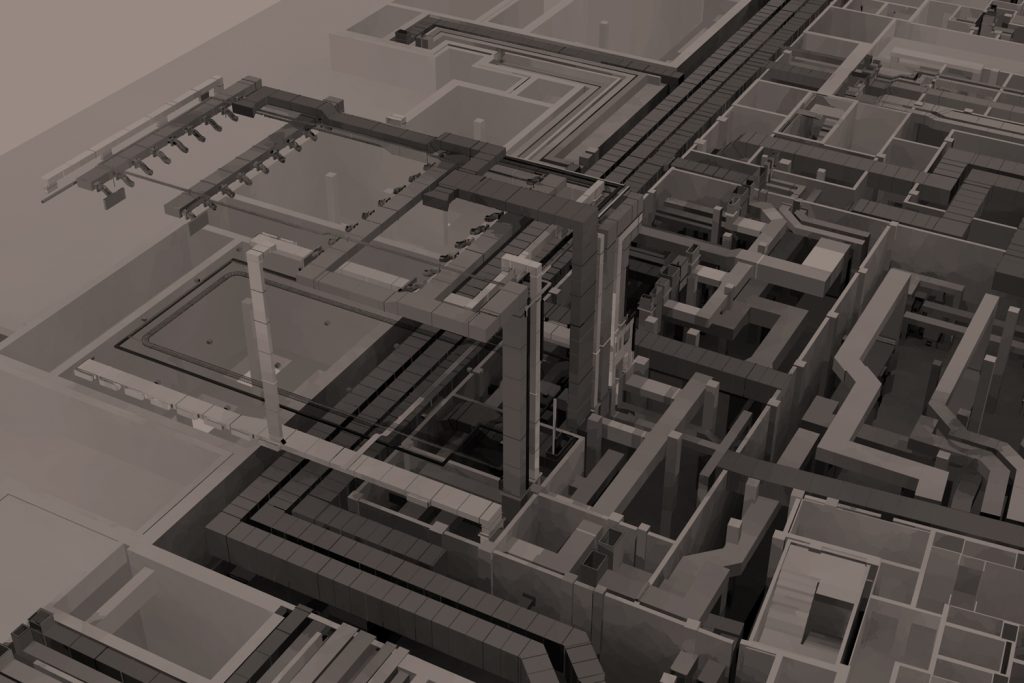
Introduction In traditional construction, discovering that a pipe is routed through the same space as a structural beam during onsite installation is a costly and time-consuming nightmare. These unforeseen interferences, or “clashes,” have long plagued the AEC industry, leading to budget overruns, project delays, and frustrating rework. Fortunately, the evolution of Building Information Modeling offers a powerful, proactive solution: BIM clash detection. This digital process allows project teams to identify, inspect, and resolve conflicts within a 3D model long before construction begins. By creating a virtual, interference-free version of the building, stakeholders can ensure smoother execution, enhance collaboration, and deliver higher-quality projects on time and within budget. This comprehensive guide explores the core definition of clash detection in BIM, the tangible benefits it offers, the types of clashes to look for, and the step-by-step process for effective implementation in your projects. What is BIM Clash Detection? BIM clash detection is a process that identifies and addresses geometric interferences and spatial conflicts between various components in a 3D building model. A “clash” occurs when elements from one model either intersect with or violate the required buffer zone of elements from another model. During the design phase, teams from different disciplines—such as architecture, structural engineering, and MEP—often create their models independently. When these separate models are aggregated into a single comprehensive master or federated model, there is a high risk that components will inadvertently overlap or conflict. Specialized clash detection services use advanced software to analyze this federated model and pinpoint the exact location of these conflicts. The software flags every instance where two objects improperly intersect or violate predefined spatial requirements. This proactive quality control method transforms coordination from a reactive, onsite problem into a manageable, digital task during the pre-construction phase. Building conflict reporting becomes a structured, systematic process rather than a chaotic field issue. ENGISOFT’s approach to BIM clash detection plays a significant role in determining constructability issues before the commencement of building construction, saving time and resources throughout the project lifecycle. Key Differences: Traditional vs. BIM Clash Detection The shift from traditional 2D-based methods to a BIM-centric workflow represents a fundamental change from a reactive to a proactive approach in managing project interferences: Traditional Clash Detection (Reactive Approach): BIM Clash Detection (Proactive Approach): Key Benefits of BIM Clash Detection Higher Accuracy in Construction Drawings and Installation A clash-free 3D model serves as a verified foundation for all project documentation. When drawings—plans, sections, and elevations—are extracted from a coordinated model, they are inherently more accurate and consistent. This eliminates the ambiguity and conflicting information often found in 2D-based workflows, providing construction teams with reliable documents that lead to precise installations. Fewer Iterations During Onsite Installation The primary benefit of BIM clash detection is the significant reduction in rework. Identifying conflicts in a virtual environment is infinitely cheaper and faster than discovering them onsite. This proactive approach minimizes unexpected change orders, saves on labor and material costs associated with demolition and re-installation, and keeps the project on schedule. Enhanced Interdisciplinary Coordination and Collaboration Building conflict reporting is a powerful catalyst for collaboration. The process necessitates that architects, structural engineers, MEP specialists, and fabricators share their models and communicate effectively to resolve conflicts. ENGISOFT’s MEP coordination services ensure that all technical silos are aligned with the overarching building design. By making models accessible on a Common Data Environment (CDE) or using real-time collaboration platforms, inter-trade communication among all construction stakeholders is drastically improved. Regular BIM coordination meetings become highly focused and productive forums for problem-solving, fostering a more integrated and cooperative project environment. Higher Project Efficiency with Interference-Free 3D BIM Models An interference-free 3D model streamlines every subsequent phase of the project. From design validation and cost estimation to fabrication and construction sequencing, all processes are based on a reliable and coordinated digital asset. This leads to fewer requests for information (RFIs), smoother workflows, and a more predictable and efficient project delivery. Lower Material Costs with Precise BOQs and BOMs With a fully coordinated model, quantity takeoffs for Bills of Quantities (BOQs) and Bills of Materials (BOMs) are far more accurate. This capability ensures that materials are ordered in the correct quantities, reducing waste from over-ordering and avoiding delays caused by shortages. Precise material management directly contributes to a healthier project budget. Reduced Onsite Risks Through 360-Degree Visualization Visualizing the entire project in a detailed 3D model offers a comprehensive, 360-degree perspective. This virtual simulation allows teams to meticulously examine complex system interfaces, spatial constraints, and the planned sequence of installation before any physical work commences. By simulating the construction process, potential clashes during installation, constructability issues, and safety hazards can be proactively identified. Types of Clashes in BIM There are several types of clashes that can occur in architectural, structural, and MEP layouts. Understanding these helps in implementing effective clash detection services. Hard Clash A hard clash occurs when two or more components, elements, or systems physically intersect or occupy the same space in the model. While these are often the easiest clashes for software to identify, they can be incredibly costly if missed, leading to significant onsite rework. Example: A duct running directly through a concrete column, a ductwork segment intersecting with a structural steel beam, or an electrical conduit placed inside a wall stud. Soft Clash (Clearance Clash) A soft clash, sometimes called a clearance clash, occurs when a building component has not been given enough buffer space to operate safely and effectively. These clashes don’t involve a direct physical intersection, but rather a violation of the required geometric or spatial tolerances needed for installation, maintenance, or safety compliance. Example: An air conditioning unit installed without enough surrounding space for a technician to perform routine maintenance. Another critical safety example is a high-voltage wire running too close to a plumbing line. Workflow Clash (4D Clash) Also known as a 4D clash, a workflow clash involves a conflict in the project timeline related to scheduling, material delivery, and site logistics. These clashes can hinder jobsite productivity and cause

Read More

Driving Innovation in Construction The Role of Structural BIM Services

The construction industry, historically slow to adopt new technologies, is undergoing a significant transformation driven by Building Information Modeling (BIM). Structural BIM services, in particular, have emerged as a game-changer, bringing unparalleled precision, efficiency, and innovation to the design and construction process. This blog explores the pivotal role of structural BIM services in driving innovation in the construction industry, highlighting its benefits, applications, and future potential. The Basics of Structural BIM Building Information Modeling (BIM) is a digital representation of the physical and functional characteristics of a facility. It serves as a shared knowledge resource, providing a reliable basis for decisions throughout the lifecycle of a building, from inception to demolition. Structural BIM focuses specifically on the structural aspects of a project, encompassing the design, analysis, and documentation of the building’s structural framework. Structural BIM services involve the creation of detailed 3D models that integrate structural components with other building systems. These models are enriched with metadata, which includes information about the materials, dimensions, and properties of each element. This comprehensive approach facilitates better coordination among stakeholders, minimizes errors, and enhances the overall quality of the construction project. Enhancing Precision and Accuracy One of the most significant advantages of Structural BIM services is the enhanced precision and accuracy they bring to the construction process. Traditional 2D drawings are prone to misinterpretation and errors, which can lead to costly rework and delays. In contrast, BIM models provide a detailed and accurate representation of the structural elements, reducing the likelihood of discrepancies. Structural BIM enables precise calculations and simulations, allowing engineers to predict the behavior of structural components under various conditions. This capability is crucial for ensuring the safety and stability of the building. For example, structural BIM can simulate the impact of seismic activity on a building, helping engineers design structures that can withstand earthquakes. Improving Collaboration and Coordination Construction projects involve multiple stakeholders, including architects, engineers, contractors, and clients. Effective collaboration and coordination among these parties are essential for the successful completion of a project. Structural BIM services facilitate seamless communication and collaboration by providing a centralized platform where all stakeholders can access and share information. The 3D models created through structural BIM can be easily shared and reviewed by all team members, ensuring everyone is on the same page. This collaborative approach helps identify and resolve potential issues early in the design phase, preventing costly changes during construction. Moreover, BIM models can be linked with project management tools, enabling better scheduling, cost estimation, and resource allocation. Enhancing Design Quality and Innovation Structural BIM services enable architects and engineers to explore innovative design solutions that would be difficult to achieve with traditional methods. The ability to create detailed and complex models allows for the exploration of various design alternatives and their implications. This flexibility fosters creativity and innovation, leading to more aesthetically pleasing and functionally superior structures. For instance, parametric design, a method facilitated by BIM, allows for the generation of complex geometries and structures based on predefined rules and parameters. This approach has been used to create iconic buildings such as the Beijing National Stadium (Bird’s Nest) and the Guggenheim Museum Bilbao. Structural BIM provides the tools to bring these visionary designs to life, ensuring they are structurally sound and feasible to construct. Enhancing Sustainability and Energy Efficiency Sustainability is a critical consideration in modern construction, with increasing emphasis on reducing the environmental impact of buildings. Structural BIM services play a vital role in enhancing the sustainability and energy efficiency of construction projects. By integrating data on materials, energy consumption, and environmental impact into the BIM model, engineers can make informed decisions that promote sustainability. For example, BIM can be used to conduct energy analysis and simulate the building’s performance under different environmental conditions. This information helps optimize the design for energy efficiency, reducing the building’s carbon footprint. Additionally, BIM can assist in selecting sustainable materials and construction methods, further contributing to the project’s environmental goals. Reducing Costs and Increasing Efficiency Cost overruns and inefficiencies are common challenges in the construction industry. Structural BIM services address these issues by improving accuracy, reducing errors, and streamlining the construction process. The detailed 3D models and simulations provided by BIM allow for more precise cost estimation and budgeting. By identifying and resolving potential issues during the design phase, structural BIM minimizes the risk of costly rework and delays during construction. The improved coordination and collaboration facilitated by BIM also contribute to more efficient project execution. For example, clash detection, a feature of BIM, helps identify and resolve conflicts between different building systems before construction begins, preventing costly on-site modifications. Facilitating Facility Management and Lifecycle Planning The benefits of structural BIM services extend beyond the construction phase, providing valuable tools for facility management and lifecycle planning. The detailed information embedded in BIM models serves as a comprehensive record of the building’s structural components, materials, and systems. This information is invaluable for maintenance, renovation, and future expansion projects. Facility managers can use BIM models to monitor the condition of structural elements, plan maintenance activities, and manage building operations more effectively. BIM also supports lifecycle planning by providing insights into the long-term performance and durability of materials and systems. This holistic approach ensures the building remains safe, functional, and efficient throughout its lifecycle. Addressing Challenges and Overcoming Barriers Despite the numerous benefits of structural BIM services, there are challenges and barriers to their widespread adoption. One significant challenge is the initial cost of implementing BIM technology and training personnel. However, the long-term benefits in terms of cost savings, efficiency, and quality often outweigh the initial investment. Another barrier is the resistance to change within the construction industry. Many professionals are accustomed to traditional methods and may be reluctant to adopt new technologies. Overcoming this resistance requires a cultural shift and a commitment to continuous learning and innovation. Conclusion Structural BIM services are driving innovation in the construction industry, offering numerous benefits in terms of precision, efficiency, collaboration, and sustainability. By providing detailed and accurate

Read More
Architectural Engineering Consultants

Leveraging Structural BIM Services for Enhanced Collaboration

In today’s fast-paced construction industry, collaboration is key to success. With the advent of Building Information Modeling (BIM), collaboration has been taken to new heights, particularly in the realm of structural engineering. Structural BIM services offer a multitude of benefits, from enhanced coordination and communication to improved efficiency and cost savings. In this blog post, we’ll delve into how leveraging structural BIM services can transform collaboration in construction projects. What is BIM? Before diving into the specifics of structural BIM services, let’s briefly define what BIM is. Building Information Modeling (BIM) is a digital representation of the physical and functional characteristics of a building. It’s a collaborative process that allows multiple stakeholders, including architects, engineers, contractors, and owners, to work together on a construction project. The Role of BIM in Structural Engineering In structural engineering, BIM serves as a powerful tool for streamlining the design, analysis, and documentation processes. Structural BIM models contain detailed information about the building’s structural components, including beams, columns, slabs, and connections. This rich data facilitates better decision-making and enables engineers to identify and resolve conflicts early in the design phase. Enhanced Collaboration through Structural BIM Services Improved Communication: Structural BIM models serve as a centralized repository of information that can be accessed and updated by all project stakeholders in real-time. This eliminates the need for cumbersome email chains and allows team members to communicate more effectively. Whether it’s discussing design changes, resolving clashes, or sharing updates, structural BIM fosters seamless communication among architects, engineers, and contractors. Coordination Across Disciplines In a construction project, various disciplines, such as architecture, structural engineering, and MEP (mechanical, electrical, plumbing) systems, need to work together harmoniously. Structural BIM facilitates interdisciplinary coordination by integrating models from different disciplines into a single, federated model. This ensures that all components of the building are properly coordinated, minimizing clashes and reducing rework during construction. Clash Detection and Resolution One of the most significant benefits of Structural BIM services is the ability to detect and resolve clashes between different building systems before construction begins. Clash detection tools analyze the BIM model to identify conflicts such as interference between structural elements, clash with MEP systems, or spatial conflicts between architectural features. By addressing these clashes early in the design phase, costly errors and delays during construction can be avoided. Visualizing Complex Structures Structural BIM models provide a 3D visualization of the building’s structure, allowing stakeholders to better understand complex geometries and structural systems. This visual representation enhances communication and enables stakeholders to make informed decisions about the design and construction process. Whether it’s evaluating alternative structural systems or simulating construction sequences, 3D visualization helps teams visualize the project’s intricacies and identify potential challenges. Quantification and Cost Estimation Beyond design and coordination, structural BIM models can also be leveraged for quantity takeoffs and cost estimation. By associating material quantities with elements in the BIM model, engineers can generate accurate bill of quantities (BOQ) and cost estimates for the project. This enables owners and contractors to better understand project costs and make informed decisions about budgeting and procurement. By utilizing structural BIM services, the engineering team collaborates closely with architects and MEP engineers to develop a coordinated BIM model. Clash detection tools identify clashes between structural elements and MEP systems, which are promptly resolved through collaboration among the project team. This early clash detection prevents costly rework during construction and ensures that the building systems fit seamlessly within the structural framework. Furthermore the 3D visualization capabilities of structural BIM enable stakeholders to visualize the building’s complex structural geometry and make informed decisions about design modifications. Quantification tools integrated into the BIM model allow the engineering team to generate accurate material takeoffs and cost estimates, providing the owner with greater visibility into project costs. Conclusion Structural BIM services play a crucial role in enhancing collaboration in construction projects. By improving communication, facilitating interdisciplinary coordination, enabling clash detection and resolution, visualizing complex structures, and supporting quantity takeoffs and cost estimation, BIM technology transforms the way structural engineers work. As the construction industry continues to embrace digitalization, the adoption of structural BIM services will become increasingly essential for delivering successful projects on time and within budget.

Read More
engisoft

Streamlining Construction Projects with Infrastructure BIM Services

In the ever-evolving landscape of construction, the adoption of Building Information Modeling (BIM) has emerged as a transformative force. Initially utilized primarily in architectural and building projects, BIM has now expanded its horizon to encompass infrastructure projects, offering a plethora of benefits that streamline construction processes, enhance collaboration, and optimize project outcomes. In this blog, we delve into the significance of Infrastructure BIM services and how they are revolutionizing the construction industry. Understanding Infrastructure BIM Services Building Information Modeling (BIM) is a digital representation of the physical and functional characteristics of a facility. It enables stakeholders to visualize a project’s key elements, simulate its construction process, and efficiently manage its lifecycle. Infrastructure BIM services extend this concept to infrastructure projects, including roads, bridges, tunnels, railways, and utilities. At its core, Infrastructure BIM involves the creation of intelligent 3D models that incorporate data beyond just geometry. These models integrate information about materials, quantities, spatial relationships, and other relevant parameters. Consequently, stakeholders gain a comprehensive understanding of the project, facilitating informed decision-making at every stage of the construction lifecycle. The Advantages of Infrastructure BIM Services Enhanced Collaboration and Communication Infrastructure projects often involve numerous stakeholders, including designers, engineers, contractors, and government agencies. Infrastructure BIM services provide a centralized platform where all stakeholders can collaborate in real-time, irrespective of their geographical locations. This fosters better communication, minimizes errors, and ensures that everyone is working from the same set of information. Improved Design and Visualization Infrastructure BIM models offer detailed visualizations of proposed projects, enabling stakeholders to explore different design options and assess their impacts before construction begins. This not only enhances design quality but also facilitates better decision-making regarding aesthetics, functionality, and sustainability. Clash Detection and Risk Mitigation One of the most significant advantages of Infrastructure BIM services is the ability to detect clashes and conflicts within the design early in the project lifecycle. By simulating construction sequences and analyzing the interaction of various elements, BIM software can identify potential clashes between different systems (e.g., utilities conflicting with roadways) and resolve them proactively. This minimizes rework, delays, and cost overruns during construction. Quantification and Cost Estimation Infrastructure BIM models contain detailed information about materials, quantities, and costs associated with the project. This enables stakeholders to generate accurate quantity takeoffs, estimate costs more precisely, and develop comprehensive project budgets. By having a clear understanding of project costs upfront, stakeholders can make informed decisions to optimize project outcomes and maximize return on investment. Asset Management and Lifecycle Planning Beyond construction, Infrastructure BIM models serve as valuable assets for facility management and lifecycle planning. By integrating data on maintenance schedules, equipment specifications, and warranties, these models enable owners to effectively manage and maintain infrastructure assets throughout their lifecycle. This proactive approach minimizes downtime, prolongs asset lifespan, and enhances overall operational efficiency. The Future of Infrastructure BIM As technology continues to evolve, the future of Infrastructure BIM holds even greater promise. Emerging technologies such as artificial intelligence (AI), augmented reality (AR), and the Internet of Things (IoT) are poised to further enhance the capabilities of BIM software, enabling more advanced simulations, predictive analytics, and real-time monitoring of infrastructure projects. Conclusion Infrastructure BIM services are revolutionizing the construction industry by offering unprecedented levels of collaboration, efficiency, and innovation. As stakeholders increasingly recognize the value of BIM in infrastructure projects, its adoption is poised to become the new standard, ushering in a new era of smarter, more sustainable infrastructure development. By embracing Infrastructure BIM, stakeholders can unlock new opportunities for growth, minimize risks, and build a better future for generations to come.

Read More
engisoft

Beyond Blueprints: Transforming Infrastructure BIM Services

In the realm of infrastructure development, the integration of technology has revolutionized traditional practices. Building Information Modeling (BIM) stands at the forefront of this revolution, reshaping how infrastructure projects are conceptualized, designed, and executed. Beyond mere blueprints, BIM services offer a comprehensive digital representation of physical and functional characteristics, fostering collaboration, efficiency, and sustainability throughout the project lifecycle. Let’s delve deeper into the transformative power of BIM services in Infrastructure BIM Services. Understanding BIM Services At its core, BIM is a digital representation of physical and functional characteristics of places. Unlike traditional 2D drawings, BIM encompasses three-dimensional models enriched with data attributes. This digital twin not only visualizes the structure but also incorporates information about materials, geometry, spatial relationships, and more. BIM services encompass a spectrum of functionalities, including architectural, structural, and MEP (Mechanical, Electrical, Plumbing) coordination, clash detection, quantity takeoffs, scheduling, and facility management. Enhanced Collaboration and Coordination One of the key benefits of BIM services is enhanced collaboration among project stakeholders. By centralizing project information in a shared digital environment, architects, engineers, contractors, and owners can collaborate seamlessly, regardless of their geographical locations. Real-time updates and cloud-based access ensure that all stakeholders are working with the latest data, reducing errors and misunderstandings. Additionally, BIM facilitates clash detection, identifying conflicts between different building systems before construction commences, thereby minimizing costly rework and delays. Efficiency in Design and Construction BIM services streamline the design and construction processes, leading to greater efficiency and cost savings. With BIM, architects and engineers can create detailed 3D models that allow for better visualization and simulation of design alternatives. These models enable early identification of design flaws and optimization opportunities, leading to improved building performance and sustainability. Furthermore, BIM facilitates off-site prefabrication and modular construction by providing accurate digital representations that manufacturers can use for fabrication, reducing on-site labor and construction time. Data-Driven Decision Making In addition to geometric information, BIM enriches models with non-graphical data, such as material properties, cost estimates, and performance specifications. This data-driven approach enables informed decision-making throughout the project lifecycle. Owners can evaluate different design options based on cost, energy efficiency, and lifecycle performance, ultimately selecting the most suitable solution. During construction, project managers can track progress, manage resources, and anticipate potential delays using real-time data from the BIM model, enabling proactive decision-making to keep projects on schedule and within budget. Architecture and Urban Planning BIM has transformed the way architects and urban planners conceptualize and design buildings and cityscapes. By creating detailed digital models of entire city blocks or urban developments, planners can simulate different scenarios, assess the impact of proposed changes, and optimize the layout for maximum efficiency and livability. From reducing traffic congestion to improving pedestrian access and green spaces, BIM enables holistic urban planning that prioritizes sustainability and quality of life. Transportation and Infrastructure In the transportation sector, BIM is instrumental in the design, construction, and maintenance of roads, bridges, railways, and airports. For example, highway engineers use BIM to visualize traffic flow, analyze safety features, and optimize road alignments for maximum efficiency and safety. Similarly, bridge designers leverage BIM to simulate structural behavior, analyze load-bearing capacity, and identify potential maintenance issues before they occur, ensuring the longevity and resilience of critical Infrastructure BIM Services assets. Energy and Utilities BIM plays a crucial role in the design and construction of energy and utility infrastructure, including power plants, substations, pipelines, and water treatment facilities. By integrating BIM with Geographic Information Systems (GIS), utilities can create accurate digital models of their assets, enabling better asset management, predictive maintenance, and emergency response. For example, water utilities use BIM to map underground pipelines, identify leaks, and optimize distribution networks, leading to improved water quality, reliability, and efficiency. Lifecycle Management and Facility Operation The benefits of BIM extend beyond the construction phase into facility management and operation. The digital twin created during design and construction becomes a valuable asset for facility managers, providing a comprehensive database of building information accessible through integrated facility management software. From maintenance schedules to asset tracking, BIM facilitates efficient operation and maintenance, prolonging the lifespan of infrastructure assets and maximizing return on investment. Additionally, as-built documentation generated from the BIM model ensures that owners have accurate records of the building’s components and systems, facilitating future renovations and upgrades. Conclusion BIM services represent not only a technological advancement but also a paradigm shift in how we approach Infrastructure BIM Services. By harnessing the power of BIM, stakeholders can create more resilient, efficient, and sustainable infrastructure that meets the needs of present and future generations. As we continue to embrace BIM and integrate it into our practices, we pave the way for a brighter, more connected future.

Read More

TECH CONFERENCE 2021 LONDON

Interdum iusto pulvinar consequuntur augu s est odit mi quosliquid sempero ipsum dolor sit amet, cons ectetur adipiscing elit orto ulum non mollis woiur pokju solti metus.

HOME LAB OPEN STUDIOS

Interdum iusto pulvinar consequuntur augu s est odit mi quosliquid sempero ipsum dolor sit amet, cons ectetur adipiscing elit orto ulum non mollis woiur pokju solti metus.

SOCIAL MEDIA

Subscribe To Our Newsletter

Scroll to Top

Nullam quis risus eget urna mollis ornare vel eu leo. Aenean lacinia bibendum nulla sed 

Subscribe to get 15% discount