Why Engisoft Engineering is Dubai’s Leading BIM Services Provider
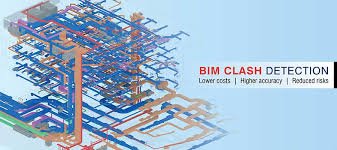
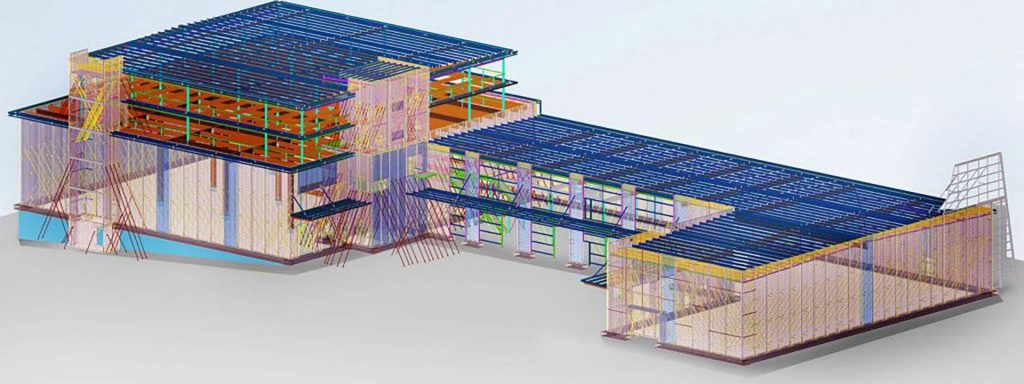
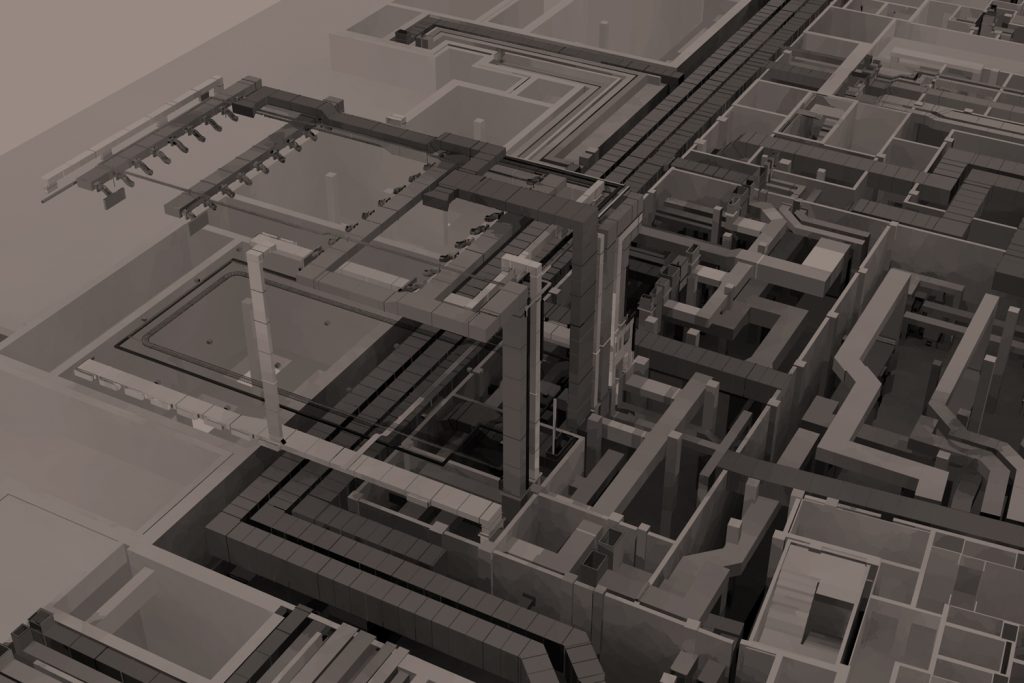
In today’s fast-evolving Architecture, Engineering, and Construction (AEC) industry, Building Information Modeling (BIM) has become the backbone of efficient project delivery. Whether you are a developer, architect, contractor, or facility manager, partnering with a trusted BIM services provider can mean the difference between project success and costly delays. Engisoft Engineering is a Dubai-based, top multidisciplinary BIM services provider serving clients across the AEC industry. From concept to construction, Engisoft Engineering delivers precision, speed, and expertise across every facet of BIM — making it the go-to partner for projects throughout the UAE and beyond. What Makes Engisoft Engineering Stand Out? When you search for “Engisoft Engineering,” you’ll find a company consistently ranked at the top of search results — and for good reason. With a Position 1 ranking and over 576 monthly organic visitors, Engisoft Engineering has earned its reputation as a trusted name in the BIM industry. Here is what sets Engisoft Engineering apart: multidisciplinary expertise across architectural, structural, MEP, and civil BIM disciplines; cutting-edge software tools including Revit, Navisworks, AutoCAD, and ArchiCAD; a highly qualified team of BIM coordinators, modelers, and managers; a proven track record on landmark projects across Dubai and the wider GCC region; and end-to-end services from BIM consulting to model delivery and facility management. BIM Consulting Services: Start Your Project the Right Way Before any modeling begins, the foundation of a successful BIM project lies in strategy. Engisoft Engineering’s BIM consulting services help clients define their BIM Execution Plan (BEP), establish Level of Development (LOD) requirements, and align all project stakeholders with a clear digital delivery roadmap. Whether you are embarking on a new development or retrofitting an existing asset, our BIM consulting services ensure that your project starts on the right foot — with the right information, the right workflows, and the right team. Searching for “BIM consulting services”? Engisoft Engineering ranks at Position 1 for this keyword, reflecting the depth of expertise and client satisfaction that has made us the region’s preferred BIM consultancy. BIM Services: Comprehensive Solutions for the AEC Industry Engisoft Engineering provides a full suite of BIM services tailored to every stage of the project lifecycle. From initial design coordination to post-construction asset management, our team delivers accurate, clash-free BIM models that drive efficiency and reduce rework. Our core BIM services include 3D BIM Modeling for detailed architectural, structural, and MEP models; 4D BIM Scheduling for time-linked models and construction planning; 5D BIM Cost Estimation for quantity take-offs and budget integration; 6D BIM Sustainability Analysis for energy performance and green building compliance; and 7D BIM Facility Management for asset data supporting operations and maintenance. Whether you are looking for BIM services for a commercial tower, residential development, infrastructure project, or industrial facility, Engisoft Engineering has the expertise and tools to deliver. As-Built Drawings: Capturing the Truth of What Was Built One of the most critical — yet often overlooked — deliverables in any construction project is the as-built drawings. These are the final, accurate drawings that reflect exactly how a building or infrastructure element was constructed, incorporating all field changes and deviations from the original design. What Is the Meaning of As-Built Drawings? The as-built drawings meaning refers to a revised set of construction drawings submitted by a contractor upon project completion. Unlike design drawings, as-built drawings capture every modification made during construction — changes in dimensions, materials, pipe routes, electrical conduit paths, and structural elements. As-built drawings are essential for future renovations and refurbishment planning, facility management and maintenance operations, regulatory compliance and handover documentation, and insurance and legal record-keeping. Engisoft Engineering ranks at Position 1 for “as built drawings meaning,” a testament to our authority and expertise in this space. We produce precise, BIM-based as-built documentation that gives building owners, facility managers, and contractors full confidence in the accuracy of their records. How Engisoft Engineering Delivers As-Built Drawings Our team uses advanced BIM technology and laser scanning capabilities to capture field conditions with millimeter accuracy. The result is a fully coordinated as-built BIM model and corresponding 2D drawing set that reflects the true state of the constructed asset — ready for handover and future use. Bill of Materials: Precision Quantification for Better Cost Control Another key area where Engisoft Engineering excels is in the preparation of a Bill of Materials (BOM). A Bill of Materials is a comprehensive list of all components, materials, and quantities required to construct, manufacture, or assemble a building or system. In the context of construction and BIM, the Bill of Materials serves as a critical link between design intent and procurement. Engisoft Engineering’s BIM-based BOM services provide clients with accurate quantity take-offs extracted directly from the BIM model, detailed material schedules for all building elements and systems, cost-linked BOMs for budget estimation and cost control, and integration with procurement and supply chain management workflows. Our expertise in Bill of Materials preparation helps clients avoid material shortages, reduce procurement costs, and ensure that every item needed for construction is accounted for — before work begins on site. Why BIM Services Matter for Dubai’s Construction Industry Dubai is one of the world’s most dynamic and ambitious construction markets. With ongoing mega-projects, smart city initiatives, and a government mandate for BIM adoption across major public projects, the demand for high-quality BIM services has never been greater. Engisoft Engineering is at the forefront of this transformation, helping clients navigate the complexities of BIM adoption, compliance, and delivery. From the initial BIM consulting engagement to the final as-built handover, our team is with you every step of the way. Get Started with Engisoft Engineering Today Whether you need BIM consulting services, a full suite of BIM services, accurate as-built drawings, or a detailed Bill of Materials, Engisoft Engineering is your trusted partner in Dubai and across the AEC industry.