BLOG

The only thing standing between you and your goal is the bullshit story you keep telling yourself as to why you can’t achieve it.
Bim consulting services

Navigating Future The Essence of BIM Consulting Services

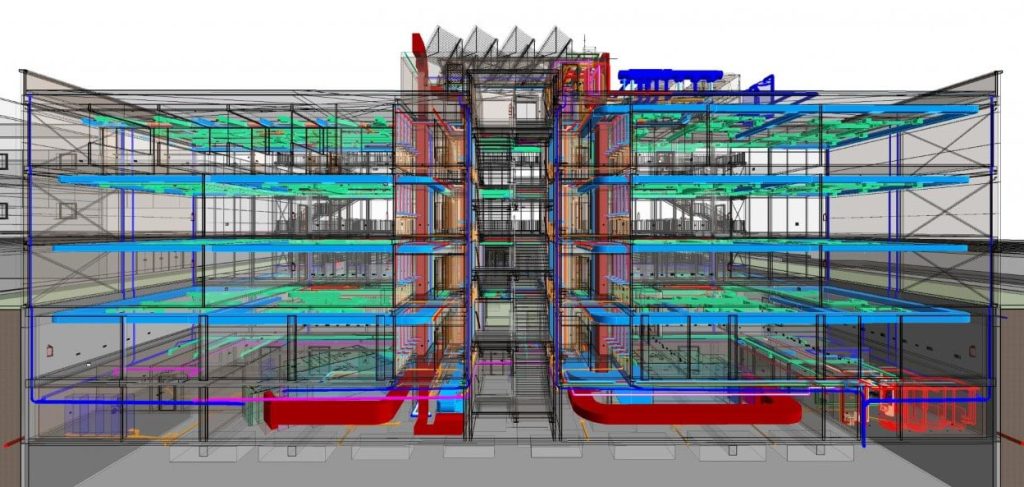
In the ever-evolving landscape of the construction industry, Building Information Modeling (BIM) has emerged as a transformative force, reshaping how projects are conceptualized, designed, and executed. At the forefront of this revolution are BIM consulting services, guiding stakeholders through the complexities of digital construction. This blog aims to unravel the essence of BIM consulting, exploring its impact, methodologies, and the pivotal role it plays in navigating the future of construction. The BIM Revolution: a Paradigm Shift in Construction The construction industry has historically been characterized by traditional methodologies and paper-based documentation. This section delves into the BIM revolution, highlighting how it represents a paradigm shift from 2D drawings to comprehensive 3D models that encapsulate the entire building lifecycle. The blog discusses the fundamental principles of BIM and its transformative impact on the construction workflow. The Essence of BIM Consulting Services What distinguishes successful BIM implementation is often the involvement of BIM consulting services. This chapter explores the core essence of BIM consulting, elucidating how consultants provide guidance on BIM adoption, strategy development, and project-specific implementation plans. The role of BIM consultants in aligning technology with project goals, streamlining workflows, and fostering collaboration is dissected. BIM Methodologies from LOD to Clash Detection BIM consulting service operate within a framework of methodologies that ensure the effective utilization of BIM throughout the project lifecycle. This section explores key methodologies, such as Level of Development (LOD), that define the depth of information within BIM models. Additionally, the blog delves into clash detection, a crucial aspect where BIM consultants identify and resolve conflicts in the digital model before they become issues during construction. Collaborative Design and Integrated Workflows One of the cornerstones of BIM consulting is fostering collaborative design processes. The blog examines how BIM consultants facilitate integrated workflows, enabling architects, engineers, contractors, and other stakeholders to work collaboratively within a shared digital environment. The impact of this collaborative approach on reducing errors, enhancing communication, and improving overall project efficiency is explored. BIM for Facility Management A Lifecycle Perspective BIM consulting services extend their impact beyond the construction phase to the entire lifecycle of a building. This chapter delves into how BIM is leveraged for Facility Management (FM), enabling property owners and operators to efficiently manage and maintain their assets. The blog explores the role of BIM consultants in creating data-rich models that enhance the efficiency of facility operations and maintenance. BIM and Sustainability A Green Perspective Sustainability is a key consideration in modern construction, and BIM consulting service contribute to achieving green building goals. This section explores how BIM is utilized to optimize energy performance, facilitate sustainable material choices, and assess the environmental impact of a project. The role of BIM consultants in guiding sustainable design decisions and ensuring compliance with green building standards is emphasized. Data Management and Security The essence of BIM consulting service extends to effective data management and ensuring the security of sensitive project information. The blog explores how BIM consultants implement robust data management strategies, including version control, data sharing protocols, and collaborative platforms. Additionally, the importance of addressing cybersecurity concerns in the digital construction environment is discussed. BIM and Cost Estimation Cost estimation is a critical aspect of construction projects, and BIM consulting service play a vital role in enhancing accuracy and efficiency in this area. This chapter delves into how BIM is leveraged for quantity takeoffs, cost estimation, and budget management. The impact of BIM consultants in aligning project objectives with financial considerations is highlighted. Overcoming Challenges the Role of BIM Consultants The adoption of BIM comes with its set of challenges, and BIM consulting services are instrumental in overcoming these obstacles. This section explores common challenges such as resistance to change, interoperability issues, and skill gaps. The blog discusses how BIM consultants provide training, guidance, and strategic solutions to ensure a smooth transition to BIM methodologies. Future Trends BIM Consulting in Tomorrow’s Construction As technology continues to advance, the future of BIM consulting holds exciting possibilities. This chapter explores emerging trends, including the integration of artificial intelligence, virtual reality, and augmented reality in BIM workflows. The blog discusses how BIM consultants are at the forefront of adopting these innovations, paving the way for even more sophisticated and efficient digital construction processes. Conclusion In conclusion, the essence of BIM consulting services lies in their ability to navigate the construction industry toward a future defined by innovation, efficiency, and sustainability. ENGISOFT ENGINEERING – BIM Staffing & BIM Services from collaborative design methodologies to comprehensive lifecycle perspectives, BIM consultants serve as guides in the adoption and implementation of BIM principles. As the construction industry continues to embrace digital transformation, BIM consulting services stand as catalysts for positive change, steering projects toward success in a dynamic and evolving built environment.  
Read More
Infrastructure Bim Services

Bridging the Future Impact of Infrastructure BIM Services

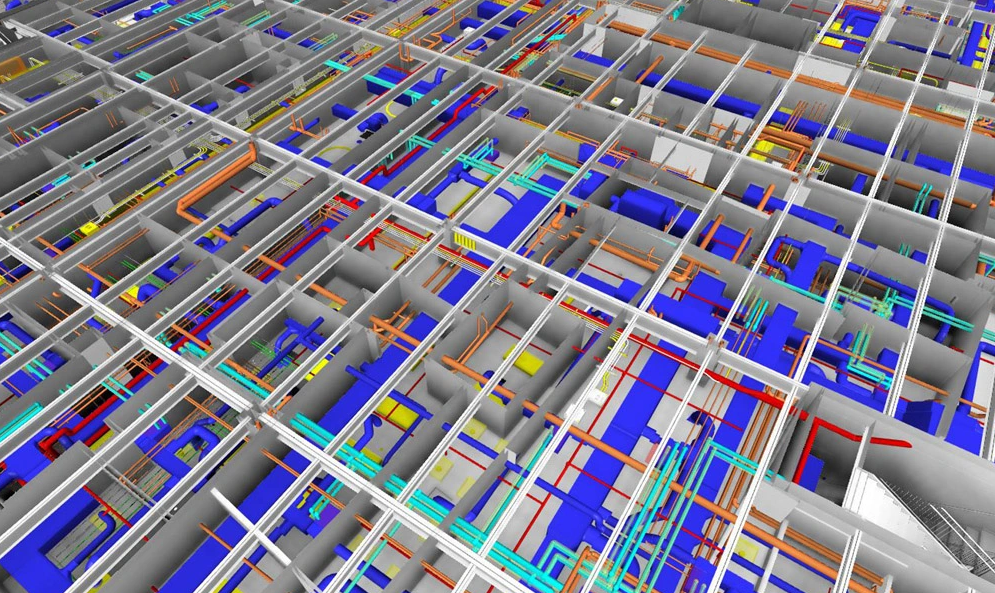
In the dynamic landscape of infrastructure development, the integration of Building Information Modeling (BIM) services has emerged as a transformative force, ushering in a new era of efficiency, precision, and sustainability. This blog aims to delve into the profound impact of Infrastructure BIM services, examining how they are not just shaping the present but actively bridging the future of large-scale construction projects. The Evolution of Infrastructure Development To understand the impact of Infrastructure BIM services, it is essential to trace the evolution of infrastructure development. This section provides a historical overview, highlighting the challenges and complexities that have historically characterized large-scale projects. The advent of BIM technology is introduced as a game-changer, setting the stage for a paradigm shift in the industry. BIM Services Unveiled Before exploring the impact, it’s crucial to understand the fundamentals of BIM services. This chapter delves into the core principles of Building Information Modeling, emphasizing how it goes beyond traditional 2D drawings to create comprehensive digital representations of infrastructure projects. The collaborative nature of BIM and its role in improving communication and coordination is explored. The Digital Blueprint: 3D Modeling for Infrastructure One of the key impacts of Infrastructure BIM service is the shift from traditional blueprints to intricate 3D models. This section examines how BIM technology enables detailed and accurate 3D modeling of infrastructure projects. The advantages of visualizing designs in three dimensions, from bridges and highways to tunnels and airports, are explored, highlighting the enhanced clarity and insight offered to project stakeholders. Precision Planning: Clash Detection and Coordination Large-scale infrastructure projects often involve numerous intricate systems that must seamlessly coexist. Infrastructure BIM service introduce precision planning through clash detection and coordination mechanisms. This chapter dissects how BIM technology identifies potential clashes between various components, streamlining the construction process and minimizing errors. Project Lifecycle Management: From Concept to Operation Infrastructure projects have long lifecycles, from initial conception to eventual operation and maintenance. BIM services extend their impact across this entire spectrum, facilitating comprehensive project lifecycle management. This section explores how BIM technology enhances decision-making at every stage, from design and construction to facility management, ensuring efficiency and sustainability throughout the infrastructure’s life. Real-Time Collaboration and Communication Infrastructure projects involve diverse teams and stakeholders, often spread across different locations. BIM services revolutionize collaboration and communication by providing a centralized platform for real-time interaction. This chapter details how project teams, including architects, engineers, contractors, and clients, can collaborate seamlessly, fostering better communication, informed decision-making, and improved project outcomes. Sustainable Infrastructure: BIM for Environmental Impact Sustainability is a cornerstone of modern infrastructure development. This section explores how Infrastructure BIM services contribute to creating more sustainable projects. From energy-efficient designs to materials selection and waste reduction, BIM technology enables a holistic approach to sustainable infrastructure. The impact on reducing environmental footprints, achieving green certifications, and meeting global sustainability goals is examined. Risk Mitigation and Cost Control Infrastructure projects often involve inherent risks, from unforeseen challenges in construction to budget overruns. Infrastructure BIM service play a crucial role in risk mitigation and cost control. This chapter investigates how BIM technology aids in identifying potential risks, optimizing project schedules, and providing accurate cost estimates. The impact on minimizing uncertainties and ensuring better financial control is emphasized. Public Engagement and Visualization Engaging the public in large-scale infrastructure projects is vital for success. BIM services offer tools for visualizing projects in a way that is easily understandable to the general public. This section explores how BIM technology facilitates public engagement through interactive visualizations, virtual reality experiences, and simulations. The impact on creating informed, engaged communities and gaining public support for projects is discussed. Future Trends and Innovations As technology continues to evolve, so do the possibilities within Infrastructure BIM service. This chapter provides insights into emerging trends, including augmented reality applications, artificial intelligence integration, and the utilization of Internet of Things (IoT) devices. The impact of these future innovations on further enhancing the capabilities and efficiency of Infrastructure BIM services is explored. Conclusion The impact of Infrastructure BIM services is not just confined to the present; it is actively shaping the future of how we conceive, plan, and construct large-scale infrastructure projects. ENGISOFT ENGINEERING – BIM Staffing & BIM Services From the precision of 3D modeling to the sustainability initiatives and real-time collaboration, BIM technology is a catalyst for positive change in the infrastructure development landscape. As we bridge the future with Infrastructure BIM services, the industry is not just witnessing a technological revolution but a paradigm shift towards more efficient, sustainable, and resilient infrastructure that will stand the test of time.

Read More
Mep bim services

Improving Projects with MEP BIM Services through Smart Build

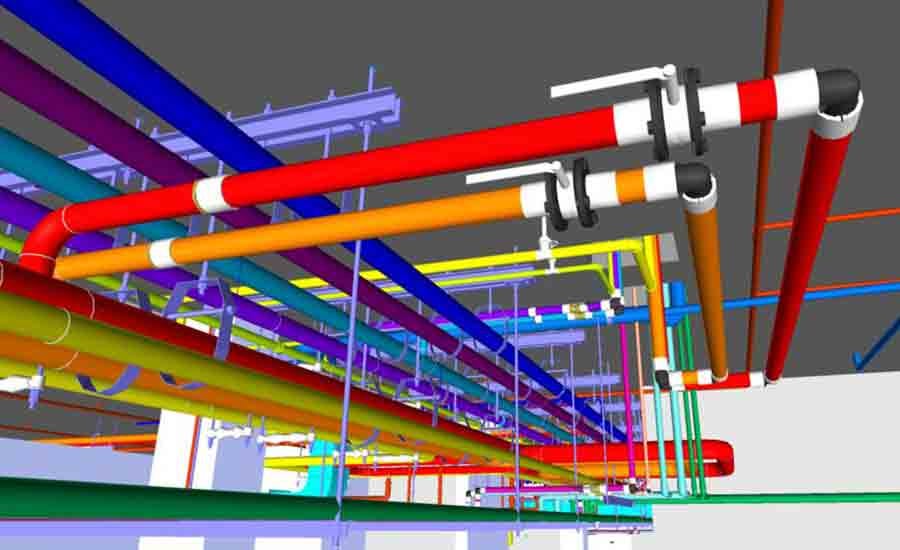
In the ever-evolving landscape of construction and engineering, the integration of Mechanical, Electrical, and Plumbing (MEP) services with Building Information Modeling (BIM) technology has emerged as a transformative force. This blog explores how the synergy of MEP and BIM services is shaping the future of construction, driving efficiency, accuracy, and innovation in what can be termed a “Smart Build.” The Foundation of MEP BIM Services To understand the impact of MEP BIM services, it’s essential to grasp the foundational elements of each component. This section provides an overview of MEP services, emphasizing their role in ensuring the functionality and sustainability of building systems. Simultaneously, it introduces BIM technology as a comprehensive digital representation of the building process, incorporating 3D models and data for collaborative decision-making. Smart Build: The Integration of MEP and BIM The concept of a “Smart Build” revolves around the seamless integration of MEP services and BIM technology. This chapter delves into how these two pillars collaborate to create an intelligent, data-driven construction process. The impact of a smart build approach on project timelines, cost efficiency, and overall project success is explored. 3D Modeling for Precision One of the key benefits of MEP BIM service is the ability to create detailed 3D models that go beyond traditional 2D blueprints. This section explores how 3D modeling enhances precision in design and coordination. The impact of visualizing MEP systems in three dimensions on identifying clashes, optimizing spatial efficiency, and improving overall project comprehension is detailed. Clash Detection and Coordination MEP systems often intersect within the building structure, and clash detection is a critical aspect of project coordination. This chapter delves into how BIM technology facilitates clash detection, enabling early identification and resolution of conflicts between MEP systems. The impact of proactive clash detection on reducing rework, minimizing errors, and streamlining project workflows is emphasized. Real-Time Collaboration and Communication One of the transformative aspects of Smart Build is the real-time collaboration facilitated by MEP BIM service. This section explores how project stakeholders, including architects, engineers, and contractors, can collaborate seamlessly through a centralized BIM platform. The impact of enhanced communication on decision-making, issue resolution, and overall project efficiency is discussed. Cost Estimation and Budgeting MEP BIM service extend their influence into project financials through accurate cost estimation and budgeting. This chapter delves into how BIM technology integrates with MEP services to provide real-time cost data, enabling more precise budget forecasts. The impact of data-driven cost estimation on project financial control, transparency, and decision-making is examined. Energy Analysis and Sustainability Smart Build incorporates sustainability as a core principle, and MEP BIM services contribute to energy analysis and efficiency. This section explores how BIM technology aids in simulating and analyzing the energy performance of MEP systems. The impact of sustainable design decisions on energy conservation, environmental responsibility, and achieving green building certifications is detailed. Project Lifecycle Management MEP BIM services extend their benefits throughout the entire project lifecycle. This chapter delves into how BIM technology allows for comprehensive project lifecycle management, from initial design through construction to facility management. The impact of a unified platform on tracking project milestones, facilitating maintenance planning, and ensuring long-term operational efficiency is discussed. Risk Mitigation and Enhanced Safety Smart Build prioritizes risk mitigation and safety, and MEP BIM service play a crucial role in achieving these goals. This section explores how BIM technology enables virtual safety planning and risk assessment for MEP systems. The impact of enhanced safety measures on preventing accidents, reducing project delays, and ensuring regulatory compliance is emphasized. Future Trends and Innovations As technology continues to advance, the future of MEP BIM service holds exciting possibilities. This chapter explores emerging trends, including augmented reality (AR) applications for construction, advanced data analytics, and the integration of Internet of Things (IoT) devices. The impact of these future innovations on further enhancing the efficiency and capabilities of MEP BIM service is discussed. Conclusion In conclusion, the collaboration between MEP services and BIM technology, leading to a Smart Build approach, represents a paradigm shift in the construction industry. ENGISOFT ENGINEERING – BIM Staffing & BIM Services The integration of detailed 3D models, clash detection, real-time collaboration, and sustainability considerations results in more efficient, cost-effective, and sustainable projects. The impact of MEP BIM services goes beyond the construction phase, extending to project lifecycle management and setting the stage for continuous innovation in the future. As the industry embraces the concept of Smart Build, the transformative influence of MEP BIM service is set to redefine the standards of excellence in construction, creating smarter, more sustainable built environments.

Read More
Structural Bim Services

Digital Foundation a Deep Dive into Structural BIM Services

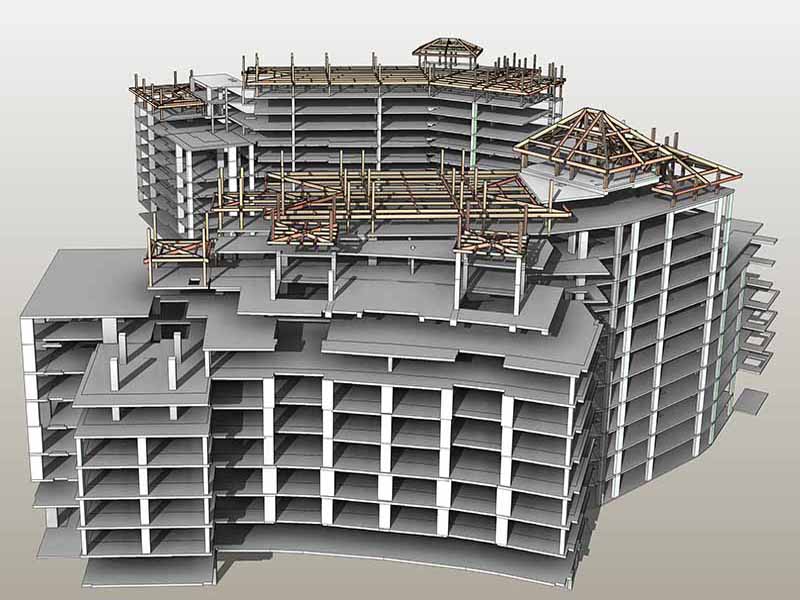
In the dynamic landscape of construction and engineering, the advent of Building Information Modeling (BIM) has revolutionized the way structures are conceived, designed, and built. This blog takes a comprehensive plunge into the realm of Structural BIM services, exploring the digital foundations that underpin modern construction projects. From enhancing collaboration to optimizing efficiency, Structural services are reshaping the very essence of structural engineering. The Evolution of Structural BIM To understand the significance of Structural services, we embark on a historical journey, tracing the evolution of BIM in the construction industry. From its origins as a 3D modeling tool to its current status as a holistic information management system, we explore how BIM has become an indispensable asset in the hands of structural engineers. Core Components of Structural BIM Delving deeper, this section dissects the core components that constitute BIM services. We examine how 3D modeling, parametric design, and information databases converge to create a digital representation of the physical and functional characteristics of a building. The intricacies of these components lay the foundation for collaborative and data-driven decision-making. Enhanced Collaboration and Communication A hallmark of BIM services is the facilitation of enhanced collaboration and communication among stakeholders. We explore how architects, structural engineers, contractors, and other project participants can seamlessly collaborate within a shared digital environment. This collaborative approach fosters better decision-making, reduces errors, and accelerates project timelines. Clash Detection and Risk Mitigation One of the standout features of Structural BIM services is the implementation of clash detection algorithms. This section takes a closer look at how BIM technology enables the identification and resolution of clashes and conflicts in the early stages of the design process. By mitigating risks associated with clashes, BIM services contribute to smoother construction workflows and cost-effective project delivery. Parametric Design and Optimization Parametric design is a key aspect of BIM services that empowers engineers to explore multiple design iterations rapidly. We explore how parametric modeling facilitates the optimization of structural elements, allowing for efficient use of materials and enhanced structural performance. The ability to iterate and refine designs in a digital environment fosters innovation and resource efficiency. Structural Analysis and Simulation Structural BIM services extend beyond visualization to include sophisticated analysis and simulation capabilities. This section discusses how BIM facilitates structural analysis, assessing factors such as load-bearing capacity, structural integrity, and dynamic response. By integrating analytical tools, Structural services empower engineers to make informed decisions that result in structurally sound and resilient designs. Construction Documentation and Sequencing Efficient construction documentation is crucial for the successful execution of any project. We explore how BIM services streamline the generation of accurate and detailed construction documentation. Additionally, we delve into the sequencing capabilities of BIM, which enable project stakeholders to visualize and optimize construction sequences, leading to smoother on-site execution. Cost Estimation and Project Management Cost estimation is a critical aspect of project planning, and BIM services play a pivotal role in accurate cost forecasting. This section discusses how BIM technology facilitates the integration of cost data with the digital model, enabling real-time cost estimation and budget tracking. Furthermore, we explore how BIM supports effective project management by providing a centralized platform for information exchange and decision-making. Sustainability Integration Sustainability is a growing priority in the construction industry, and Structural BIM services contribute to this agenda by integrating sustainable design principles. We examine how BIM enables the analysis of environmental impacts, energy efficiency, and life cycle assessments, empowering engineers to make informed decisions that align with environmental sustainability goals. Future Trends and Innovations The blog concludes with a glimpse into the future trends and innovations shaping the landscape of Structural services. From the integration of artificial intelligence and machine learning to advancements in cloud-based collaboration, we explore the ongoing evolution of BIM technology and its potential impact on the future of structural engineering. Conclusion In the digital age of construction, Structural BIM services stand as the bedrock of innovation, collaboration, and efficiency. ENGISOFT ENGINEERING – BIM Staffing & BIM Services this deep dive into the digital foundations of Structural BIM has illuminated the transformative power of this technology in shaping the way structures are conceived, designed, and constructed. From enhanced collaboration to clash detection, parametric design, and sustainability integration, Structural services represent a paradigm shift that positions structural engineers at the forefront of a dynamic and technology-driven future. As the industry continues to embrace these digital foundations, the evolution of BIM services promises to redefine the possibilities and efficiencies in structural engineering.  

Read More

Innovative Solutions in Architectural Engineering Skylines

Architectural engineering consultants stands at the nexus of innovation, design prowess, and technical acumen. It’s a discipline where creativity converges with engineering excellence to sculpt the skylines of our cities and shape the built environment of the future. In this age of rapid technological advancement and sustainability imperatives, architectural engineers are at the forefront of pioneering solutions that not only redefine urban landscapes but also elevate the way we live, work, and interact with our surroundings. The Intersection of Innovation and Creativity At the heart of architectural engineering lies a continuous pursuit of innovation. It’s a domain where creativity is harnessed to solve complex problems and envision structures that blend functionality with aesthetics seamlessly. Architectural engineers are embracing cutting-edge technologies like never before. From parametric design and computational tools to artificial intelligence (AI) and advanced materials, these innovations are redefining the art and science of architecture. Sustainability as a Core Tenet Innovation in architectural engineering consultants is intrinsically linked with sustainability. The imperative to create environmentally responsible structures has become a driving force in the field. Concepts like passive design, green building materials, and energy-efficient systems are no longer just buzzwords but integral components of every innovative project. Architectural engineers are leveraging innovative approaches to minimize environmental impact throughout a building’s lifecycle. This includes designing for net-zero energy consumption, employing renewable energy sources, and implementing efficient water management systems. Advancements in Technological Integration Technology continues to revolutionize architectural engineering. Building Information Modeling (BIM) and parametric design software enable architects and engineers to simulate and optimize designs, considering various parameters such as structural integrity, energy efficiency, and cost-effectiveness. Additionally, the integration of smart technologies within buildings — IoT sensors, AI-driven systems, and automated controls — transforms structures into living, responsive entities. These technologies enhance occupant comfort, optimize energy usage, and streamline maintenance processes. Materials Innovation from Concept to Construction Materials innovation plays a pivotal role in shaping the future of architectural engineering. Engineers are exploring advanced materials that offer superior structural properties, durability, and sustainability. This includes engineered timber, carbon-negative concrete, and bio-based materials that reduce the environmental footprint of construction. Furthermore, innovations in construction techniques such as 3D printing and prefabrication are revolutionizing the industry. These methods not only expedite construction timelines but also enhance precision and reduce waste, paving the way for more sustainable and efficient building practices. Human-Centric Design Enhancing Quality of Life Innovative architectural engineering isn’t solely about erecting impressive structures; it’s about enhancing the human experience within these spaces. Human-centric design principles emphasize creating environments that prioritize occupant well-being, productivity, and prominence. Incorporating natural elements like greenery, natural light, and water features not only enhances aesthetics but also improves air quality and mental well-being. Challenges and Future Prospects While innovation propels architectural engineering consultant forward, it also poses challenges. Balancing technological advancements with regulatory constraints, addressing affordability without compromising quality, and ensuring cultural sensitivity in design are ongoing challenges that the industry faces. Looking ahead, the future of architectural engineering holds immense promise. Advancements in robotics, AI-driven design optimization, and the integration of renewable energy systems will continue to shape the field. Moreover, a heightened focus on resilient designs capable of withstanding climate change and natural disasters will be imperative. The Collaborative Imperative Innovation in architectural engineering thrives on collaboration. It’s a multidisciplinary endeavor that requires architects, engineers, urban planners, environmental experts, and stakeholders to work in unison. Collaborative partnerships foster the exchange of ideas, pushing the boundaries of what’s possible in design and construction. Integration of Smart Building Systems Smart building systems represent a significant leap in architectural engineering innovation. These systems leverage interconnected technology to optimize various facets of a building’s functionality. The integration of Internet of Things devices within buildings allows for real-time data collection and analysis. Sensors embedded in infrastructure monitor temperature, occupancy, and energy usage, enabling dynamic adjustments to enhance efficiency and occupant comfort. AI-Driven Building Management Artificial Intelligence (AI) algorithms process the data collected by IoT sensors. These systems learn from patterns and user behaviors to automate building operations, adjusting lighting, heating, and cooling to optimize energy consumption without compromising comfort. Enhanced Occupant Experience Smart building systems aim to enhance the overall occupant experience. From personalized climate control to predictive maintenance, these systems create adaptive, user-centric environments that evolve with the needs and preferences of occupants. Conclusion Innovative solutions in architectural engineering consultants are not merely about erecting structures; they’re about envisioning spaces that inspire, sustain, and enhance human lives. ENGISOFT ENGINEERING — BIM Staffing & BIM Services as technology evolves and sustainability becomes non-negotiable, architectural engineers are poised to redefine skylines while leaving an indelible mark on the world. By embracing innovation, sustainability, technological advancements, and a human-centric approach, architectural engineers are crafting a future where the built environment isn’t just functional but a testament to creativity, efficiency, and harmony with nature.

Read More

TECH CONFERENCE 2021 LONDON

Interdum iusto pulvinar consequuntur augu s est odit mi quosliquid sempero ipsum dolor sit amet, cons ectetur adipiscing elit orto ulum non mollis woiur pokju solti metus.

HOME LAB OPEN STUDIOS

Interdum iusto pulvinar consequuntur augu s est odit mi quosliquid sempero ipsum dolor sit amet, cons ectetur adipiscing elit orto ulum non mollis woiur pokju solti metus.

SOCIAL MEDIA

Subscribe To Our Newsletter

Scroll to Top

Nullam quis risus eget urna mollis ornare vel eu leo. Aenean lacinia bibendum nulla sed 

Subscribe to get 15% discount