
BLOG

The only thing standing between you and your goal is the bullshit story you keep telling yourself as to why you can’t achieve it.

Architectural Engineering Consultants Future Landscapes

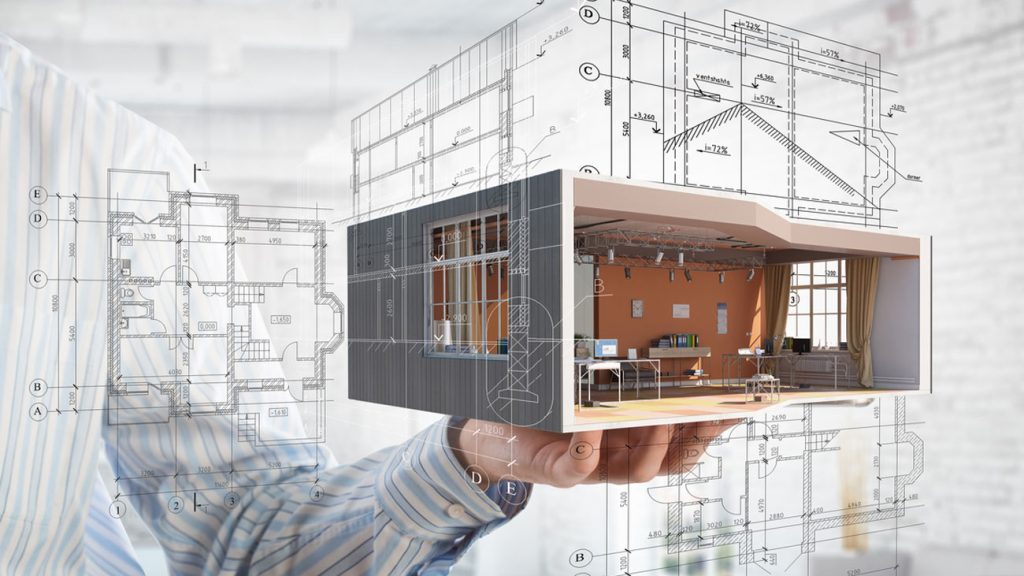
Architectural engineering consultants serve as visionary pioneers in the construction industry, playing a pivotal role in shaping the future of our urban and rural environments. Their expertise, innovative designs, and technical proficiency are instrumental in crafting sustainable, functional, and aesthetically pleasing spaces. This blog aims to delve into the multifaceted role and impact of architectural consultants in shaping the landscapes of tomorrow. Technological Advancements and Innovations Technological advancements have revolutionized the architectural landscape. Consultants leverage cutting-edge software, 3D modeling, and simulation tools to create virtual representations of their designs. BIM (Building Information Modeling) facilitates collaborative design, streamlines construction processes, and enhances project efficiency. Sustainable Design and Environmental Responsibility In an era prioritizing sustainability, architectural consultants are at the forefront of environmentally conscious design. They integrate sustainable materials, energy-efficient systems, and green technologies into their projects to minimize environmental impact. Concepts like passive design, renewable energy integration, and water conservation are integral to their planning. Adaptive Urban Planning and Community Development Architectural engineering consultants contribute significantly to urban planning and community development. Their designs aim to create inclusive, vibrant, and accessible spaces that foster social interaction and community engagement. Concepts like mixed-use developments, walkable neighborhoods, and green spaces cater to diverse community needs. Engineering Excellence and Structural Integrity Ensuring structural stability and safety is a cornerstone of architectural engineering. Consultants employ advanced engineering principles to ensure the structural integrity of buildings. Their expertise in materials, structural analysis, and seismic design ensures that structures withstand environmental pressures and adhere to stringent safety standards. Integration of Art and Functionality Beyond functionality, architectural consultants infuse art and creativity into their designs. Their creations embody a harmonious blend of functionality, cultural context, and aesthetic appeal. Iconic landmarks and innovative structures often serve as symbols of cultural identity and architectural prowess. Collaboration and Project Management Architectural consultants oversee projects from conception to completion, emphasizing collaboration among multidisciplinary teams. They coordinate with architects, engineers, contractors, and stakeholders to ensure seamless project execution. Effective project management ensures adherence to timelines, budgets, and quality standards. Resilient Design for Changing Times In a rapidly changing world, consultants prioritize adaptable and resilient designs. Concepts like flexible spaces, modular construction, and adaptive reuse enable structures to evolve and cater to changing needs. Their forward-thinking approach anticipates future challenges and prepares buildings to withstand evolving demands. Global Influence and Cultural Exchange Architectural engineering consultants contribute to the global architectural landscape. Their designs transcend geographical boundaries, often incorporating diverse cultural influences. Projects around the world showcase their ability to adapt to different contexts while promoting cultural exchange and architectural diversity. Adaptive Design for Urbanization Architectural consultants play a critical role in designing spaces that adapt to the evolving needs of urbanization. They envision and create adaptable structures that accommodate changing demographics, technological advancements, and social dynamics. Concepts such as mixed-use developments, transit-oriented designs, and smart infrastructure cater to the demands of urban living. Embracing Cultural Diversity and Contextual Design A hallmark of architectural consultants is their ability to blend cultural diversity into designs. Their projects respect local traditions, embrace cultural nuances, and integrate historical contexts. By celebrating cultural heritage through architectural expressions, they create spaces that resonate with the community, fostering a sense of identity and pride. Human-Centric and Biophilic Designs A focus on human-centric designs defines the work of architectural engineering consultants. They prioritize creating spaces that promote well-being, comfort, and connectivity. Biophilic designs incorporate natural elements into built environments, fostering a connection with nature, enhancing mental health, and improving productivity. The transformative impact of Technology Technological advancements continue to revolutionize the architectural landscape. Consultants leverage innovative technologies such as parametric design, augmented reality, and artificial intelligence to create immersive experiences and optimize design efficiency. These tools aid in visualizing complex designs and refining architectural concepts. Addressing Climate Change and Resilient Designs In response to climate change, consultants advocate for resilient designs. They integrate climate-responsive strategies, such as passive cooling, rainwater harvesting, and green roofs, to mitigate environmental impacts. Their emphasis on climate-adaptive designs ensures structures are prepared to withstand climate-related challenges. Community Engagement and Participatory Design Consultants engage communities in the design process, practicing participatory design methodologies. They involve stakeholders, gather feedback, and incorporate community aspirations into their designs. This collaborative approach ensures that projects meet the needs and aspirations of the people they serve. Education and Professional Development Architectural consultants contribute to the education and professional development of future architects and engineers. They mentor aspiring professionals, share knowledge through workshops and seminars, and contribute to academic research, fostering a culture of continuous learning and innovation. Ethical and Responsible Design Practices Ethical considerations drive the work of architectural consultants. They prioritize ethical design practices, advocating for social responsibility, inclusivity, and ethical standards in their projects. This commitment ensures that their designs contribute positively to society and uphold ethical principles. Global Connectivity and Cross-Cultural Exchange In an increasingly connected world, consultants collaborate across borders, engaging in cross-cultural exchanges. They draw inspiration from diverse cultures, exchange ideas, and contribute to a global design dialogue. This intercultural exchange enriches architectural diversity and promotes innovation. Conclusion Architectural engineering consultants are pivotal in shaping the landscapes of tomorrow. Their expertise, innovation, and commitment to sustainable, functional, and culturally rich designs leave an indelible mark on our cities and communities. ENGISOFT ENGINEERING – BIM Staffing & BIM Services as stewards of architectural evolution, their creations pave the way for a more resilient, sustainable, and aesthetically captivating future. Their commitment to sustainable, inclusive, and culturally rich designs resonates globally, leaving a lasting legacy that shapes how we live, interact, and thrive in the built environment.
Read More
engisoft

The Role of MEP BIM Services in Streamlining Systems

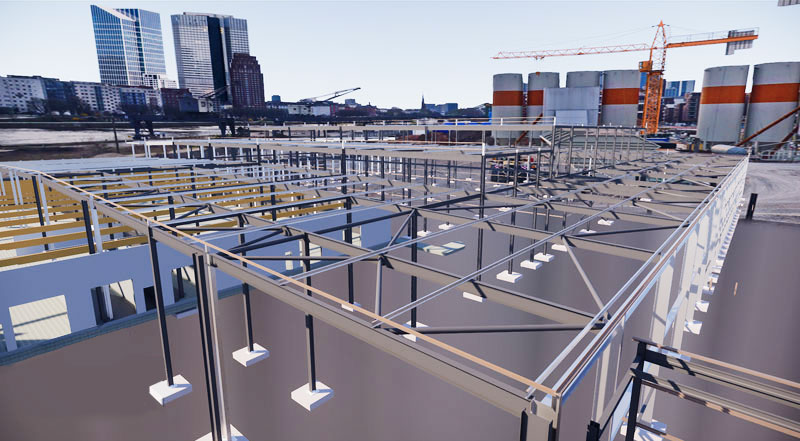
In the ever-evolving landscape of construction, the integration of mechanical, electrical, and plumbing (MEP) systems is pivotal. Building Information Modeling (BIM) emerges as the linchpin that revolutionizes the industry by streamlining processes, enhancing collaboration, and optimizing efficiencies. This blog delves into the transformative power of BIM services, unraveling their impact on modern construction methodologies. Understanding MEP BIM Services BIM services are more than just a technological advancement; they represent a fundamental shift in how construction projects are conceptualized, planned, and executed. The amalgamation of MEP systems within the framework of BIM facilitates a holistic approach to design and execution, allowing for seamless integration and coordination of complex building systems. Streamlining Design and Collaboration One of the core strengths of MEP services lies in their ability to streamline design workflows. Through comprehensive 3D modeling and virtual representations, stakeholders gain a holistic view of the project, enabling better-informed decision-making. The collaborative nature of BIM fosters enhanced communication and coordination among multidisciplinary teams, reducing errors and minimizing conflicts during the construction phase. Optimizing Efficiency and Cost Savings Efficiency is the cornerstone of MEP BIM services By leveraging BIM technology, engineers can optimize system designs, ensure spatial coordination, and simulate real-world scenarios before the construction phase. This proactive approach minimizes rework, reduces material waste, and ultimately translates into substantial cost savings for project stakeholders. Navigating Complexity and Enhancing Coordination MEP systems often entail intricate networks and interdependencies. MEP services provide a platform for seamless integration, allowing for the alignment of diverse systems within the project framework. This integration enhances coordination between mechanical, electrical, and plumbing components, mitigating clashes and ensuring a smoother construction process. Sustainability and Environmental Impact In an era marked by environmental consciousness, MEP services play a pivotal role in fostering sustainability. The ability to simulate energy consumption, optimize HVAC (Heating, Ventilation, and Air Conditioning) systems, and model green building strategies empowers stakeholders to design and construct environmentally responsible buildings, reducing their carbon footprint. Reshaping Maintenance and Facility Management The impact of MEP services extends beyond the construction phase. The comprehensive digital models created during the design and construction process serve as valuable repositories of information for facility managers. These models aid in efficient maintenance, enabling quick access to system information, reducing downtime, and enhancing the overall lifecycle management of buildings. Industry Challenges and Future Prospects Despite the transformative potential, the adoption of MEP BIM services faces challenges such as initial investment costs, data interoperability issues, and skill gaps within the workforce. However, these challenges are gradually being addressed through education, industry-wide collaborations, and advancements in technology. Looking ahead, the future of construction is intrinsically tied to the widespread adoption and evolution of BIM services. Integration of Emerging Technologies MEP BIM services are not static; they evolve in tandem with emerging technologies. The integration of artificial intelligence (AI), machine learning, and augmented reality (AR) further enhances their capabilities. AI algorithms optimize system designs, identify inefficiencies, and predict maintenance needs. AR applications overlay MEP data onto physical spaces, offering on-site guidance and facilitating real-time collaboration. Regulatory Compliance and Risk Mitigation In the construction landscape, compliance with stringent regulations is crucial. MEP services aid in ensuring compliance by providing accurate and up-to-date documentation, facilitating regulatory approvals, and conducting simulations to verify adherence to codes and standards. Moreover, they contribute to risk mitigation by identifying potential clashes or conflicts early in the design phase, averting costly rework during construction. Enhanced Project Visualization and Communication Effective communication is at the core of successful construction projects. MEP services offer visually rich and interactive models that transcend language barriers, allowing stakeholders to visualize the project’s intricacies comprehensively. These models serve as powerful communication tools during client presentations, enabling them to grasp project complexities, make informed decisions, and foster confidence in the project’s execution. Training and Skill Development The widespread adoption of MEP BIM services necessitates a skilled workforce capable of leveraging these technologies to their fullest potential. Training programs and initiatives aimed at upskilling professionals in MEP systems and BIM software are essential. Investing in continuous education ensures that the workforce remains adept at harnessing the capabilities of these advanced tools, maximizing their utilization for improved project outcomes. Global Adoption and Standardization MEP services are not confined by geographical boundaries. They have witnessed global adoption, driving the standardization of processes and protocols across the construction industry. Industry stakeholders recognize the need for interoperability and standardized data formats to ensure seamless collaboration among diverse teams working on international projects. Ethical Considerations and Data Security As MEP services rely heavily on digital data, ensuring data security and ethical usage becomes paramount. Safeguarding intellectual property, ensuring data privacy, and adhering to ethical guidelines in data sharing and usage are essential aspects. Developing robust data governance frameworks is crucial to maintaining trust and integrity within the construction ecosystem.   Conclusion MEP BIM services epitomize a paradigm shift in the construction industry, ushering in an era of efficiency, collaboration, and sustainability. ENGISOFT ENGINEERING – BIM Staffing & BIM Services their role in transforming the design, construction, and management of buildings cannot be overstated. As technology continues to evolve, and industry practices adapt, the impact of BIM services will be instrumental in shaping a smarter, more efficient, and sustainable built environment.  

Read More

Inviting Building Research the Most Recent BIM Advances

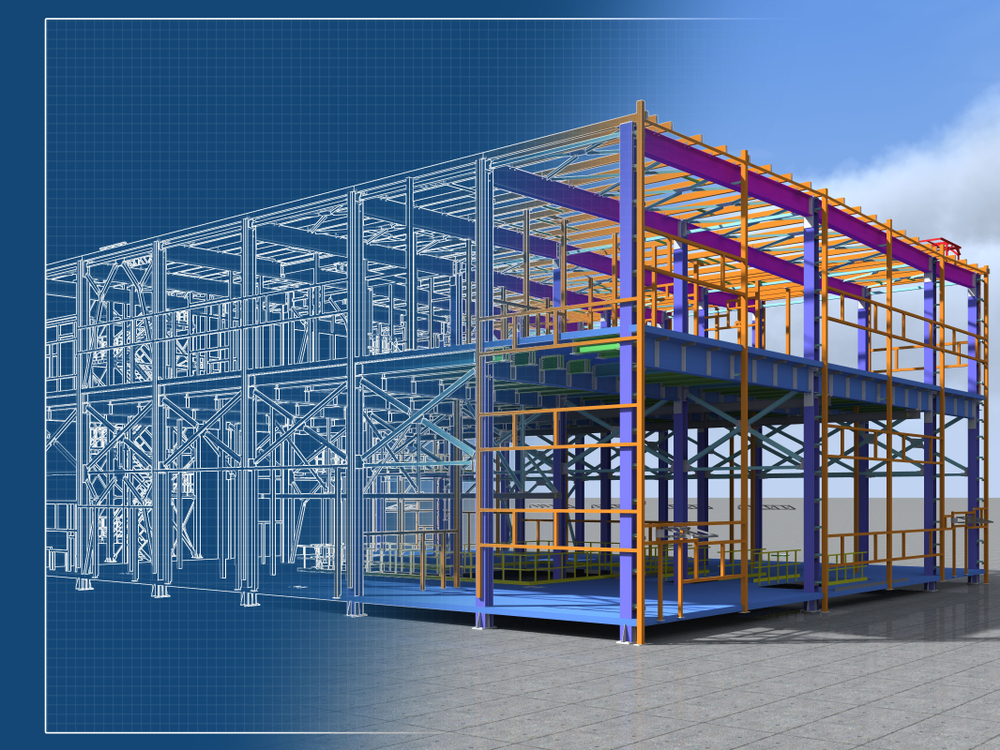
In the realm of construction, embracing technological advancements is pivotal for progress. Among these advancements, Building Information Modeling (BIM) stands out as a transformative force, revolutionizing how construction projects are conceptualized, planned, and executed. Let’s delve into the latest innovations within the realm of BIM and their profound impact on the construction landscape. Understanding BIM A Paradigm Shift in Construction At its core, BIM is not merely a tool but a methodology—a collaborative approach that enables stakeholders to create and manage digital representations of physical and functional characteristics of a project. Unlike traditional 2D blueprints, BIM creates a digital twin of a structure, integrating geometric and non-geometric data to offer a comprehensive view of the entire project lifecycle. Parametric Design and Generative Modeling Recent BIM innovations have focused on enhancing design capabilities. Parametric design within BIM enables architects and engineers to create intelligent, algorithm-driven designs that adjust and adapt based on specified parameters. Generative modeling takes this a step further, exploring countless design iterations to optimize outcomes based on performance and efficiency metrics. Cloud-Based Collaboration and Integration The migration of BIM processes to cloud-based platforms has been a game-changer. Cloud-enabled BIM facilitates seamless collaboration among project stakeholders, regardless of geographical location. This integration ensures real-time access to project data, fostering enhanced communication, and eliminating the silos that often impede traditional project management. Advancements in Virtual Reality (VR) and Augmented Reality (AR) BIM innovations have intersected with VR and AR technologies, offering immersive experiences that transform project visualization. VR allows stakeholders to virtually immerse themselves in designs, facilitating better understanding and decision-making. AR overlays digital data onto physical spaces, enabling stakeholders to view proposed designs within existing environments, aiding in better contextualization and comprehension. Data Analytics and Predictive Modeling BIM’s integration with data analytics has unlocked a treasure trove of insights. Predictive modeling harnesses vast amounts of project data to foresee potential issues, optimize schedules, mitigate risks, and enhance project performance. By leveraging historical project data, BIM-driven predictive analytics enable informed decision-making throughout the project lifecycle. Sustainability and Performance Optimization Innovations in BIM have been pivotal in driving sustainability initiatives within construction. BIM’s ability to simulate energy consumption, daylighting, and material efficiency facilitates the creation of environmentally conscious designs. By analyzing various design iterations, BIM aids in optimizing building performance to meet stringent sustainability standards. Automation and Robotics in Construction The incorporation of automation and robotics into BIM processes streamlines construction operations. From robotic construction crews capable of executing repetitive tasks with precision to automated material handling within BIM frameworks, these innovations minimize errors, reduce labor costs, and expedite project timelines. Challenges and Future Prospects While BIM innovations have revolutionized the construction industry, challenges persist. These include interoperability issues between various BIM software platforms, the need for standardized data formats, cybersecurity concerns, and the learning curve associated with adopting advanced technologies. Looking ahead, the future of BIM lies in further integration with emerging technologies like artificial intelligence, machine learning, and the Internet of Things (IoT). The convergence of these technologies is poised to push the boundaries of what’s achievable within the realm of construction. Interoperability and Standardization One of the key challenges faced in BIM innovation is the need for greater interoperability and standardization among various software platforms. Different stakeholders often use disparate BIM tools, leading to compatibility issues and hindering seamless data exchange. Efforts to establish standardized data formats and protocols are crucial to overcome these challenges, enabling smoother collaboration and data sharing across the construction ecosystem. Cybersecurity Concerns As BIM processes increasingly rely on cloud-based platforms and interconnected systems, cybersecurity becomes a significant concern. Safeguarding sensitive project data from potential cyber threats and ensuring the integrity of BIM models demand robust security measures. Industry-wide standards and protocols for data encryption, access control, and secure data sharing are vital to mitigate these risks. Skill Development and Adoption The widespread adoption of BIM innovations necessitates a skilled workforce capable of leveraging these technologies effectively. Training programs, certifications, and continuous education initiatives are essential to equip professionals with the necessary expertise in using advanced BIM tools. Bridging the gap between traditional construction practices and cutting-edge technologies remains a challenge, emphasizing the need for ongoing skill development efforts. Enhanced Predictive Analytics The integration of machine learning and AI into BIM processes holds immense promise. Predictive analytics, powered by AI algorithms, can analyze vast datasets from previous projects to anticipate potential issues, optimize project schedules, and offer predictive maintenance insights. These advancements in data-driven decision-making have the potential to revolutionize project planning and execution. Regulatory and Cultural Shifts Adopting BIM innovations often requires regulatory adaptations and cultural shifts within the construction industry. Encouraging regulatory bodies to standardize requirements and incentivize BIM adoption, while simultaneously fostering a culture of innovation and openness to new technologies among industry professionals, remains crucial for widespread implementation. The Future Trajectory Looking ahead, BIM’s evolution seems inexorably linked to technological convergence. Integrating BIM with IoT sensors for real-time data collection, AI-driven predictive analytics, and robotics for on-site construction tasks heralds a future where construction processes are more automated, data-driven, and efficient. Conclusion The ongoing innovations within BIM underscore its indispensable role in the construction sector’s evolution. ENGISOFT ENGINEERING – BIM Staffing & BIM Services by continually pushing the envelope in design capabilities, collaboration, data utilization, sustainability, and automation, BIM remains at the forefront of transforming construction practices. As the construction industry embraces these BIM innovations, stakeholders can anticipate streamlined processes, reduced costs, improved project outcomes, and a more sustainable approach to building the structures of tomorrow.

Read More
BIM Services in Infrastructure

The Power of BIM Services in Infrastructure Development

The landscape of infrastructure bim services has evolved dramatically with the integration of Building Information Modeling (BIM) services. BIM isn’t merely a tool; it’s a transformative force reshaping how infrastructure projects are conceptualized, designed, and executed. Revolutionizing Infrastructure Planning BIM services have revolutionized the planning phase of infrastructure projects. By creating detailed 3D models that incorporate architectural, structural, and MEP (Mechanical, Electrical, Plumbing) elements, BIM enables stakeholders to visualize the entire project, identify potential clashes, and make informed decisions before construction begins. Enhancing Collaboration and Communication One of the primary strengths of BIM lies in fostering collaboration among multidisciplinary teams. It serves as a common platform where architects, engineers, contractors, and other stakeholders can collaborate in real-time, exchange ideas, and resolve design conflicts efficiently. Streamlining Design and Construction The utilization of BIM services streamlines the design and construction phases. It enables precise coordination, minimizes errors, and allows for better project sequencing, leading to enhanced efficiency and cost savings throughout the project lifecycle. Improving Project Lifecycle Management BIM isn’t confined to the construction phase alone. It continues to add value throughout the project lifecycle. From initial design to facility management post-construction, BIM serves as a comprehensive database, storing valuable information that aids in maintenance and future renovations. Cost and Time Efficiency Implementing BIM services results in significant cost and time savings. The ability to identify clashes or discrepancies in the design phase prevents costly rework during construction. Additionally, streamlined workflows and enhanced project coordination reduce project timelines. Enhanced Sustainability and Risk Mitigation BIM plays a pivotal role in enhancing sustainability in infrastructure bim services development. By analyzing energy consumption, material usage, and environmental impact within the virtual model, it allows for the implementation of more sustainable design choices. Moreover, BIM aids in identifying and mitigating potential risks early in the project lifecycle. Technology Integration and Future Prospects The integration of BIM with emerging technologies like AI (Artificial Intelligence) and IoT (Internet of Things) opens new frontiers in infrastructure development. Predictive analytics, automated workflows, and smart infrastructure design are on the horizon, promising further advancements in the industry. Industry Adoption and Challenges While BIM adoption has seen significant growth, challenges persist, including initial investment costs, interoperability among different software platforms, and skill gaps within the workforce. Addressing these challenges is crucial to maximizing the potential of BIM in infrastructure development. Future Outlook and Opportunities The future of BIM in infrastructure development is promising. Continued technological advancements, improved collaboration, and addressing industry challenges will lead to more widespread adoption and further innovations in the field. Integration with Smart Cities BIM’s integration with the concept of smart cities marks a significant advancement in urban planning and infrastructure development. By incorporating BIM data into the larger framework of smart city initiatives, cities can optimize resource management, enhance sustainability, and improve overall quality of life for residents. Reshaping Urban Infrastructure The impact of BIM services extends beyond individual projects to reshaping entire urban landscapes. From transportation networks to water supply systems, BIM facilitates holistic planning, enabling cities to create more efficient, interconnected, and resilient infrastructure bim services. Data-Driven Decision Making BIM’s ability to collect and analyze vast amounts of data allows for data-driven decision-making throughout the infrastructure lifecycle. From optimizing maintenance schedules to predicting future infrastructure needs, data analysis empowers stakeholders to make informed choices for better project outcomes. Inclusivity and Accessibility BIM’s visualization capabilities promote inclusivity and accessibility in infrastructure development. Stakeholders, including policymakers, planners, and citizens, can engage with interactive models to understand and contribute to the planning process, fostering a more inclusive approach to infrastructure development. Regulatory and Policy Implications The widespread adoption of BIM has led to regulatory changes and policy adaptations in the construction and infrastructure sectors. Governments worldwide are recognizing the potential of BIM and implementing mandates or incentives to encourage its use, further accelerating its integration into industry practices. Global Collaboration and Standardization Standardization efforts in BIM have facilitated global collaboration among various stakeholders. Initiatives to standardize BIM practices and data formats enable seamless collaboration on international projects, promoting consistency and interoperability across borders. Skill Development and Education The demand for BIM-related skills has surged in the infrastructure sector. Educational institutions and training programs are adapting to this need, offering specialized courses and certifications in BIM technologies to equip the workforce with the necessary skills for the industry’s digital transformation. Environmental and Social Impact Assessment BIM’s capabilities extend to environmental and social impact assessments of infrastructure projects. Its simulation and analysis tools enable stakeholders to assess the potential ecological and social consequences, aiding in the development of more sustainable and socially responsible infrastructure bim services solutions. Adoption Challenges and Future Trends While the benefits of BIM in infrastructure development are vast, challenges such as interoperability issues, data security concerns, and the need for industry-wide collaboration persist. Looking ahead, advancements in AI, machine learning, and cloud-based technologies are expected to address these challenges and drive further innovation in the field. Conclusion The integration of BIM services in infrastructure bim services development signifies a paradigm shift in how projects are conceived, designed, and executed. ENGISOFT ENGINEERING – BIM Staffing & BIM Services Its transformative power lies not only in enhancing efficiency, cost-effectiveness, and sustainability but also in fostering collaboration and innovation across the industry. As technology continues to evolve, the potential for BIM to revolutionize infrastructure development remains vast. Embracing this transformative tool is pivotal for stakeholders aiming to navigate the ever-changing landscape of infrastructure development.  

Read More

Structural BIM Services Building the Future of Construction

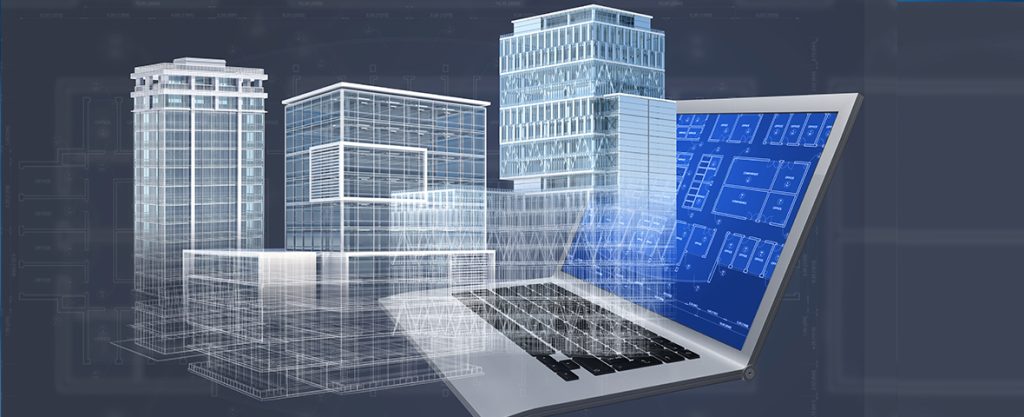
The construction industry is undergoing a transformative shift, and at the forefront of this evolution is Structural Building Information Modeling (BIM). Far beyond a mere software tool, Structural BIM represent a paradigm shift in how buildings are conceptualized, designed, constructed, and managed. This innovative approach not only enhances efficiency but also revolutionizes the entire construction lifecycle. The Essence of Structural BIM Services Structural BIM services embody a collaborative process that leverages digital representations of a building’s physical and functional characteristics. It integrates various aspects, including architectural, structural, and MEP designs into a single, coherent model. This comprehensive representation facilitates better decision-making, streamlines communication, and improves project outcomes. Efficiency and Precision in Design One of the defining aspects of lies in its ability to enhance design precision and efficiency. By creating a detailed digital model of a structure, engineers and architects gain a holistic view, enabling them to anticipate potential conflicts, optimize designs, and ensure structural integrity before construction begins. This minimizes errors, reduces rework, and enhances overall project efficiency. Collaboration and Coordination Central to Structural BIM services is the emphasis on collaboration and coordination among multidisciplinary teams. Architects, structural engineers, contractors, and other stakeholders can work concurrently within the BIM environment, sharing real-time updates, resolving conflicts, and ensuring alignment across different aspects of the project. This collaborative environment fosters synergy and minimizes misunderstandings. Cost-Efficiency and Risk Mitigation Structural BIM play a crucial role in cost estimation and risk mitigation. Accurate quantity take-offs, material specifications, and clash detection capabilities help in cost forecasting, reducing unforeseen expenses and minimizing construction delays. This proactive approach mitigates risks and enhances the financial viability of projects. Construction Simulation and Visualization One of the significant advantages of Structural services is the ability to simulate construction processes and visualize project progression. Through 4D and 5D simulations, stakeholders can visualize the construction sequence and cost implications over time. This foresight enables better planning, resource allocation, and project phasing. Lifecycle Management and Facility Maintenance Beyond construction, Structural services extend to the lifecycle management of structures. The digital model serves as a repository of information that aids in facility management, maintenance planning, and renovations. It provides stakeholders with vital data on building components, maintenance schedules, and potential upgrades throughout the structure’s lifespan. Sustainability Integration BIM services are pivotal in incorporating sustainability into construction practices. By analyzing energy consumption, material choices, and environmental impact within the model, stakeholders can make informed decisions to design and construct more sustainable buildings, contributing to a greener future. Challenges and Adoption Hurdles While the benefits of Structural services are evident, challenges exist in widespread adoption. These include initial investment costs, integration complexities, and the need for specialized skill sets. However, the long-term advantages far outweigh these challenges, making the transition worthwhile for the construction industry. Future Prospects Advancing Construction Practices As technology evolves, the future of Structural BIM services is promising. Advancements in AI, machine learning, and interoperability between software platforms will further enhance the capabilities of BIM, paving the way for more sophisticated and efficient construction practices. Parametric Design and Optimization BIM services allow for parametric design capabilities, enabling engineers to create intelligent, adaptable models. Through parametric tools, designs can be optimized based on various parameters, such as cost, energy efficiency, or structural performance. This iterative design process ensures that the final construction reflects the most optimized and innovative solutions. Risk Management and Error Reduction The implementation of Structural BIM significantly reduces the margin for errors and omissions during construction. Through clash detection and error identification within the digital model, potential conflicts are identified and resolved preemptively, significantly minimizing rework on-site. This proactive approach mitigates risks and ensures smoother construction processes. Global Standardization and Interoperability Global standardization and interoperability are crucial for the widespread adoption of BIM services. Efforts toward standardizing BIM protocols and formats ensure seamless information exchange among various software platforms. This interoperability fosters a more interconnected industry, enabling smoother collaboration on international projects and facilitating data exchange across borders. Education and Skill Development Education and skill development play a pivotal role in the effective utilization of Structural services. Investing in training programs and fostering a culture of continuous learning enables professionals to adapt to evolving technologies and methodologies. Equipping the workforce with the necessary skills ensures the optimal utilization of BIM tools, maximizing their benefits in construction projects. Human-Centric Design and User Experience Structural BIM services are evolving to embrace human-centric design approaches. The focus extends beyond technical aspects to prioritize user experience, occupant comfort, and wellness within buildings. The integration of user-centric design principles ensures that buildings are not just functional but also cater to the needs and well-being of occupants. Artificial Intelligence and Machine Learning Integration The future of Structural services lies in the integration of Artificial Intelligence (AI) and Machine Learning (ML) capabilities. These technologies will enhance predictive analytics, enabling the system to anticipate issues, automate routine tasks, and provide insights for better decision-making. AI-driven BIM models will revolutionize project management, optimizing workflows and resource allocation. Continuous Innovation and Industry Evolution Continuous innovation is key to the evolution of Structural services. Industry stakeholders must collaborate and invest in research and development to push the boundaries of what’s achievable. This ongoing innovation will drive the adoption of new technologies, methodologies, and best practices, propelling the construction industry into new realms of efficiency and sustainability.   Conclusion Structural BIM services are revolutionizing the construction industry, offering an integrated, data-rich approach that transforms traditional construction processes. ENGISOFT ENGINEERING – BIM Staffing & BIM Services Its collaborative nature, precision in design, cost-efficiency, and sustainability integration are reshaping how buildings are envisioned, constructed, and maintained. As the industry continues to embrace innovation, Structural BIM stands as a cornerstone of the future of construction, promising greater efficiency, sustainability, and reliability in building projects.

Read More

TECH CONFERENCE 2021 LONDON

Interdum iusto pulvinar consequuntur augu s est odit mi quosliquid sempero ipsum dolor sit amet, cons ectetur adipiscing elit orto ulum non mollis woiur pokju solti metus.

HOME LAB OPEN STUDIOS

Interdum iusto pulvinar consequuntur augu s est odit mi quosliquid sempero ipsum dolor sit amet, cons ectetur adipiscing elit orto ulum non mollis woiur pokju solti metus.

SOCIAL MEDIA

Subscribe To Our Newsletter

Scroll to Top

Nullam quis risus eget urna mollis ornare vel eu leo. Aenean lacinia bibendum nulla sed 

Subscribe to get 15% discount