BLOG

The only thing standing between you and your goal is the bullshit story you keep telling yourself as to why you can’t achieve it.
engisoft

Streamlining Construction with BIM Structural Modeling Services

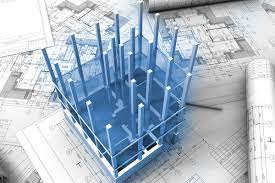
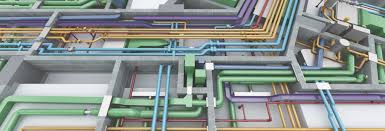
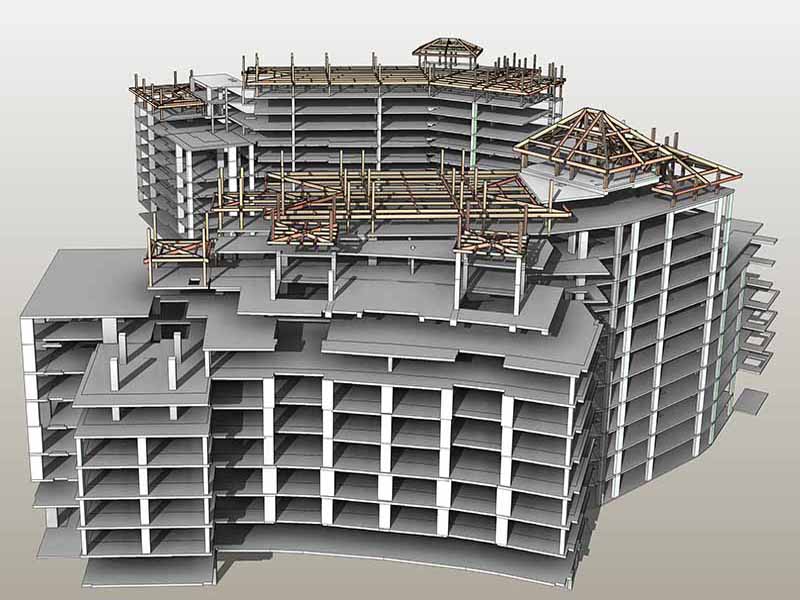
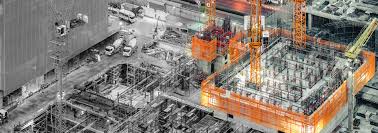
In the ever-evolving landscape of construction, the adoption of innovative technologies has become imperative for streamlining processes, reducing costs, and enhancing project outcomes. Building Information Modeling (BIM) has emerged as a game-changer in the construction industry, offering a comprehensive digital representation of buildings and infrastructure. Within the realm of BIM, structural modeling services play a pivotal role, revolutionizing the way structural designs are conceptualized, developed, and implemented. In this blog post, we’ll delve into the significance of BIM structural modeling services and how they contribute to streamlining construction processes. Understanding BIM Structural Modeling Services At its core, BIM structural modeling involves the creation of digital representations of a building’s structure, including beams, columns, slabs, and foundations, using specialized software. These models provide a detailed overview of the structural components, their interactions, and how they integrate with other building elements. Unlike traditional 2D drawings, BIM structural models are three-dimensional (3D) and offer a higher level of accuracy, visualization, and coordination. Key Features and Benefits Enhanced Visualization BIM structural models offer a realistic 3D visualization of the building’s structure, allowing stakeholders to better understand the design intent and spatial relationships. This visualization capability facilitates early clash detection, minimizing design conflicts and rework during the construction phase. Improved Coordination By integrating structural models with architectural and MEP models, BIM enables interdisciplinary coordination. This integration helps identify and resolve conflicts between different building systems, ensuring seamless collaboration among architects, engineers, and contractors. Accurate Quantification BIM structural models provide accurate quantity takeoffs, enabling more precise cost estimation and material procurement. By extracting quantities directly from the model, project stakeholders can streamline the bidding process and avoid discrepancies in material quantities, leading to cost savings and improved project efficiency. Iterative Design Process BIM facilitates an iterative design process wherein structural engineers can quickly test different design scenarios, evaluate their performance, and make informed decisions based on analysis results. This iterative approach fosters innovation and optimization, resulting in structurally efficient designs that meet project requirements. Construction Planning and Sequencing With BIM structural models, construction sequencing and phasing can be visualized and analyzed in detail. Contractors can simulate the construction process, identify potential conflicts or site constraints, and develop optimized construction schedules to improve project efficiency and minimize delays. Lifecycle Management BIM structural models serve as a valuable asset throughout the lifecycle of a building, from design and construction to operation and maintenance. By incorporating relevant data such as material specifications, maintenance schedules, and facility management information, these models facilitate efficient building management and asset tracking over time. Case Studies The iconic the world’s tallest building, stands as a testament to the power of BIM in structural design and construction. BIM was extensively utilized throughout the project lifecycle, from conceptual design to final construction documentation. Structural modeling played a crucial role in optimizing the building’s complex geometry, analyzing wind and seismic loads, and coordinating structural elements with architectural and MEP systems. The result was a structurally sound skyscraper delivered within budget and ahead of schedule. Europe’s largest construction project, employed BIM extensively to coordinate the construction of tunnels, stations, and railway systems. BIM Structural Modeling Services facilitated clash detection, coordination between multidisciplinary teams, and efficient construction sequencing. By leveraging BIM, the project team was able to mitigate risks, minimize disruptions, and deliver a world-class transportation infrastructure that enhances connectivity across London. Future Trends and Opportunities As technology continues to evolve, several trends are shaping the future of BIM structural modeling services: Integration of Advanced Analysis Tools The integration of advanced structural analysis tools within BIM platforms enables engineers to perform complex simulations and optimize designs for performance and sustainability. Cloud Collaboration and Mobile Accessibility Cloud-based BIM platforms and mobile applications enable real-time collaboration among project stakeholders, regardless of their location. This enhances communication, accelerates decision-making, and improves project coordination. Machine learning algorithms and artificial intelligence (AI) capabilities are being integrated into BIM software to automate repetitive tasks, enhance design optimization, and extract valuable insights from project data. Sensor Integration The Internet of Things and sensor technology are being integrated with BIM to enable real-time monitoring of structural health, predictive maintenance, and performance optimization throughout a building’s lifecycle. Conclusion BIM structural modeling services have revolutionized the construction industry, offering a myriad of benefits including enhanced visualization, improved coordination, accurate quantification, and lifecycle management. ENGISOFT ENGINEERING – BIM Staffing & BIM Services By partnering with experienced BIM professionals, firms can access specialized expertise, achieve scalability and flexibility, realize cost savings, improve efficiency and productivity, and enhance design quality and accuracy. By embracing BIM, construction professionals can streamline processes, reduce costs, mitigate risks, and deliver projects more efficiently. As technology continues to evolve, the future of BIM holds tremendous potential for innovation and advancement, paving the way for smarter, more sustainable, and resilient built environments. Embracing these advancements will be crucial for staying competitive in an increasingly digitalized construction landscape.
Read More
engisoft

Navigating Projects Leveraging Infrastructure BIM Services

In today’s construction landscape, complex infrastructure projects demand meticulous planning, precise execution, and seamless coordination among multiple stakeholders. The integration of Building Information Modeling (BIM) services has emerged as a transformative tool in this realm, offering unprecedented capabilities to streamline workflows, enhance collaboration, and optimize project outcomes. From roads and bridges to railways and airports, leveraging infrastructure BIM services has become indispensable for navigating the intricacies of large-scale projects efficiently. Let’s delve into how BIM services revolutionize the management of complex infrastructure endeavors. Understanding Infrastructure BIM Services Building Information Modeling (BIM) involves creating digital representations of physical and functional characteristics of infrastructure projects. Unlike traditional 2D drawings, BIM encompasses a comprehensive 3D model enriched with data attributes, enabling stakeholders to visualize, simulate, and analyze various aspects of the project lifecycle. Infrastructure BIM services extend this concept to infrastructure projects, offering tailored solutions for roads, bridges, tunnels, railways, airports, and other civil engineering endeavors. These services integrate multidisciplinary data, including architectural, structural, mechanical, and electrical elements, into a unified platform, fostering synergy among diverse project stakeholders. Streamlining Design and Planning One of the primary benefits of leveraging BIM services in infrastructure projects lies in its ability to streamline the design and planning phases. By creating a digital twin of the infrastructure, engineers and architects can visualize the project in its entirety, identify potential clashes or design flaws, and iteratively refine the plans before construction commences. Through advanced simulation capabilities, BIM services enable stakeholders to assess the performance of infrastructure under various conditions, such as traffic flow, structural stress, and environmental factors. This proactive approach minimizes design errors, optimizes resource allocation, and enhances the overall quality of the project. Enhancing Collaboration and Coordination Collaboration is essential in complex infrastructure projects involving numerous stakeholders, including architects, engineers, contractors, and government agencies. BIM services facilitate seamless collaboration by providing a centralized platform where all project-related information is accessible in real-time. With cloud-based BIM solutions, stakeholders can collaborate remotely, regardless of their geographical locations. This fosters a collaborative environment where teams can communicate effectively, share updates, and resolve issues promptly, thereby mitigating delays and cost overruns. Furthermore, BIM services promote coordination among different disciplines involved in the project, ensuring that architectural, structural, and MEP (Mechanical, Electrical, Plumbing) components integrate harmoniously. This integrated approach minimizes conflicts during construction, enhances constructability, and accelerates project timelines. Optimizing Construction and Maintenance During the construction phase, BIM services continue to play a pivotal role in optimizing processes and maximizing efficiency. Through 4D and 5D BIM, which integrate scheduling and cost data into the 3D model, project managers can visualize the construction sequence, identify potential bottlenecks, and optimize resource utilization. Additionally, BIM services facilitate the use of prefabrication and modular construction techniques, where components are fabricated off-site and assembled on-site. This approach not only accelerates construction but also improves quality control and minimizes material wastage. Beyond construction, BIM services also offer significant benefits for infrastructure maintenance and operations. By digitizing asset information and embedding maintenance schedules within the BIM model, asset managers can optimize maintenance activities, extend asset lifespan, and ensure optimal performance throughout the asset lifecycle. Addressing Challenges and Driving Innovation While the adoption of BIM services in infrastructure projects offers numerous benefits, it also presents challenges that must be addressed effectively. These challenges include interoperability issues between different software platforms, data security concerns, and the need for upskilling the workforce to leverage BIM technologies effectively. Addressing these challenges requires a collaborative effort from industry stakeholders, including software developers, government agencies, and educational institutions. Standardizing data formats, enhancing cybersecurity measures, and investing in training programs can facilitate the widespread adoption of BIM services and drive innovation in the infrastructure sector. Furthermore, emerging technologies such as artificial intelligence (AI), virtual reality (VR), and Internet of are poised to complement BIM services, further enhancing project outcomes. AI algorithms can analyze vast amounts of BIM data to optimize design parameters, VR simulations can provide immersive experiences for project stakeholders, and IoT sensors can provide real-time monitoring of infrastructure performance. Conclusion Leveraging infrastructure BIM services is essential for navigating complex projects efficiently in today’s construction landscape. By harnessing the power of digital modeling, collaboration platforms, and advanced simulation techniques, stakeholders can streamline design and planning, enhance collaboration and coordination, optimize construction and maintenance, and drive innovation across the infrastructure sector.

Read More
engisoft

Revolutionizing Construction Understanding Infrastructure BIM Services

In the rapidly evolving landscape of construction, where precision, efficiency, and sustainability reign supreme, Building Information Modeling (BIM) has emerged as a transformative force. Among its various applications, Infrastructure BIM services stand out as a cornerstone of modern construction practices. By seamlessly integrating technology, data, and collaboration, Infrastructure BIM services streamline the entire construction process, from planning and design to maintenance and beyond. Understanding Infrastructure BIM Services Building Information Modeling (BIM) is a collaborative process that allows multiple stakeholders, including architects, engineers, contractors, and project managers, to work together on a digital representation of a building or infrastructure project. Infrastructure BIM services extend this approach to large-scale projects such as roads, bridges, tunnels, and utilities. At its core, Infrastructure BIM involves creating a detailed digital model of the entire project, including its physical and functional characteristics. This model serves as a central repository for all project-related information, ranging from architectural and engineering designs to cost estimates, construction schedules, and maintenance plans. Key Components of Infrastructure BIM Services 3D Modeling The foundation of Infrastructure BIM services lies in creating accurate 3D models of the project. These models represent every aspect of the infrastructure, allowing stakeholders to visualize the project in its entirety. From the layout of roads and structures to the placement of utilities and landscaping, the 3D model provides a comprehensive view of the project’s design. Data Integration Infrastructure BIM services integrate various types of data into the digital model. This includes architectural drawings, engineering calculations, geographic information system (GIS) data, survey data, and more. By consolidating this information into a single platform, stakeholders can make informed decisions throughout the project lifecycle. Collaboration One of the most significant advantages of Infrastructure BIM services is the ability to facilitate collaboration among project stakeholders. Architects, engineers, contractors, and owners can work together in real-time, sharing updates, resolving conflicts, and coordinating activities more effectively. This collaborative approach helps minimize errors, reduce rework, and improve overall project efficiency. Visualization and Simulation Infrastructure BIM services enable stakeholders to visualize the project through virtual reality (VR) and augmented reality (AR) technologies. This allows for immersive experiences that enhance understanding and decision-making. Additionally, simulation tools can analyze various scenarios, such as traffic flow or structural integrity, helping stakeholders anticipate and address potential issues before they arise. Cost Estimation and Analysis By integrating cost data into the BIM model, stakeholders can accurately estimate project costs at every stage of development. This allows for better cost control and budget management throughout the project lifecycle. Furthermore, Infrastructure BIM services enable stakeholders to conduct cost-benefit analyses and explore alternative design options to optimize project outcomes. Scheduling and Phasing Infrastructure BIM services include tools for scheduling and phasing construction activities. By simulating the construction process in the digital model, stakeholders can identify potential conflicts and optimize sequencing to minimize disruptions and delays. This proactive approach to scheduling helps ensure that projects are completed on time and within budget. Benefits of Infrastructure BIM Services Improved Project Coordination Infrastructure BIM services facilitate better coordination among project stakeholders, leading to fewer conflicts and delays. By providing a centralized platform for communication and collaboration, BIM helps ensure that everyone is on the same page throughout the project lifecycle. Enhanced Decision-Making With access to real-time data and visualization tools, stakeholders can make more informed decisions at every stage of the project. Whether it’s choosing between design options, evaluating construction methods, or planning maintenance activities, BIM provides the information needed to optimize outcomes. Increased Efficiency By streamlining workflows, reducing rework, and minimizing errors, Infrastructure BIM services improve overall project efficiency. Tasks that once took weeks or months can now be completed in a fraction of the time, allowing projects to move forward more quickly and cost-effectively. Cost Savings By identifying potential issues early in the design phase, Infrastructure BIM services help minimize costly changes during construction. Additionally, the ability to optimize design and construction processes can result in significant cost savings over the life of the project. Sustainability Infrastructure BIM services support sustainable design and construction practices by enabling stakeholders to analyze environmental impacts, optimize energy efficiency, and minimize waste. By considering sustainability factors from the outset, projects can reduce their carbon footprint and contribute to a more resilient built environment. The Benefits of Infrastructure BIM Services in Action To illustrate the impact of Infrastructure BIM services, let’s consider a hypothetical bridge construction project. By implementing BIM from the outset, the project team was able to: Collaboratively design a bridge that met all technical requirements while minimizing material usage and environmental impact. Identify potential clashes between structural elements and utilities early in the design phase, preventing costly delays during construction. Simulate traffic flow patterns to optimize bridge geometry and improve safety for motorists and pedestrians. Generate accurate cost estimates and construction schedules, allowing for better budget management and resource allocation. Provide stakeholders with immersive VR experiences to visualize the completed bridge and gather feedback before construction began. Monitor the bridge’s performance post-construction using real-time sensor data, enabling proactive maintenance and ensuring long-term durability. By leveraging Infrastructure BIM services, the project team was able to deliver a high-quality bridge that met all project objectives on time and within budget. Conclusion Infrastructure BIM services represent a paradigm shift in the way large-scale construction projects are planned, designed, and executed. By harnessing the power of technology, data, and collaboration, BIM enables stakeholders to work together more efficiently, make better decisions, and deliver projects that are more sustainable and cost-effective. As the construction industry continues to evolve, Infrastructure BIM services will play an increasingly critical role in driving innovation and advancing best practices. By embracing this transformative approach, construction professionals can unlock new opportunities for success and usher in a new era of infrastructure development.

Read More
engisoft

Exploring the Dynamics of BIM Implementation Services

In the dynamic realm of construction and architecture, the fusion of technology and innovation has catalyzed a seismic shift in how we conceptualize, execute, and manage building projects. At the vanguard of this transformation lies Building Information Modeling (BIM) and its implementation services, heralding a new era of efficiency, collaboration, and sustainability in the built environment. Unveiling BIM Implementation Services Central to comprehending the trajectory of BIM in construction is understanding the multifaceted spectrum of BIM implementation services. These services encompass a broad array of offerings tailored to harness the full potential of BIM technology. Strategic Consulting Proactive guidance and strategic consultancy to navigate the complexities of integrating BIM workflows into organizational processes and culture. Customized training initiatives designed to equip professionals with the requisite skills and proficiency to leverage BIM tools and methodologies effectively. Comprehensive Modeling Solutions From conceptualization to detailed design, BIM implementation services offer comprehensive modeling solutions, enabling the creation of intricate digital representations of buildings and infrastructure. Facilitating seamless collaboration and coordination among multidisciplinary teams through BIM-enabled platforms, fostering synergy and minimizing conflicts. Holistic Project Management Overarching project management services, overseeing BIM implementation across the project lifecycle, encompassing data management, quality assurance, and performance optimization. Unraveling the Benefits of BIM Implementation The adoption of BIM implementation services engenders a plethora of benefits, reshaping traditional paradigms and unlocking new possibilities. Enhanced Collaboration BIM fosters enhanced collaboration and communication among stakeholders, mitigating errors, and optimizing decision-making processes. The three-dimensional visualization capabilities of BIM empower stakeholders with unparalleled clarity, facilitating a deeper understanding of design intent and project intricacies. Streamlined Efficiency By automating workflows and optimizing processes, BIM implementation services streamline project delivery, enhancing efficiency, and reducing costs. BIM serves as a catalyst for embedding sustainability principles into the built environment, enabling rigorous analysis of environmental performance metrics and informed decision-making. Lifecycle Optimization Leveraging BIM data beyond construction, organizations can optimize building operations and maintenance, driving long-term sustainability and performance. Embarking on a Journey of Innovation Numerous exemplars underscore the transformative potential of BIM implementation services in shaping the future of building. Europe’s iconic skyscraper, The Shard, stands as a testament to the power of BIM, facilitating seamless collaboration and coordination across project stakeholders. BIM played a pivotal role in the construction of One World Trade Center, enabling precise coordination and clash detection, ensuring the project’s success. Marina Bay Sands, Singapore The iconic Marina Bay Sands complex exemplifies the integration of BIM into complex architectural endeavors, optimizing construction sequences and minimizing waste. Navigating Challenges, Embracing Opportunities Despite the undeniable potential of BIM implementation services, challenges persist on the path to widespread adoption. The upfront costs associated with BIM implementation, including software, training, and infrastructure, pose significant barriers for many organizations. Bridging the skills gap and fostering a proficient workforce capable of harnessing BIM technology remains a formidable challenge. Interoperability Hurdles Ensuring seamless interoperability between disparate BIM platforms and software solutions remains an ongoing concern. Continuous advancements in BIM software, coupled with the proliferation of cloud computing and mobile technologies, are democratizing access to BIM solutions. Convergence with Emerging Technologies The convergence of BIM with emerging technologies such as Internet of Things (IoT) and Artificial Intelligence (AI) holds the promise of unlocking new frontiers in building design, construction, and management. BIM transcends geographical boundaries, paving the way for unprecedented global collaboration and knowledge exchange, catalyzing innovation on a global scale. Conclusion BIM implementation services stand as a cornerstone of innovation and progress in the construction industry, offering a transformative framework for building design, construction, and management. ENGISOFT ENGINEERING – BIM Staffing & BIM Services. Despite the challenges that lie ahead, the potential for BIM to reshape the built environment is undeniable. As we embark on this journey of innovation, collaboration, and sustainability, one thing remains clear: the future of building is intricately intertwined with the transformative power of BIM implementation services.

Read More
engisoft

Streamlining Construction The Benefits BIM Implementation Services

In the dynamic landscape of construction, technological advancements continually reshape the industry’s practices, aiming for efficiency, precision, and sustainability. Building Information Modeling (BIM) stands at the forefront of this transformation, revolutionizing the way buildings and infrastructure are designed, constructed, and managed. In this blog, we delve into the manifold benefits of BIM Implementation Services, exploring how it streamlines construction processes and enhances project outcomes. Understanding BIM BIM is not merely a software or tool; it represents a paradigm shift in the approach to construction projects. At its core, BIM is a digital representation of physical and functional characteristics of places. It goes beyond 3D modeling by incorporating additional dimensions such as time (4D) and cost (5D), along with other pertinent information. This comprehensive model serves as a shared knowledge resource for information about a facility, forming a reliable basis for decision-making throughout its lifecycle. Enhanced Collaboration and Coordination One of the most significant advantages of BIM lies in its ability to foster collaboration among various stakeholders involved in a construction project. Architects, engineers, contractors, and facility managers can work concurrently on the same model, facilitating seamless coordination and communication. This integrated approach minimizes errors, reduces conflicts, and ensures that all parties are aligned with the project’s objectives. With real-time access to a centralized database, teams can make informed decisions promptly, thereby accelerating the construction timeline. Improved Design Efficiency BIM enables architects and designers to create highly detailed and accurate digital representations of structures. By visualizing the entire project in a virtual environment, they can identify potential issues early in the design phase and implement necessary modifications before construction begins. This proactive approach not only enhances design quality but also optimizes resource utilization and minimizes rework, leading to cost savings. Furthermore, BIM Implementation Services exploration of alternative design options, empowering stakeholders to make informed choices that align with project requirements and objectives. Clash Detection and Risk Mitigation Constructability issues and clashes between different building systems can significantly impede project progress and incur additional costs. BIM’s clash detection capabilities allow teams to identify and resolve conflicts virtually before they manifest on the construction site. By simulating various construction scenarios and analyzing potential clashes, stakeholders can proactively mitigate risks and ensure smoother project execution. This proactive risk management approach enhances safety, reduces costly delays, and fosters a more efficient construction process. Accurate Cost Estimation and Budget Management Cost overruns are a prevalent concern in construction projects, often stemming from inaccurate initial cost estimates and unforeseen changes during construction. BIM’s 5D capabilities integrate cost data with the digital model, enabling stakeholders to generate accurate cost estimates and track expenses throughout the project lifecycle. By linking design elements to cost data, BIM facilitates comprehensive budget management, allowing project teams to make informed decisions that align with financial constraints. This transparent approach enhances cost control, minimizes budget overruns, and improves overall project financial performance. Enhanced Sustainability and Lifecycle Management In an era increasingly focused on sustainability, BIM plays a pivotal role in promoting environmentally conscious design and construction practices. By analyzing factors such as energy consumption, material usage, and environmental impact within the digital model, stakeholders can make informed decisions to optimize sustainability performance. Additionally, BIM’s lifecycle management capabilities extend beyond construction, enabling efficient facility operation and maintenance. By integrating asset information into the model, facility managers can streamline maintenance workflows, optimize energy usage, and prolong the lifespan of built assets, thereby maximizing return on investment and reducing environmental footprint. Streamlined Construction Operations BIM Implementation Services revolutionizes construction operations by digitizing and optimizing various processes. From quantity takeoffs and procurement to scheduling and logistics planning, BIM facilitates greater efficiency and accuracy across the board. Automated workflows and data-driven decision-making enable project teams to streamline construction operations, minimize waste, and enhance productivity. By leveraging BIM for construction sequencing and progress tracking, stakeholders can monitor project milestones in real time, identify potential bottlenecks, and proactively address issues to ensure timely project delivery. Regulatory Compliance and Documentation Construction projects are subject to numerous regulatory requirements and documentation standards, which can be daunting to navigate without proper tools and systems in place. BIM serves as a central repository for project information, ensuring compliance with regulatory standards and facilitating documentation management. By incorporating relevant regulations and standards into the digital model, stakeholders can streamline compliance efforts and reduce the risk of costly violations. Additionally, BIM’s ability to generate detailed documentation, including as-built drawings and facility manuals, simplifies handover processes and enhances the transition from construction to facility management. Conclusion The implementation of BIM Implementation Services offers a multitude of benefits that revolutionize the construction industry. From enhanced collaboration and coordination to improved design efficiency, clash detection, and risk mitigation, BIM streamlines construction processes and enhances project outcomes. By leveraging BIM’s capabilities for accurate cost estimation, sustainability analysis, and streamlined operations, stakeholders can optimize project performance, minimize risks, and deliver projects more efficiently. As BIM continues to evolve and integrate with emerging technologies, its role in shaping the future of construction remains indispensable, driving innovation and transforming the built environment for generations to come.

Read More

TECH CONFERENCE 2021 LONDON

Interdum iusto pulvinar consequuntur augu s est odit mi quosliquid sempero ipsum dolor sit amet, cons ectetur adipiscing elit orto ulum non mollis woiur pokju solti metus.

HOME LAB OPEN STUDIOS

Interdum iusto pulvinar consequuntur augu s est odit mi quosliquid sempero ipsum dolor sit amet, cons ectetur adipiscing elit orto ulum non mollis woiur pokju solti metus.

SOCIAL MEDIA

Subscribe To Our Newsletter

Scroll to Top

Nullam quis risus eget urna mollis ornare vel eu leo. Aenean lacinia bibendum nulla sed 

Subscribe to get 15% discount