
BLOG

The only thing standing between you and your goal is the bullshit story you keep telling yourself as to why you can’t achieve it.
Engineering companies in Dubai

Precision Engineering BIM Structural Modeling Services

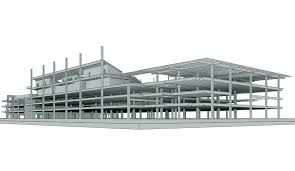
In the realm of construction and engineering, precision is paramount. Every beam, every joint, and every connection must be meticulously planned and executed to ensure the structural integrity of a building or infrastructure project. This is where Building Information Modeling (BIM) emerges as a game-changer, revolutionizing the way structural engineering is approached. In this comprehensive guide, we delve into the significance of precision engineering BIM structural modeling services and how they contribute to ensuring the integrity of structures. Understanding Precision Engineering BIM Structural Modeling At its core, BIM is a digital representation of the physical and functional characteristics of a structure. It integrates architecture, engineering, and construction data into a centralized model, providing stakeholders with a holistic view of the project throughout its lifecycle. Precision engineering BIM structural modeling takes this concept further by focusing specifically on the structural components of a building or infrastructure. The Importance of Precision Engineering in Structural Modeling Structural integrity is non-negotiable in construction. Even minor deviations or errors in design can compromise the safety and longevity of a structure. Precision engineering ensures that every aspect of the structural design is accurate and optimized for performance. By leveraging advanced BIM software and techniques, engineers can model complex structures with unparalleled accuracy, identifying potential issues and optimizing designs before construction begins. Engineering BIM Structural Modeling Services Enhanced Collaboration: BIM facilitates collaboration among architects, engineers, contractors, and other stakeholders by providing a unified platform for communication and data sharing. This collaborative environment fosters innovation and ensures that everyone is working towards a common goal – delivering a structurally sound and efficient building. Improved Visualization Traditional 2D drawings can be challenging to interpret, especially for complex structural systems. BIM allows stakeholders to visualize the entire structure in 3D, enabling better understanding and decision-making throughout the design and construction process. Early Detection of Conflicts One of the most significant advantages of BIM is its ability to detect clashes and conflicts early in the design phase. This includes clashes between structural elements, MEP systems, and architectural components. By identifying these issues upfront, costly rework during construction can be minimized or avoided altogether. Optimized Structural Design Precision engineering BIM structural modeling enables engineers to explore multiple design options and analyze their performance in real-time. This iterative design process leads to optimized structural solutions that meet performance requirements while minimizing material usage and construction costs. Streamlined Construction Accurate and detailed BIM models serve as a comprehensive reference for contractors during construction. From quantity take-offs to sequencing and scheduling, BIM streamlines the construction process, reducing errors, and delays. Facilitates Maintenance and Facility Management BIM models are not just useful during the design and construction phases; they also serve as valuable assets for facility management and maintenance. By incorporating relevant data such as equipment specifications and maintenance schedules, BIM facilitates proactive maintenance, extending the lifespan of the structure. Precision Engineering BIM Structural Modeling High-Rise Commercial Tower: In a recent project, a team of structural engineers utilized precision engineering BIM structural modeling to design a high-rise commercial tower. By simulating various load scenarios and analyzing structural performance in real-time, the team optimized the design to withstand wind and seismic forces while minimizing construction costs. Bridge Rehabilitation Project In another example, a transportation agency employed BIM structural modeling services to rehabilitate an aging bridge. By creating an accurate digital twin of the structure, engineers identified areas of deterioration and developed a targeted rehabilitation plan, extending the bridge’s lifespan and ensuring the safety of motorists. Conclusion Precision engineering BIM structural modeling services represent a paradigm shift in the way structural engineering is approached. By leveraging advanced digital tools and techniques, engineers can design, analyze, and optimize structures with unprecedented accuracy and efficiency. From enhancing collaboration to streamlining construction and maintenance, the benefits of precision engineering BIM structural modeling are undeniable. As we look to the future, continued innovation in this field promises to shape the built environment for generations to come.

Read More
engisoft

Integrated BIM Solutions for BIM Structural Modeling Services

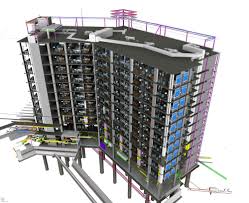
In the realm of modern construction and engineering, Building Information Modeling (BIM) has emerged as a transformative technology, particularly in the field of structural engineering. BIM not only facilitates accurate and efficient structural modeling but also enables integrated solutions that streamline the entire construction process. This blog explores the significance of integrated BIM solutions for BIM structural modeling services, detailing their benefits and impact on the construction industry. Understanding BIM Structural Modeling Before delving into integrated BIM solutions, it’s essential to grasp the fundamentals of BIM structural modeling. BIM involves creating digital representations of physical and functional characteristics of a building or structure. In structural engineering, BIM models capture detailed information about a structure’s geometry, materials, and other properties, enabling visualization, simulation, and analysis throughout the project lifecycle. BIM structural modeling encompasses the creation of 3D models that accurately depict structural components such as beams, columns, slabs, and connections. These models provide insights into how different elements interact and perform within the overall building design. By simulating real-world behavior digitally, engineers can identify and resolve potential issues early in the design phase, minimizing risks and enhancing project outcomes. Importance of Integrated BIM Solutions Integrated BIM solutions go beyond traditional modeling approaches by incorporating collaboration, interoperability, and data-driven workflows. They integrate various aspects of a construction project, including architecture, engineering, construction, and facility management, into a unified platform. This integration fosters enhanced communication, coordination, and efficiency across project stakeholders. Collaboration and Coordination Integrated BIM solutions facilitate seamless collaboration among architects, structural engineers, contractors, and other stakeholders. By working within a shared BIM environment, teams can coordinate design changes, identify clashes, and resolve conflicts more efficiently, reducing rework and project delays. Interoperability and Data Exchange BIM solutions integrate diverse software applications used in different project phases, ensuring smooth data exchange and interoperability. This interconnectedness enables real-time updates across disciplines, promoting a holistic understanding of the project and its implications. Efficient Workflows Integrated BIM workflows streamline project management tasks, from conceptual design to construction documentation. Automated processes and standardized protocols enhance efficiency, enabling teams to focus more on innovation and problem-solving rather than repetitive tasks. Benefits of Integrated BIM Solutions in Structural Modeling The adoption of integrated BIM solutions offers several tangible benefits to structural modeling services within the construction industry: Enhanced Visualization and Analysis Integrated BIM platforms provide advanced visualization tools and simulation capabilities. Structural engineers can visualize complex structures in 3D, simulate load-bearing scenarios, and conduct structural analysis with greater accuracy. Improved Accuracy and Quality By centralizing project data and eliminating silos, integrated BIM Structural Modeling Services solutions reduce errors and discrepancies in structural models. This leads to higher-quality designs and construction documentation, minimizing rework during the construction phase. Streamlined Construction Processes Integrated BIM workflows optimize construction processes by enabling precise quantity take-offs, clash detection, and construction sequencing. This results in improved project scheduling, resource utilization, and cost control. Lifecycle Management BIM supports the entire lifecycle of a structure, from design and construction to operation and maintenance. Integrated solutions facilitate data continuity, allowing stakeholders to leverage BIM models for facility management and renovation projects. Real-world Applications and Case Studies Numerous real-world examples highlight the transformative impact of integrated BIM solutions in structural modeling: The Shard, London The design and construction of The Shard, one of London’s iconic skyscrapers, relied heavily on BIM for structural analysis and coordination. Integrated BIM workflows enabled seamless collaboration among international design teams and construction firms, resulting in the successful completion of this ambitious project. Infrastructure Projects Large-scale infrastructure projects like bridges and tunnels benefit from integrated BIM solutions for complex structural analysis, clash detection, and construction sequencing. These projects demonstrate the potential of BIM to enhance efficiency and safety in critical infrastructure development. Future Trends and Outlook Looking ahead, the evolution of integrated BIM solutions promises further advancements in structural modeling and construction practices. Key trends shaping the future of BIM include: Cloud-based Collaboration Cloud technology will facilitate anytime, anywhere access to BIM data, fostering global collaboration among dispersed project teams. BIM will integrate with Internet of Things devices to enable real-time monitoring and performance analysis of built assets. Artificial Intelligence (AI) will enhance BIM workflows by automating routine tasks and generating predictive insights. Conclusion Integrated BIM solutions represent a paradigm shift in BIM Structural Modeling Services, offering unprecedented levels of collaboration, efficiency, and innovation in construction projects. By embracing these solutions, structural engineers can optimize design processes, improve project outcomes, and pave the way for a more sustainable and resilient built environment. As the construction industry continues to evolve, integrated BIM will remain a cornerstone of modern engineering practices, driving efficiency and excellence across the construction lifecycle.

Read More
engisoft

Future Trends and Innovations in Structural BIM Services

Building Information Modeling has become an indispensable tool in the architecture, engineering, and construction industry, revolutionizing the way buildings and infrastructure projects are designed, constructed, and managed. In recent years, BIM technology has evolved rapidly, and its applications continue to expand. In the realm of structural engineering, BIM services are poised to undergo significant transformations driven by emerging trends and innovative technologies. Let’s delve into the future trends and innovations shaping the landscape of structural BIM services. Integration of Generative Design One of the most promising trends in structural BIM is the integration of generative design techniques. Generative design uses algorithms and AI to explore numerous design options based on specified criteria and constraints. In structural engineering, this means creating optimized designs that maximize strength while minimizing material usage and construction costs. BIM platforms will increasingly incorporate generative design tools, allowing engineers to explore innovative structural solutions efficiently. Advanced Simulation and Analysis Future Structural BIM services will rely heavily on advanced simulation and analysis capabilities. Real-time structural analysis within BIM environments will enable engineers to evaluate the performance of designs under various loads and conditions instantly. This integration of analysis into BIM platforms will facilitate more informed decision-making, leading to safer and more efficient structural designs. IoT and Sensor Integration The Internet of Things (IoT) is poised to transform the way buildings are constructed and managed. In structural BIM, IoT sensors can be embedded into buildings during construction, providing real-time data on structural behavior, occupancy patterns, and environmental conditions. This data can be fed back into the BIM model, enabling predictive maintenance, performance optimization, and even adaptive building design. Collaborative Workflows and Cloud-Based Platforms Collaboration is key in modern construction projects, and BIM facilitates enhanced coordination among multidisciplinary teams. Future trends involve the adoption of cloud-based BIM platforms that enable seamless collaboration and information sharing in real time. This allows stakeholders to work concurrently on the same model, reducing errors, minimizing rework, and improving project efficiency. Augmented and Virtual Reality Augmented Reality and Virtual Reality technologies are revolutionizing how stakeholders interact with BIM models. In the future, engineers will use AR/VR to visualize and manipulate 3D models in real-world contexts, facilitating better spatial understanding and decision-making. This immersive experience will streamline the design review process and enhance communication among project teams. Prefabrication and Modular Construction The rise of prefabrication and modular construction methods is another significant trend in structural engineering. BIM plays a crucial role in these processes by enabling off-site manufacturing of building components based on precise digital models. This approach enhances construction efficiency, reduces waste, and improves quality control. Machine Learning for Design Optimization Machine learning algorithms are increasingly being applied to optimize structural designs based on historical data and performance feedback. By analyzing vast amounts of data, ML can identify patterns and generate design alternatives that meet specific criteria such as cost, sustainability, and structural integrity. This technology will be integrated into BIM workflows to automate and enhance the design process. Sustainability and Green Building Practices The focus on sustainability is driving innovations in structural BIM services. Future BIM platforms will incorporate tools for energy analysis, life cycle assessment, and environmental impact evaluation. Engineers will be able to design structures that minimize resource consumption, reduce carbon footprint, and meet stringent green building standards. Blockchain for Project Management and Documentation Blockchain technology offers secure and transparent ways to manage project documentation, contracts, and transactions. In structural BIM services, blockchain can ensure data integrity, traceability, and accountability throughout the project lifecycle. Smart contracts powered by blockchain can automate payments based on project milestones, fostering trust and efficiency in construction projects. AI-Powered Automation Lastly, artificial intelligence will play an increasingly vital role in automating repetitive tasks in structural BIM services. AI algorithms can automate model generation, clash detection, quantity takeoff, and construction scheduling, freeing up engineers to focus on higher-level design tasks and decision-making. Conclusion The future of structural BIM services is bright with exciting advancements and innovations. From generative design and advanced simulations to IoT integration and AI-powered automation, these trends are reshaping the way structural engineers design and construct buildings. Embracing these technologies will not only improve project outcomes but also drive sustainability, efficiency, and collaboration across the AEC industry. As these trends continue to evolve, structural BIM services will undoubtedly play a pivotal role in shaping the cities and infrastructure of tomorrow.

Read More
engisoft

Detailing and Documentation in BIM Structural Modeling Services

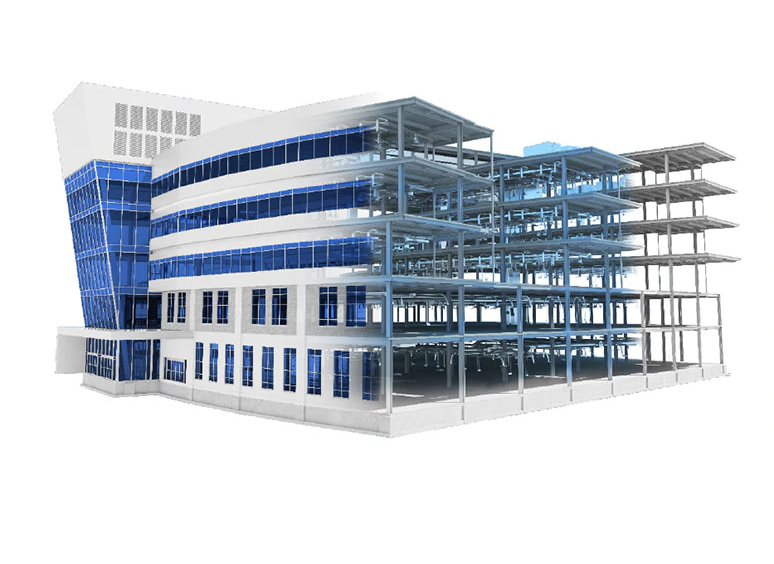
In the realm of modern construction and engineering, Building Information Modeling (BIM) has emerged as a transformative technology that revolutionizes how structural design, detailing, and documentation are executed. BIM offers a comprehensive digital representation of a building’s physical and functional characteristics, serving as a central hub for collaboration and information exchange throughout a project’s lifecycle. Within this framework, structural detailing and documentation play crucial roles, ensuring accuracy, efficiency, and seamless project delivery. Let’s delve into the significance of detailing and documentation within BIM structural models and how they contribute to successful construction projects. Understanding BIM and Its Role in Structural Modeling BIM is a sophisticated process that involves creating and managing digital representations of physical and functional characteristics of a building. It integrates various aspects of a construction project, including architectural, structural, mechanical, and electrical components, into a single coherent model. The structural aspect of BIM focuses on the design, analysis, and documentation of building structures, such as beams, columns, slabs, and foundations. In a BIM environment, structural models are not merely static representations but dynamic databases containing detailed information about every element. This information includes geometric properties, material specifications, connections, loads, and more. As a result, BIM facilitates a holistic view of the structure, enabling stakeholders to visualize, analyze, and optimize designs collaboratively. The Role of Detailing in BIM Structural Models Detailing in BIM refers to the process of creating precise, accurate, and comprehensive representations of structural elements within the digital model. This involves adding intricate geometric and non-geometric details to components like beams, columns, and connections. Detailing plays a pivotal role in ensuring constructability, clash detection, and accurate quantity take-offs. Constructability Detailed structural models aid in visualizing how different components come together in real-world scenarios. This allows for early identification and resolution of clashes or coordination issues before construction commences. Clash Detection BIM Structural Modeling Services facilitates clash detection by overlaying various building systems within the model. Detailed structural elements can be analyzed for clashes with architectural, mechanical, or electrical components, minimizing costly on-site interferences. Quantity Take-Offs Accurate detailing enables automated quantity take-offs, providing precise material estimations for cost planning and procurement purposes. Importance of Documentation in BIM Structural Models Documentation within BIM encompasses the creation of construction drawings, reports, schedules, and other deliverables derived from the digital model. It translates the rich information embedded in the model into accessible and actionable formats for construction teams. Construction Drawings BIM enables the generation of high-quality construction drawings directly from the model, ensuring consistency and accuracy across all documentation. BIM facilitates the automatic generation of schedules, including quantities, material specifications, and project timelines, streamlining project management and coordination. Data Extraction BIM databases can be queried to extract specific information for analysis or reporting, enhancing decision-making processes during construction. Advantages of Detailing and Documentation in BIM The integration of detailed modeling and comprehensive documentation within a BIM environment offers numerous benefits to construction projects: Enhanced Collaboration Stakeholders from different disciplines can collaborate seamlessly within a shared BIM model, fostering coordination and reducing errors. Automated detailing and documentation processes save time and reduce manual errors, leading to efficient project delivery. Accurate Quantification: Detailed models enable precise quantity take-offs, minimizing material wastage and optimizing procurement. Clash Avoidance: Early clash detection through detailed models helps prevent design conflicts and costly rework during construction. BIM models serve as valuable assets throughout a building’s lifecycle, aiding in maintenance, renovations, and facility management. Challenges and Future Trends Despite its myriad advantages, implementing BIM for structural detailing and documentation presents certain challenges. These include initial investment costs, training requirements, and interoperability issues between different software platforms. However, ongoing advancements in BIM technology, such as cloud collaboration, machine learning, and augmented reality, promise to overcome these challenges and further enhance the efficiency and accuracy of structural modeling. Conclusion Detailing and documentation within BIM structural models are indispensable processes that drive efficiency, accuracy, and collaboration in construction projects. By leveraging the power of BIM, project stakeholders can create, analyze, and communicate intricate structural information effectively, leading to streamlined workflows, reduced costs, and superior project outcomes. As BIM continues to evolve, its role in shaping the future of construction remains pivotal, emphasizing the importance of adopting this transformative technology in modern engineering practices.

Read More

BIM Structural Modeling Services Key Concepts and Benefits

In the realm of architecture, engineering, and construction (AEC), Building Information Modeling (BIM) has revolutionized the way projects are designed, constructed, and managed. BIM has particularly transformed structural engineering by enhancing collaboration, efficiency, and accuracy throughout the lifecycle of a building project. This blog will delve into the key concepts and benefits of BIM structural modeling services, shedding light on why BIM has become indispensable in modern construction practices. Understanding BIM Structural Modeling BIM structural modeling involves creating digital representations of a building’s structural systems within a 3D model. This detailed virtual model incorporates information about the physical and functional characteristics of building elements, such as beams, columns, slabs, and connections. Unlike traditional 2D drawings, BIM provides a comprehensive view of the structure, facilitating better analysis, coordination, and decision-making. Key Components of BIM Structural Modeling Geometry and Visualization BIM enables the creation of accurate 3D models of structural components, allowing stakeholders to visualize the building in detail before construction begins. BIM objects maintain relationships with one another, ensuring that any changes made to one part of the model are automatically updated throughout the entire model, reducing errors and inconsistencies. Data Integration BIM incorporates non-graphical information (such as material specifications, quantities, costs, and performance data) within the model, enabling more informed decision-making at every stage of the project. BIM fosters collaboration among architects, engineers, contractors, and other project stakeholders by providing a shared platform to work on a unified model. Benefits of BIM Structural Modeling Services The adoption of BIM structural modeling Services brings numerous benefits to construction projects, ultimately leading to improved efficiency, cost-effectiveness, and quality. Let’s explore some of the key advantages: Enhanced Visualization and Communication BIM enables stakeholders to visualize complex structural systems in a realistic 3D environment. This enhanced visualization improves communication among team members, clients, and stakeholders, leading to better-informed decisions and reducing misunderstandings. Improved Coordination and Clash Detection One of the standout advantages of BIM is its ability to detect clashes and conflicts within the structural design early in the process. By coordinating structural elements with architectural and MEP (Mechanical, Electrical, Plumbing) systems, clashes can be identified and resolved before construction, minimizing rework and cost overruns. Accurate Quantities and Cost Estimation BIM models contain detailed information about building components, enabling accurate quantity takeoffs and cost estimations. This level of detail enhances cost control and budget management throughout the project lifecycle. Structural Analysis and Performance Simulation BIM facilitates structural analysis and performance simulation, allowing engineers to evaluate different design options, assess structural integrity, and optimize performance. This capability leads to more robust and efficient structural designs. Improved Construction Sequencing and Planning With BIM, construction sequencing and planning become more streamlined and efficient. Contractors can visualize the construction process, identify potential site logistics issues, and optimize construction schedules, leading to reduced project duration and improved site safety. Lifecycle Management and Facility Operations BIM supports the integration of building information beyond construction, extending into facility management and operations. The rich data embedded in the BIM model can be leveraged for maintenance, renovations, and future expansions, enhancing the lifecycle management of the structure. Sustainability and Green Building Practices BIM facilitates sustainable design and green building practices by enabling analysis of energy performance, daylighting, and material efficiency. Designers can explore environmentally friendly options and optimize building performance over its lifetime. Conclusion BIM structural modeling services represent a paradigm shift in the AEC industry, offering advanced tools and methodologies to design, construct, and manage buildings efficiently and sustainably. The key concepts of BIM—geometry, parametric relationships, data integration, and collaboration—underpin its transformative benefits, including enhanced visualization, improved coordination, accurate cost estimation, structural analysis, lifecycle management, and support for green building practices.

Read More

TECH CONFERENCE 2021 LONDON

Interdum iusto pulvinar consequuntur augu s est odit mi quosliquid sempero ipsum dolor sit amet, cons ectetur adipiscing elit orto ulum non mollis woiur pokju solti metus.

HOME LAB OPEN STUDIOS

Interdum iusto pulvinar consequuntur augu s est odit mi quosliquid sempero ipsum dolor sit amet, cons ectetur adipiscing elit orto ulum non mollis woiur pokju solti metus.

SOCIAL MEDIA

Subscribe To Our Newsletter

Scroll to Top

Nullam quis risus eget urna mollis ornare vel eu leo. Aenean lacinia bibendum nulla sed 

Subscribe to get 15% discount