
BLOG

The only thing standing between you and your goal is the bullshit story you keep telling yourself as to why you can’t achieve it.

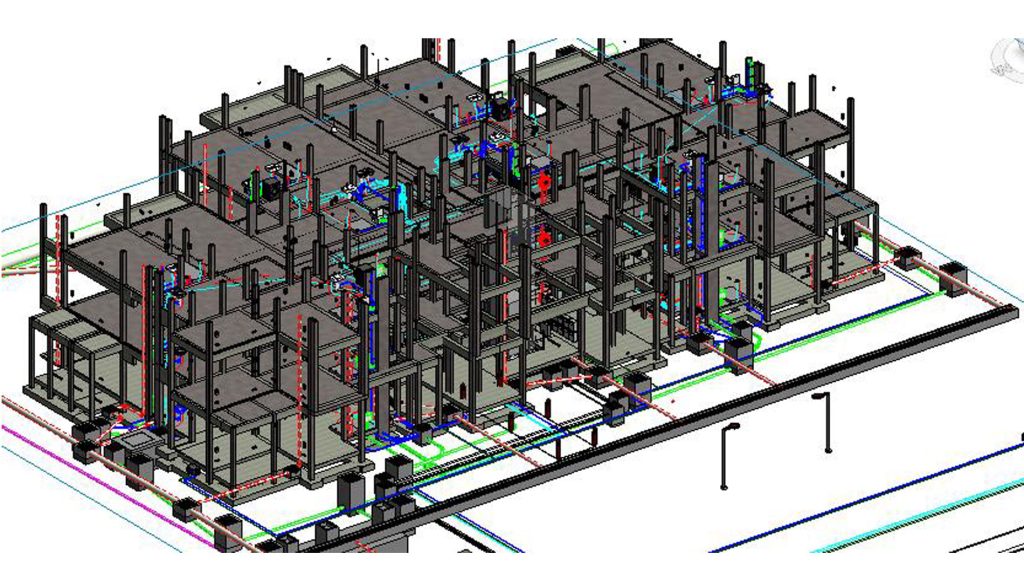
Role of Architectural Engineering Consultants in Modern Projects

In the contemporary landscape of construction and development, architectural consultants play a pivotal role in shaping the success and functionality of modern projects. These professionals, armed with a diverse skill set and specialized knowledge, contribute significantly to the planning, design, and execution of complex structures. Let’s delve into their multifaceted role and the impact they wield in today’s projects. Understanding Architectural Engineering Consultants Architectural engineering consultants are multidisciplinary experts who bridge the gap between architecture and engineering, merging creative design principles with technical expertise. Their comprehensive understanding of structural integrity, building systems, and innovative design concepts enables them to create efficient and aesthetically pleasing structures. Key Responsibilities and Contributions Integrated Design Approach: Architectural engineering consultants adopt an integrated design approach, collaborating closely with architects, engineers, and stakeholders. They ensure that the architectural vision aligns seamlessly with engineering principles, fostering synergy among various aspects of the project. Technical Expertise: Their expertise encompasses structural design, HVAC systems, building materials, sustainability, and energy efficiency. By leveraging advanced software and tools, they optimize designs for functionality, safety, and environmental impact. Innovation and Problem-Solving: Consultants are at the forefront of innovation, constantly seeking novel solutions for modern challenges. Their problem-solving skills come into play when addressing complex architectural requirements while ensuring compliance with regulations and codes. Sustainability and Green Building Practices: With a growing emphasis on sustainability, architectural consultants champion green building practices. They integrate environmentally friendly designs, renewable energy systems, and efficient materials, contributing to eco-friendly construction. Collaboration and Project Management Architectural consultants act as facilitators, fostering collaboration among diverse teams involved in a project. They manage communication channels, streamline workflows, and oversee project timelines and budgets. Their role in coordinating various disciplines ensures cohesive project execution. The Influence on Project Success The impact of architectural consultants on project success is profound. Their ability to harmonize architectural vision with engineering pragmatism ensures that the built environment meets both aesthetic and functional objectives. Their contributions enhance structural integrity, energy efficiency, occupant comfort, and overall project viability. Challenges and Evolving Trends In a rapidly evolving industry, architectural engineering consultants face challenges posed by technological advancements, changing regulations, and client demands. To adapt, they embrace digital tools, explore innovative materials, and stay updated with evolving building codes and sustainability standards. Technological Integration and Innovation Architectural engineering consultants are at the forefront of technological integration. They leverage Building Information Modeling (BIM), computational design tools, and simulation software to optimize designs and streamline project workflows. Embracing these technologies allows for accurate 3D modeling, clash detection, and performance simulations, resulting in more efficient and cost-effective designs. Furthermore, the adoption of augmented reality (AR) and virtual reality (VR) aids in visualizing designs, offering clients an immersive experience and facilitating informed decision-making throughout the design process. Sustainability and Environmental Considerations The commitment to sustainability is a defining trait of modern architectural engineering consultants. They prioritize environmentally conscious design principles, integrating renewable energy systems, passive design strategies, and efficient building materials. This dedication contributes to reducing the ecological footprint of buildings while enhancing energy efficiency and occupant comfort. Architectural engineering play a significant role in achieving green building certifications like LEED (Leadership in Energy and Environmental Design) or BREEAM (Building Research Establishment Environmental Assessment Method), demonstrating their commitment to sustainable design practices. Regulatory Compliance and Risk Mitigation Navigating through complex regulations and compliance standards is an integral part of the consultant’s role. They ensure that designs meet local building codes, zoning regulations, and safety standards. By staying updated with evolving regulations, they mitigate potential risks and liabilities, ensuring that projects adhere to legal requirements throughout the construction process. Client-Centric Approach and Effective Communication Successful projects hinge on effective communication and a client-centric approach. Architectural engineering excel in understanding client objectives, translating visions into feasible designs, and managing expectations. They engage in continuous dialogue with clients, ensuring that their aspirations align with practical and achievable design solutions. Continual Professional Development The evolving nature of the construction industry necessitates continual professional development among architectural engineering consultants. They engage in ongoing education, attend seminars, and pursue certifications to stay abreast of technological advancements, emerging trends, and best practices. This dedication to learning ensures their expertise remains cutting-edge and relevant. Global Impact and Cultural Sensitivity In a globalized world, architectural consultants often work on projects in diverse cultural settings. Their ability to adapt designs while respecting local cultures and traditions is crucial. Their sensitivity to regional aesthetics and functional requirements enables them to create designs that resonate with the local context while adhering to global design standards. Conclusion Architectural engineering consultants are indispensable assets in modern construction endeavors. ENGISOFT ENGINEERING — BIM Staffing & BIM Services Their holistic approach, technical acumen, and commitment to innovation drive the successful realization of architectural visions. As the industry continues to evolve, their role remains crucial in shaping sustainable, functional, and aesthetically pleasing built environments. In essence, the impact of architectural engineering extends far beyond the structures they design; it resonates in the efficiency, sustainability, and overall success of modern projects.

Read More

Performance in Architecture Engineering and Consulting Services

In the dynamic world of architecture and engineering, the pursuit of excellence is a multifaceted endeavor. It’s not just about constructing buildings; it’s a blend of art, science, and strategic consultation that shapes our environment. In this blog, we delve into the nuanced interplay of performance within architectural engineering consultant services. Evolution of Architectural and Engineering Performance Architecture and engineering have evolved hand-in-hand, continuously pushing the boundaries of design and functionality. From the awe-inspiring wonders of ancient civilizations to the sleek, sustainable structures of today, the evolution is a testament to human innovation. Performance in architecture transcends aesthetics. It’s about creating spaces that harmonize with their surroundings while optimizing energy efficiency and structural integrity. Engineering, on the other hand, delves into the technical aspects, ensuring that designs are not only visionary but also feasible, safe, and durable. The Role of Consulting Services Consulting services act as the bridge between visionary design and practical implementation. They encompass a diverse range of expertise, from project management to sustainability, offering insights that blend creativity with feasibility. In the architectural engineering consultant play a pivotal role in conceptualizing and refining designs, often bringing forth innovative solutions that optimize space, function, and sustainability. Engineering consultants, on the other hand, ensure that these visions are practically executable, navigating complexities in structural design, materials, and technology. Performance Metrics in Architecture and Engineering Performance metrics in this realm are multifaceted. In architecture, performance often involves aesthetic appeal, user experience, sustainability, and adaptability. From LEED certification to energy-efficient designs, buildings are increasingly evaluated based on their environmental impact and ability to support occupants’ well-being. In engineering, performance metrics are deeply rooted in precision and functionality. Advanced software and technology aid engineers in simulating structural behavior, optimizing designs for safety, durability, and cost-effectiveness. Embracing Innovation and Technology The landscape of architecture and engineering is continually reshaped by technological advancements. From Building Information Modeling (BIM) to parametric design tools, technology catalyzes innovation. It allows architects and engineers to collaborate seamlessly, facilitating more efficient workflows and better-informed decisions. Balancing Creativity and Practicality One of the inherent challenges in this field is striking a balance between creativity and practicality. Architects often envision groundbreaking designs, while engineers navigate the complexities of bringing these visions to life. Consultants act as mediators, ensuring that creativity aligns with real-world feasibility. Holistic Integration and Collaboration The most successful projects often stem from seamless collaboration between architects, engineers, and consultants. This integration of expertise from various domains fosters innovation and ensures that projects are conceived and executed with a holistic perspective. Architects bring forth the visionary concepts, imagining spaces that inspire and uplift. Engineers provide the technical prowess, ensuring structural integrity and functionality. Consultants, with their specialized knowledge, guide the project towards efficiency, sustainability, and compliance with regulations. Addressing Challenges through Adaptive Solutions In the ever-evolving landscape of construction and design, challenges are inevitable. Whether it’s budget constraints, environmental concerns, or regulatory changes, these challenges demand adaptive solutions. Consulting services, with their diverse skill sets and experiences, offer invaluable insights to navigate these hurdles. They analyze risks, propose alternatives, and devise strategies to overcome obstacles without compromising the essence of the design or the structural integrity. Client-Centric Approaches Client satisfaction stands at the core of architectural engineering consultant services. Understanding and aligning with the client’s vision, needs, and objectives is paramount. Consultants act as facilitators, translating these aspirations into feasible plans and ensuring that the final product exceeds expectations. Embracing Cultural and Social Dynamics Architecture and engineering don’t exist in isolation; they interact with cultural, social, and economic contexts. Consultants factor in these dynamics, incorporating cultural influences, societal needs, and economic viability into the project’s framework. This inclusive approach results in designs that resonate with the community they serve. Continuous Learning and Adaptation The pursuit of excellence in this field is a continuous journey. Architects, engineers, and consultants engage in ongoing learning, staying abreast of the latest trends, technologies, and sustainable practices. This dedication to learning ensures that their expertise remains cutting-edge, enabling them to offer innovative and future-ready solutions. Ethical and Responsible Practices Ethics and responsibility form the cornerstone of architectural engineering consultant services. Upholding ethical standards, adhering to safety regulations, and advocating for sustainable practices are fundamental. Consultants play a pivotal role in guiding projects to align with these ethical principles while optimizing performance. Conclusion The synergy of performance in architectural engineering consultant services is a tapestry woven from creativity, technology, sustainability, and practicality. ENGISOFT ENGINEERING – BIM Staffing & BIM Services It’s a realm where each element complements the other, shaping our world while embracing the challenges and opportunities. As we look ahead, the convergence of these disciplines will continue to define the future of our built environment. Augmented reality, artificial intelligence, and sustainable practices will drive innovation. Consulting services will evolve to become more integral, providing holistic solutions that integrate diverse perspectives and expertise  

Read More

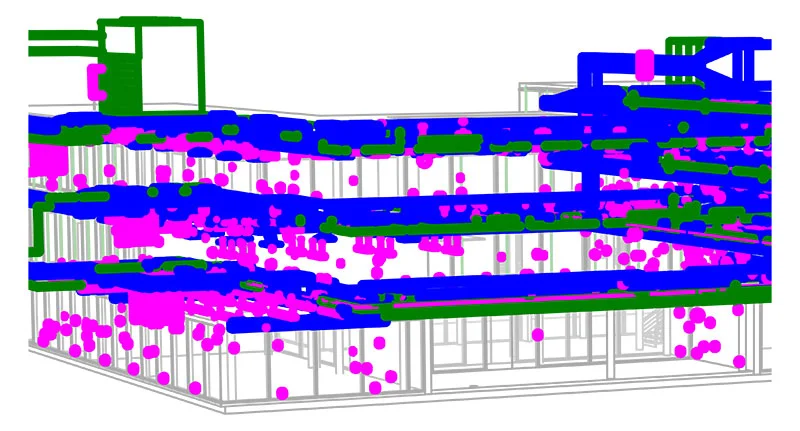
The Impact of MEP BIM Services in Dubai

In the dynamic realm of construction and engineering, the integration of Building Information Modeling (BIM) with Mechanical, Electrical, and Plumbing (MEP) services has emerged as a game-changer. This synergy, often referred to as MEP BIM services, represents a paradigm shift in the way buildings are conceptualized, designed, and constructed. In this exploration, we delve into the profound impact of MEP Services on the construction industry. Understanding MEP BIM Solutions MEP Services Overview: MEP BIM Services encompass the planning, design, and implementation of Mechanical, Electrical, and Plumbing systems in a building. These systems are critical for ensuring the functionality, safety, and efficiency of the constructed environment. Building Information Modeling (BIM) Overview: BIM is a collaborative process that utilizes a 3D model to visualize and manage the various elements of a building project. It goes beyond traditional 2D drawings, allowing stakeholders to create a comprehensive digital representation of a structure. Synergy of MEP and BIM: MEP Services involve the integration of MEP systems into a centralized BIM model. This collaboration enhances coordination, minimizes conflicts, and streamlines the entire construction process. The Advantages of MEP BIM Service Enhanced Coordination and Collaboration: MEP BIM facilitates improved collaboration among architects, engineers, and contractors. It provides a centralized platform where all stakeholders can contribute to and access real-time project data. This level of coordination minimizes errors, reduces rework, and ensures a seamless workflow. Clash Detection and Conflict Resolution: One of the significant advantages of MEP Services is clash detection. The system identifies potential clashes between different building components early in the design phase, enabling proactive conflict resolution before construction commences. This not only saves time but also prevents costly on-site modifications. Improved Visualization and Communication: BIM models offer a visual representation of MEP systems, allowing stakeholders to better understand the intricate details of the design. This enhanced visualization aids communication among team members, clients, and other project stakeholders, fostering a more transparent and efficient decision-making process. Cost and Time Efficiency: By identifying clashes and conflicts in the virtual environment, MEP BIM service contribute to significant cost and time savings. The early detection of issues prevents delays and reduces the need for extensive modifications during construction. This efficiency is particularly crucial in large-scale projects. Implementation Stages of MEP BIM Services Preliminary Planning: In the initial stages, project teams collaborate to establish the scope, goals, and requirements of the MEP systems. BIM facilitates the creation of a digital model that serves as a reference throughout the project lifecycle. 3D Modeling: Detailed 3D models of MEP systems are created, incorporating all relevant data such as dimensions, specifications, and performance parameters. This step allows stakeholders to visualize the design and make informed decisions. Clash Detection and Resolution: Using BIM, potential clashes are identified and resolved early in the design phase. This proactive approach minimizes the likelihood of conflicts during construction, optimizing project timelines. Construction Documentation: MEP BIM service contribute to the generation of precise construction documentation. This includes detailed drawings, specifications, and other documentation necessary for the actual construction phase. Operation and Maintenance: The benefits of MEP BIM extend beyond construction. The comprehensive model generated during the process becomes a valuable asset for facility management, aiding in the efficient operation and maintenance of MEP systems throughout the building’s lifecycle. Real-World Applications and Case Studies Iconic Skyscrapers: Several iconic skyscrapers around the world have benefitted from MEP BIM service. The Burj Khalifa in Dubai and the Shard in London are prime examples where the integration of MEP BIM played a crucial role in optimizing construction processes and ensuring the efficiency of complex building systems. Healthcare Facilities: In the construction of healthcare facilities, where precision and functionality are paramount, MEP BIM service have proven invaluable. The Cleveland Clinic Abu Dhabi is an exemplar, showcasing how BIM facilitates the coordination of intricate MEP systems in a healthcare setting. Sustainable Construction: Green building projects, aiming for sustainability and energy efficiency, leverage MEP BIM service to optimize HVAC systems, lighting, and water usage. The Edge in Amsterdam stands as a testament to how BIM supports the integration of sustainable MEP systems in a cutting-edge design. Challenges and Future Trends in MEP BIM Services Challenges: Despite the benefits, challenges in implementing MEP BIM solutions include the initial investment in technology, the need for comprehensive training, and the requirement for collaboration among diverse stakeholders. Addressing these challenges is crucial for the widespread adoption of this transformative approach.The future of MEP BIM service holds exciting possibilities. Advancements in artificial intelligence, machine learning, and augmented reality are expected to further enhance the capabilities of BIM, making the coordination of MEP systems even more efficient and predictive. Conclusion MEP BIM services represent a transformative force in the construction industry, seamlessly marrying the precision of MEP systems with the collaborative power of BIM. The synergy not only optimizes construction processes but also contributes to more sustainable, efficient, and cost-effective building solutions. As ENGISOFT ENGINEERING — BIM Staffing & BIM Services industry continues to evolve, embracing technological advancements and innovative approaches, MEP BIM services stand at the forefront of this revolution. They are not just tools; they are enablers of a new era in construction, where precision and progress go hand in hand, shaping the skylines of the future.  

Read More

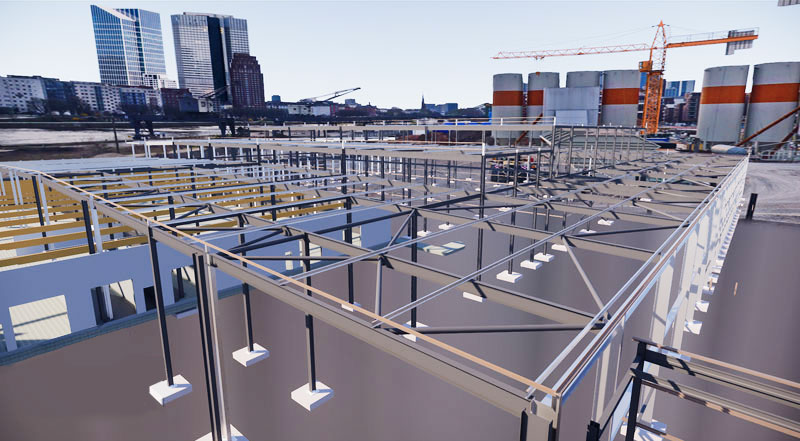
Benefits of Structural BIM Services in Constructions

In the ever-evolving landscape of construction, technology continues to play a pivotal role in reshaping traditional methodologies. Building Information Modeling (BIM) has emerged as a transformative force, particularly in the field of structural engineering. This article explores the myriad benefits that Structural BIM services bring to the construction industry, ushering in a new era of efficiency, accuracy, and collaboration. Enhanced Visualization and Communication Structural BIM services provide a three-dimensional representation of a building’s structure, offering stakeholders a clear and comprehensive visualization. This visual clarity facilitates effective communication among architects, engineers, contractors, and other project participants. The ability to view and understand the structural elements in a 3D environment minimizes misinterpretations and ensures that everyone is on the same page, fostering collaboration from the conceptual stage to construction. Improved Coordination and Clash Detection One of the primary advantages of Structural BIM service is the ability to detect clashes or conflicts in the design early in the process. This is especially crucial in structural engineering, where coordination with other building systems is intricate. BIM models allow for the integration of structural elements with MEP (Mechanical, Electrical, and Plumbing) systems, reducing the likelihood of clashes during construction. Early clash detection translates to fewer errors, reduced rework, and overall cost savings. Accuracy in Design and Analysis Structural BIM Solutions enable precise design and analysis of building structures. Engineers can model complex structural components with accuracy, considering factors such as loads, stresses, and material properties. This level of detail ensures that the structural design meets safety standards and performance requirements. Additionally, BIM facilitates the analysis of different design scenarios, allowing engineers to optimize structural efficiency and performance. Streamlined Construction Workflow The integration of Structural BIM services streamlines the entire construction workflow. From initial design and documentation to construction and facility management, BIM models serve as a central repository of information. This cohesive approach reduces redundancies, minimizes errors, and enhances overall project efficiency. The streamlined workflow contributes to timely project delivery and improved collaboration among project stakeholders. Cost and Time Savings Structural BIM Solutions contribute significantly to cost and time savings throughout the construction lifecycle. The ability to detect clashes early on minimizes the need for costly rework. Precise design and analysis reduce material wastage and construction delays. The efficient collaboration and coordination facilitated by BIM result in faster decision-making processes. Collectively, these factors contribute to a more cost-effective and time-efficient construction project. Sustainable Design Integration In an era where sustainability is a key consideration in construction, Structural Services play a crucial role in integrating sustainable design principles. BIM models allow engineers to assess the environmental impact of structural decisions, optimize energy performance, and explore eco-friendly material options. This integration of sustainability into the structural design process aligns with the growing emphasis on green and environmentally conscious construction practices. Lifecycle Management and Maintenance Structural BIM models serve as valuable assets beyond the construction phase. They contain comprehensive information about the structural elements, including specifications, materials, and maintenance requirements. This data becomes instrumental in the ongoing lifecycle management of the structure. Facility managers can use BIM models for effective maintenance planning, ensuring the long-term durability and performance of the building. Decision Support with Structural BIM services Structural Services provide a platform for thorough risk analysis and decision support. Engineers can simulate various scenarios, assess potential risks, and make informed decisions based on the analysis. This proactive approach to risk mitigation reduces uncertainties during construction, enhances safety, and contributes to the overall success of the project. Regulatory Compliance and Documentation Meeting regulatory compliance is a critical aspect of construction projects. Structural BIM services assist in ensuring that the structural design adheres to local building codes and standards. Additionally, BIM models serve as comprehensive documentation, providing a detailed record of the structural design and its compliance with regulations. This documentation is invaluable for audits, inspections, and future reference. Increased Stakeholder Confidence The use of Structural BIM service instills confidence among project stakeholders. Owners, investors, and regulatory authorities can rely on the accuracy and transparency offered by BIM models. The enhanced visualization, coordination, and documentation contribute to a higher level of trust in the project’s structural integrity and overall success. Conclusion In conclusion, the benefits of Structural BIM services in construction are multifaceted, ranging from enhanced visualization and coordination to cost savings and sustainable design integration. ENGISOFT ENGINEERING — BIM Staffing & BIM Services the construction industry continues to embrace technological advancements, Structural BIM stands as a cornerstone for efficient, accurate, and collaborative structural engineering. The adoption of BIM services not only reshapes the way structures are designed and built but also sets a new standard for excellence in the dynamic and evolving field of construction engineering.  

Read More

Mastering Quality Control BIM Model Audit Fundamentals

In the realm of construction and design, Building Information Modeling (BIM) has emerged as a pivotal tool for streamlining processes, enhancing collaboration, and ensuring precision. However, ensuring the accuracy, compliance, and integrity of BIM models necessitates a crucial step: BIM model audits. Let’s delve into the fundamental aspects that underpin these audits and their significance in ensuring quality control within the construction industry. Understanding BIM Model Audits BIM model audits are systematic examinations conducted to assess the accuracy, consistency, compliance, and overall quality of BIM models. These audits scrutinize various elements within the models, including geometry, metadata, information completeness, adherence to standards, and compatibility with project requirements. Role and Importance of BIM Model Audits The primary objective of BIM audits is to ensure that the digital representation of a building or infrastructure project aligns with real-world specifications and meets predetermined standards. They play a pivotal role in quality control, minimizing errors, ensuring compliance with regulatory standards, and validating the reliability of the information embedded within BIM models. Auditing Processes and Methodologies BIM audits follow structured processes and methodologies tailored to assess different aspects of the model. These processes involve comprehensive reviews, cross-referencing against project requirements, standards compliance checks, clash detection analyses, and verification of data accuracy, among other criteria. Through meticulous examination, auditors identify discrepancies and inconsistencies, enabling corrective measures to be implemented. Compliance and Standard Adherence Adherence to industry standards and project-specific requirements is a cornerstone of BIM model audits. Auditors ensure that BIM models comply with established standards such as ISO 19650, the National BIM Standards, and discipline-specific guidelines. Verification of compliance ensures uniformity and interoperability and facilitates seamless collaboration among project stakeholders. Data Integrity and Accuracy The accuracy and integrity of the data in the BIM audit are of paramount importance. Audits meticulously scrutinize data inputs, ensuring that information such as dimensions, material specifications, quantities, and performance data are accurate, up-to-date, and consistent across the model. Any discrepancies are flagged for rectification to maintain data integrity. Collaboration and Communication The BIM model fosters collaboration and communication among multidisciplinary teams. Auditors engage with architects, engineers, designers, and other stakeholders, facilitating discussions on audit findings, recommendations, and corrective actions. This collaborative approach ensures alignment with project goals and enhances overall project understanding among team members. Continuous Improvement and Lessons Learned A fundamental aspect of BIM audits is their contribution to continuous improvement. Audit findings provide valuable insights and lessons learned, informing best practices and standard operating procedures and enhancing future modeling processes. The iterative nature of audits promotes a culture of learning and refinement within organizations. Risk Mitigation and Project Efficiency Beyond ensuring quality, BIM model audits serve as effective risk mitigation measures. By identifying and rectifying discrepancies early in the design phase, audits mitigate the likelihood of errors during the construction phase, minimizing costly rework and delays. This proactive approach contributes to project efficiency and cost effectiveness. Technology and Automation in Auditing Technological advancements have augmented BIM audit through automation and advanced software solutions. AI-driven algorithms, machine learning, and automated rule-based checks enhance audit efficiency, enabling rapid analysis of complex BIM data and facilitating real-time identification of discrepancies. Advancements in BIM Model Auditing Tools The landscape of BIM auditing is witnessing advancements in auditing tools and software. These tools leverage machine learning algorithms, advanced analytics, and automated validation processes to conduct in-depth audits. They facilitate the identification of anomalies, perform complex clash detections, and enable rapid data analysis across multidimensional BIM models. Such advancements expedite the audit process while enhancing accuracy and efficiency. Enhanced Clash Detection and Resolution Clash detection is a critical component of BIM audits, ensuring that various building elements—such as structural, architectural, mechanical, electrical, and plumbing systems—fit seamlessly without interference. Advanced auditing tools utilize clash detection algorithms to identify potential clashes or inconsistencies in the model. Furthermore, they offer visualization aids and intuitive interfaces that simplify the resolution process, enabling swift and precise clash resolution strategies. Integrating Data Analytics and Visualization Data analytics and visualization capabilities within auditing tools are pivotal in understanding and interpreting BIM model complexities. These tools offer robust data visualization features, presenting audit findings in comprehensible dashboards, graphical representations, and interactive reports. Such visualizations aid stakeholders in grasping complex audit results, facilitating informed decision-making, and targeting corrective actions. Compliance and Regulatory Checks With an ever-evolving regulatory landscape, BIM model audit play a crucial role in ensuring compliance with evolving standards and regulations. Auditing tools are equipped with modules that track changes in regulations and standards, automatically conducting checks to ensure ongoing compliance. This proactive approach minimizes the risk of non-compliance, offering peace of mind to project stakeholders. Role in Risk Mitigation and Project Management The significance of BIM audits for risk mitigation cannot be overstated. By proactively identifying discrepancies and potential risks during the design phase, audits mitigate the likelihood of errors translating into costly issues during construction. Moreover, audits contribute to more effective project management by providing insights into resource allocation, schedule adherence, and project planning based on audit findings. Continuous Learning and Adaptation The evolving nature of construction practices necessitates continuous learning and adaptation within BIM audits. Auditors and project teams engage in ongoing training programs, learning from past audit findings and industry trends. This culture of continuous improvement ensures that auditing processes remain agile and adaptive to the changing needs of the construction industry. Future Implications and Industry Adoption Looking ahead, the future implications of BIM audits are vast. The increasing adoption of BIM and the sophistication of auditing tools indicate a trajectory toward more sophisticated, AI-driven auditing solutions. These advancements will pave the way for real-time audits, predictive analytics, and enhanced collaboration among project stakeholders, setting new standards for quality control and efficiency. Conclusion BIM model audits are indispensable in ensuring quality, compliance, and efficiency in construction projects. ENGISOFT ENGINEERING – BIM Staffing & BIM Services their role in assessing model accuracy, ensuring standards adherence, validating data integrity, and fostering collaboration contributes significantly to project success. As technology evolves, BIM audits will continue to evolve, driving

Read More

TECH CONFERENCE 2021 LONDON

Interdum iusto pulvinar consequuntur augu s est odit mi quosliquid sempero ipsum dolor sit amet, cons ectetur adipiscing elit orto ulum non mollis woiur pokju solti metus.

HOME LAB OPEN STUDIOS

Interdum iusto pulvinar consequuntur augu s est odit mi quosliquid sempero ipsum dolor sit amet, cons ectetur adipiscing elit orto ulum non mollis woiur pokju solti metus.

SOCIAL MEDIA

Subscribe To Our Newsletter

Scroll to Top

Nullam quis risus eget urna mollis ornare vel eu leo. Aenean lacinia bibendum nulla sed 

Subscribe to get 15% discount